






 Portuguese
  Spanish
  2 min of reading
  0 comments


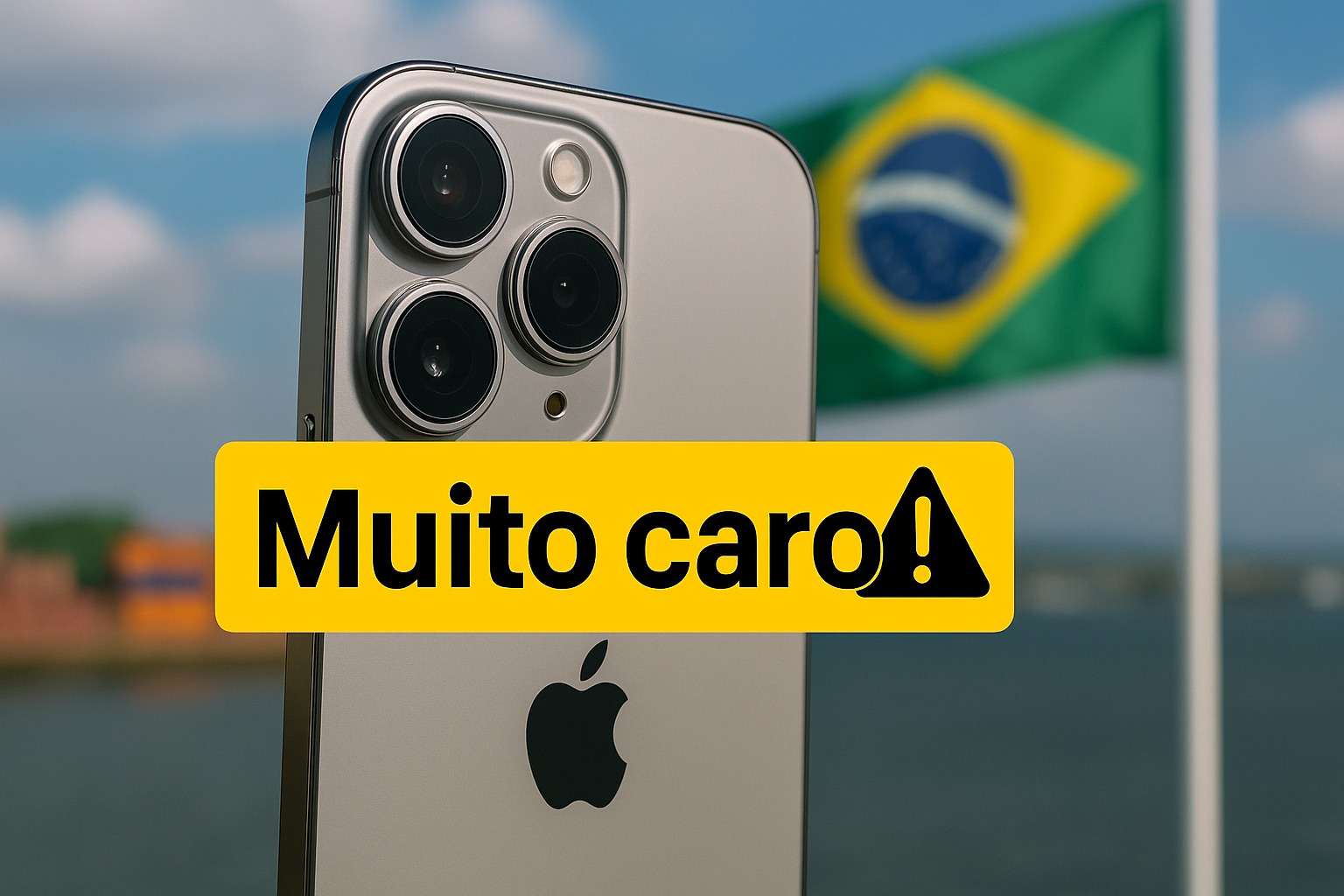
Difference Between Prices Makes The iPhone 17 A Luxury Item In Brazil, Where It Costs Almost Twice The Price Practiced In The USA.
The newly launched iPhone 17 arrives in the Brazilian market as one of the most expensive in the world. The 256 GB version will be sold for R$ 7,999, an amount equivalent to about US$ 1,472 at the exchange rate of R$ 5.43. This price is 85.4% higher than in the United States, where the same model costs US$ 799.
The disparity places Brazil behind only Turkey in the global ranking of device prices, turning the Apple smartphone into a luxury product for most of the population.
Global Difference Exceeds 70%
An international survey compared prices practiced in various countries.
-
Helicopter Drops 180 Tons of Sand and Gravel on Swedish River to Revive Ecosystem Damaged by Decades of Exploitation

-
Brazilian Company Launches Retro Smartphone with 48 MP Camera, T9 Keyboard, and Privacy Features for Social Media-Free Use

-
Self-Taught Chinese Farmer Builds 5-Ton Submarine from Scrap, Launches It in Anhui River
-
Invisible Induction Technology Enables Wireless Power for Blenders, Coffee Makers, and Air Fryers, Reducing Countertop Cables



Besides Brazil, only markets like France (US$ 1,134), Mexico (US$ 1,074), the United Kingdom (US$ 1,081), and New Zealand (US$ 1,007) exceed the thousand-dollar barrier.
On the opposite ends are the Asian countries. Japan (US$ 881), China (US$ 842), South Korea (US$ 930), and India (US$ 940) show significantly lower prices. The difference between the price charged in Brazil and the one practiced in Japan, for example, exceeds 67%.
Taxes And “Apple Dollar” Explain The High Price
Experts attribute the high prices in Brazil to the combination of high tax burden and Apple’s pricing policy, known as the “Apple Dollar.”
The company adopts a exchange rate that usually exceeds R$ 10 per dollar, further increasing the final price to the consumer.
Moreover, logistical costs and reseller margins contribute to the increase, making new devices a high-impact decision in personal budgets.
Despite The Price, Demand Remains High
Even with such high prices, iPhones remain among the most desired smartphones in the country. Many consumers resort to long installments or wait for retail promotions to make the purchase feasible.
For those planning to travel, buying the device in countries like the United States, Japan, or China can represent a savings of over R$ 3,000, even considering import taxes.
This makes acquiring the model abroad seen as a more advantageous and financially rational alternative for Brazilians.





Be the first to react!