






 Portuguese
  Spanish
 3 min of reading
  0 comments


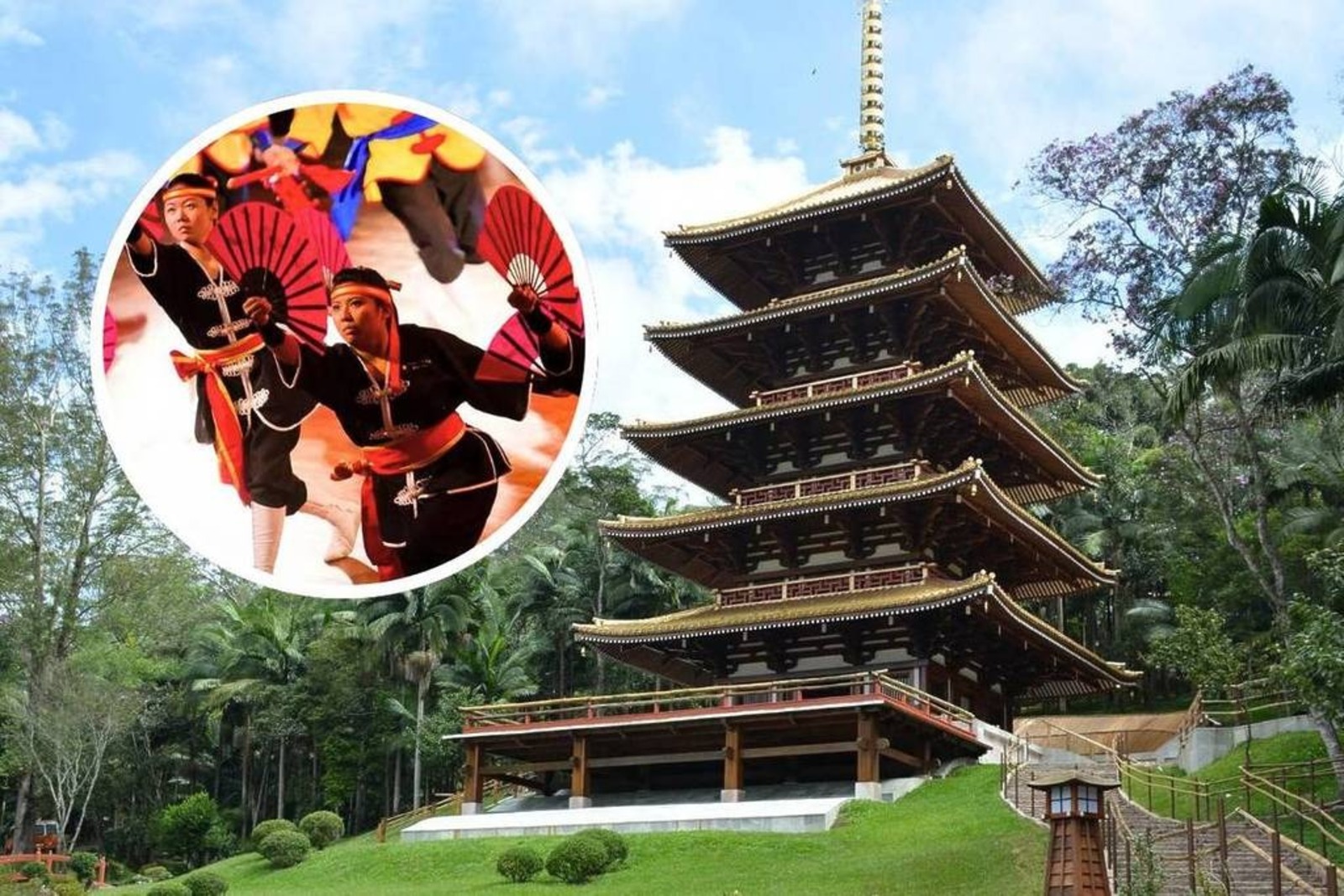
Reopened Only During Specific Periods, The Largest Japanese Tower in Brazil Can Be Visited by Boat at Billings Reservoir, Near the Capital, Providing Contemplation, Silence, and an Uncommon Experience
Good news for those living in Greater São Paulo and looking for an unusual outing. The Miroku Tower is once again welcoming visitors, and as this happens only during specific times of the year, the reopening draws the attention of those waiting for this rare opportunity.
A Different Outing by the Banks of Billings
Considered the largest Japanese tower in Brazil, the Miroku Tower is located by the shores of Billings Reservoir in Ribeirão Pires.
Access to the site is only permitted during high water periods, which makes the visit an exclusive experience, impossible to be done on just any date.
-
The War of Jenkins’ Ear: How a Severed Ear Sparked One of the 18th Century’s Most Unusual Conflicts

-
The True Story of Beavers Parachuted into Idaho: A Post-WWII Mission Using Planes and Special Crates to Relocate 76 Animals to a Remote U.S. Region
-
Trailblazing Brazilian Mother of Three Becomes First Woman to Drive BYD Electric Truck, Inspiring Her Daughter to Follow Suit

-
6-Year-Old Boy Finds 1,000-Year-Old Viking Sword During School Activity in Norway


The silent surroundings and landscape enhance the feeling of pause amid urban routine.
The structure is part of the Luz do Oriente Temple complex, situated just 30 kilometers from downtown São Paulo.
Even so close to the urban center, the space invites contemplation and relaxation, offering an unexpected refuge in the heart of the metropolitan area.

Origin and Meaning of the Miroku Tower
The Luz do Oriente Temple was established in 1973, envisioned by Reverend Minoru Nakahashi of the World Messianic Church.
Despite the name, the religion is not part of Christianity. The belief originated in Japan in 1935 and centers around Meishu-Sama, known as the “Lord of Light.”
Inspired by the tower of Horyu-ji Temple, a Japanese Buddhist complex from the year 607, the Miroku Tower stands 32 meters tall with five overlapping roofs.
Each level represents parts of the sacred body and symbolizes the connection between the divine and humanity. The construction followed the traditional Japanese technique of wooden joinery, without the use of nails.
Inside, there is a prominent golden sculpture of Hinode Kannon, eight meters tall. Surrounding it are koi ponds and gardens that reinforce the sense of being in Japan.
Visitation and Access to the Site
With the rising water level of Billings Reservoir, the temple has reopened to visitors. Access is exclusively by boat, with prior scheduling through the agency Tama Turismo, as informed by the agency itself.
The cost is R$ 56 per person, with exemption for children up to five years old.
Departures occur on weekends and holidays at 9:30 AM, 10:10 AM, 10:50 AM, 11:30 AM, 12:30 PM, and 1 PM. Boarding takes place at Tahiti Náutica Club, located at Avenida Palmira, 450, in Ribeirão Pires.
To get there, it is possible to use Line 10-Turquoise to Ribeirão Pires-Antônio Bespalec Station and then take an app taxi for about seven kilometers.
These details help plan the visit and better understand the context of the outing.
With information from São Paulo Secreto.





-

-

-

5 people reacted to this.