






 3 min of reading
  0 comments


Henrik Refsnes Mørtvedt found the weapon during a school hike in Brandbu, Norway. Initially dated between 550 and 850 AD, the blade was taken to the Museum of Cultural History in Oslo and may have belonged to a free landowner, prominent warrior, or military advisor.
A Viking sword over a thousand years old was found by Henrik Refsnes Mørtvedt, aged 6, during a school activity in a field in Brandbu, in the municipality of Gran, southeastern Norway. The boy was supposed to collect stones for an art project.
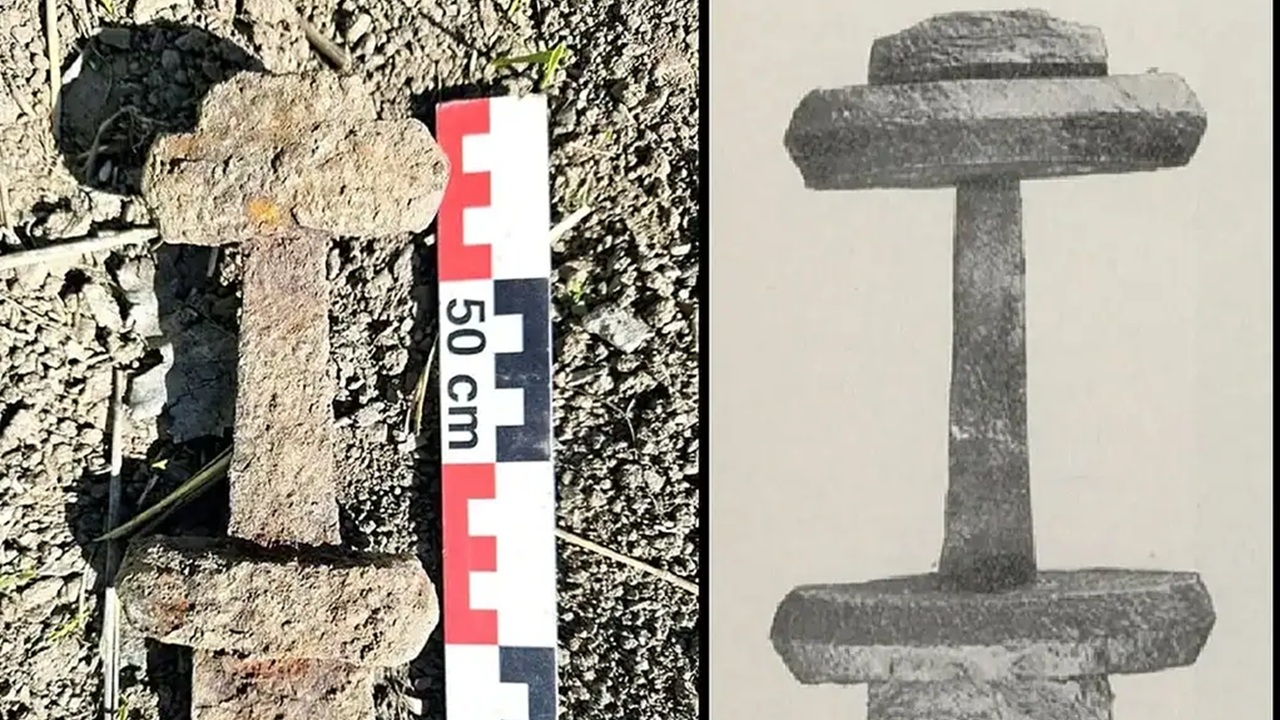
At the end of April, Henrik was walking with first-year classmates from Fredheim School when he noticed a rusty piece of metal protruding from the ground. He pulled the object, initially mistaken for scrap, and revealed an ancient blade, covered in soil and corrosion.
The teachers recognized that the discovery could have archaeological significance and contacted local experts. The piece was identified as an exceptionally well-preserved iron weapon, probably produced at the end of the Merovingian period or the beginning of the Viking Age.
-
Mother Who Orchestrated Her Daughter’s Genius Education Enters History After Crime That Still Mystifies Spain

-
Brazil to Allocate 3% of Affordable Housing Program in 38 Cities for Homeless, Paving Way for First Property Transfers to Formerly Unhoused Residents

-
Man Builds Handcrafted Wooden Cabin in Canadian Forest Using Only Trees and No Construction Crew
-
Maria Marli, a 15-Year Veteran Bricklayer, Helps Build Bahia’s Tallest Building and Realizes Her Own Dreams




Viking sword has only one sharp edge
The blade has only one cutting edge. Norwegian cultural heritage authorities classified the object as an “enegget” sword, part of a family of Northern European weapons known as scramasaxes, or saxes.
These blades evolved from smaller knives used in combat and hunting. At the beginning of the Viking Age, longer versions became powerful weapons and also symbols of social status among warriors and free landowners.
Henrik even tried to straighten the piece before the adults intervened. He explained that he feared a tractor might run over the metal and puncture a tire. He also believed that the find should be taken to a museum.
Dating will still be refined by specialists
The estimates presented by the authorities are not identical. Officials from Innlandet placed the sword between approximately 550 and 800 AD. Archaeologist Øystein Lia later assessed that the manufacturing would have occurred in Norway between 750 and 850.

Lia considers it likely that the weapon belonged to someone of high status, possibly a man, a free landowner, and an important warrior. He could also have served as a military advisor to a local Viking chief.
The weapon belongs to a phase marked by the expansion of trade, maritime voyages, raids, and power struggles, close to the Viking attack on Lindisfarne, recorded in 793 AD.
This hypothesis remains provisional. The sword was sent to the Museum of Cultural History in Oslo, where conservators will remove the corrosion and stabilize the iron without eliminating traces that could reveal how the weapon was produced, used, and abandoned.
Proximity to tombs increases the importance of the find
The discovery point is about 40 meters away from already recorded Iron Age tombs. The proximity raises the possibility that the sword was part of a burial and was deposited as a funerary offering.
Swords were expensive objects in Viking and pre-Viking societies. Their manufacture required specialized blacksmiths and valuable materials. Burying one of these weapons meant removing wealth from circulation and associating it with a person whose prestige justified this gesture.
The find occurs during a period of other significant discoveries in Innlandet. In April, two detectorists located 19 silver coins in Rena. Subsequent excavations revealed more than 4,700 coins, forming the largest Viking Age treasure found in Norway.
Henrik initially imagined that the blade was about 100 years old. Conservation and studies should clarify its age, origin, and context. The Viking sword, however, already offers researchers a rare opportunity to investigate weapons, hierarchies, and funerary practices from more than a millennium ago.
What catches your attention most in this discovery: the age of the sword, the fact that it was found by a child during a school activity, or the possibility of it being linked to an ancient burial? Share your opinion and say which aspects of this story should be investigated by archaeologists.
With information from ZM.






Be the first to react!