






 Portuguese
  Spanish


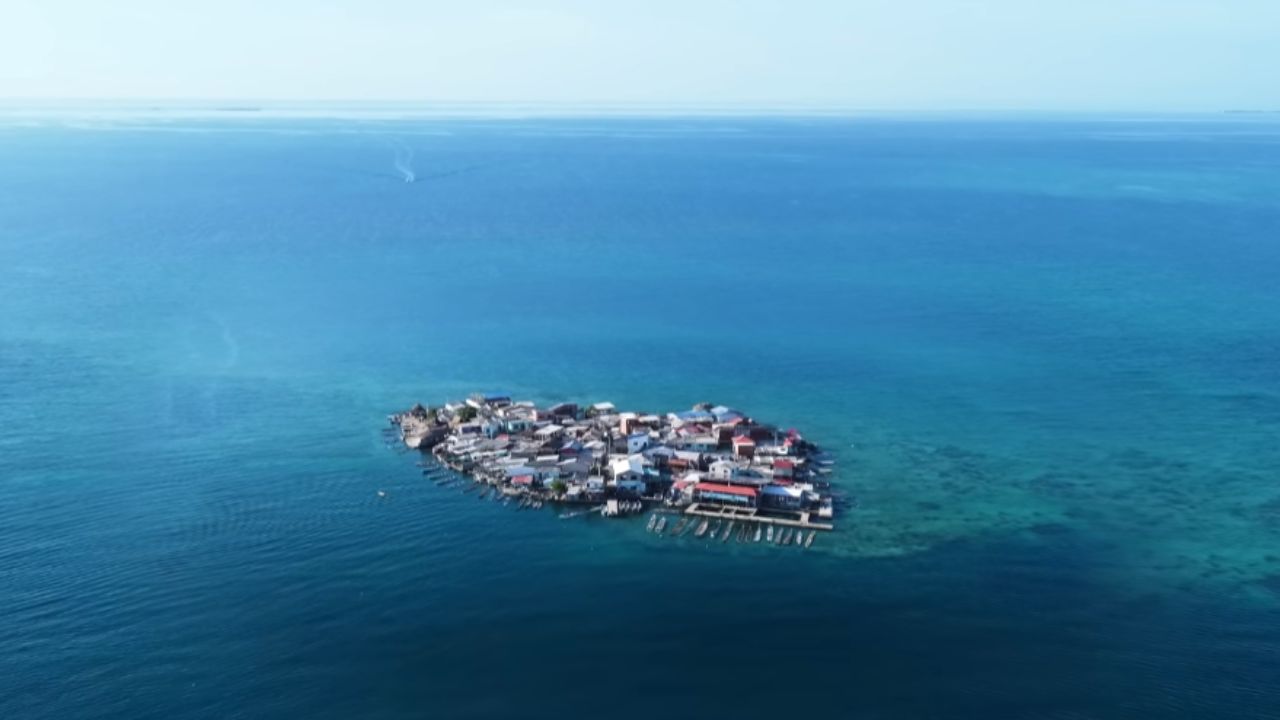


In Santa Cruz del Islote, The Most Crowded Island In The World Located In Colombia, Extreme Population Density Aggravates The Daily Crisis Of Water And Space Shortages.
Imagine living where silence does not exist. This is the reality in Santa Cruz del Islote, an artificial islet that holds the title of most crowded island in the world. With an area of just 1% of a square kilometer, the place is home to 816 people. This concentration creates a population density ten times greater than that of Hong Kong. Located on the coast of Colombia, the community faces a daily survival challenge where the lack of water dictates the rhythm of life.
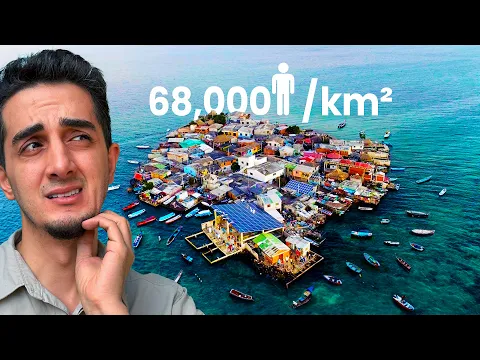
Life in this location defies urban logic. There are no cars, only four concrete streets. The proximity is such that, in Santa Cruz del Islote, neighbors walk through each other’s houses. In this scenario, the most crowded island in the world reveals chaotic adaptations. The absurd population density of 68,000 inhabitants per km² turns every centimeter into a luxury, and the constant lack of water demands intense community cooperation to ensure the minimum vital.
Domestic Life Without Space And Resources

Upon entering the houses, the impact of population density is visible. Ten people share three beds and, with no space for wardrobes, clothes hang on the walls. The construction is illegal and disorderly: those who cannot find land build over their neighbor’s house.
-
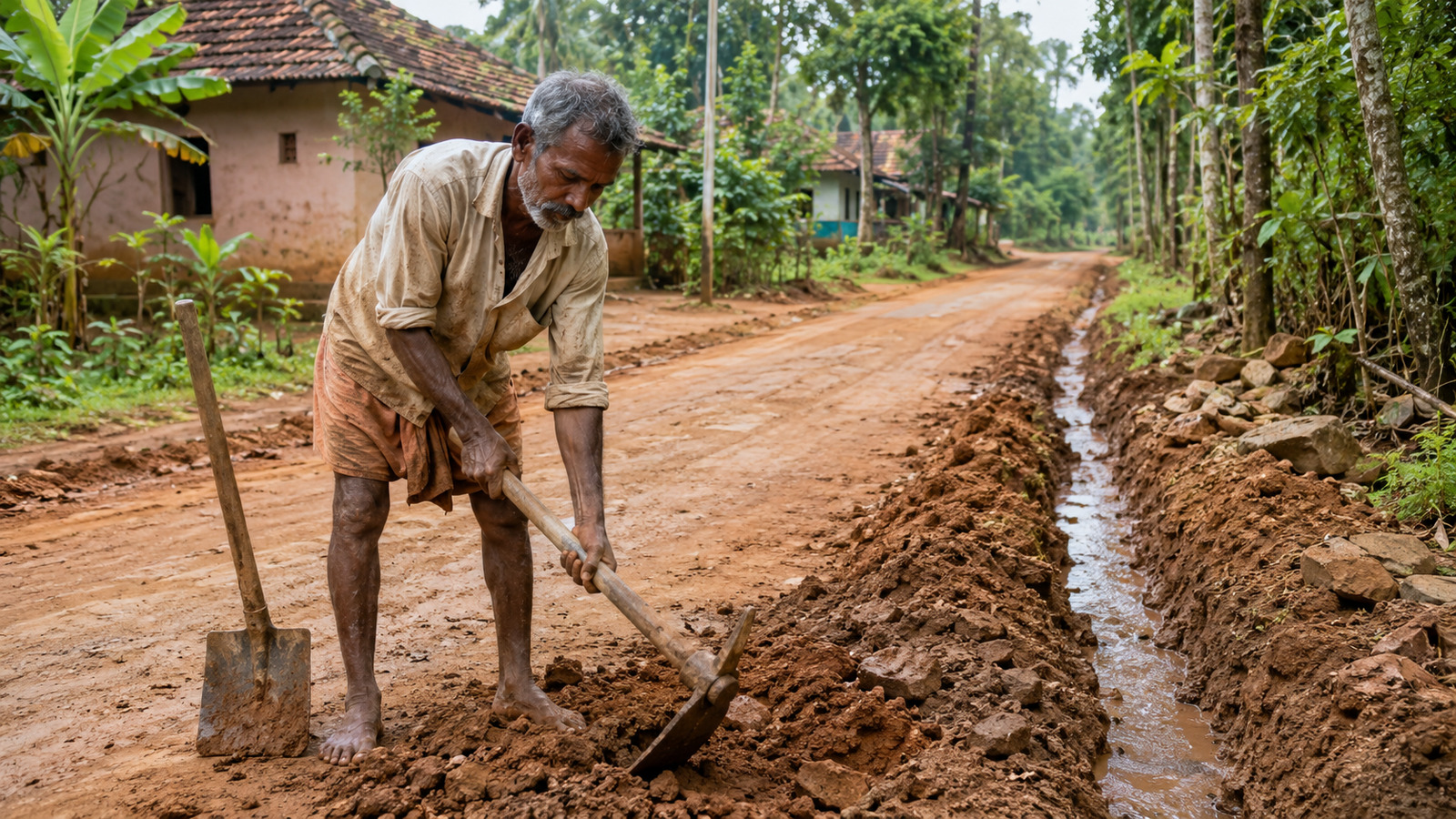
56-year-old Govinda, tired of waiting for government action, single-handedly built a dirt road with a pickaxe and shovel to aid 25 families in India

-
Cold War Secret Plane Lost Engine Mid-Flight, Forcing Six to Parachute in Darkness; Wreckage Remains in Death Valley Mountains 73 Years Later

-
Opened in 1980, Shopping Recife was Pernambuco’s first mall and helped transform Boa Viagem into a bustling and sought-after district in southern Recife.
-
Tired of Monthly Water Supply, South African Villagers in Limpopo Connect Mountain Spring to Taps, Bringing Water to 5,000 People with $700 Initiative




In addition to the cramped conditions, hygiene is compromised by the lack of water. The scarcity is so critical that household cleaning takes a back seat, while animals and children compete for the few free concrete spaces in the Caribbean Colombia.
The Water And Energy Challenge
The infrastructure on the most crowded island in the world is precarious. There is no sanitation and the lack of water is the biggest drama. The only fresh source is rainwater, stored in a community tank. During droughts of eight months, the Colombian Navy needs to intervene.
When it rains, there is celebration. Solar energy works only part of the day. Without it, food spoils quickly, aggravating the situation for those who already live on the edge in Santa Cruz del Islote.
Trash And Pollution In The Artificial Paradise
Trash accumulates and the sea becomes a dump, where even toilets are found in the ocean. The artificial base of the island, made of corals and debris, suffers from flooding.
The pollution is so severe that the islanders need to import fish, as local fishing no longer meets the demand. Despite the lack of water and the dirt, the community persists.
Economy, Health And Social Order

Despite the apparent chaos, the community maintains a peculiar social order. There is no police in Santa Cruz del Islote. Conflicts are resolved by the elders, who promote reconciliation. Health depends on a local nurse who, in 40 years, takes pride in never having lost a baby. However, death brings a logistical problem: due to the population density, there is no space for cemeteries. The dead must be transported by boat to be buried on the mainland of Colombia.
The economy revolves around fishing and tourism. Visitors pay about $2.50 to enter the most crowded island in the world and see sharks in improvised aquariums. Even with all the difficulties and often living in “common-law relationships” without official marriages, the residents show a deep attachment to the place, refusing to abandon their home in the middle of the ocean.
Could You Live In Such A Close-Knit Community Without Privacy, Or Would The Chaos Be Unbearable For You?




Não é só lá não, nós latinos somos considerado o lixo do mundo, não é a geografia é o cérebro das pessoas latina!!
Evitem is comentários banais. São seres humanos como nós e merecem tido nosso respeito. A gente não sabe quando “o pior”, vai nos atingir também.
Estamos neste planeta pra isso.
A densidade demográfica para 816 pessoas numa área de 1% de Km2 seria 81.600 hab/Km2, a não ser que considere que 36 pessoas morem em barcos rsrsr