Portuguese
  Spanish


New Zealand has finished drilling Big Ben — a geothermal well in the Taupō Volcanic Zone that reached temperatures above four hundred degrees Celsius at less than four kilometers deep, entering the territory of what scientists call super-hot geothermal: a category that can multiply by ten the amount of energy extracted per meter drilled compared to conventional geothermal wells.
The difference between conventional and super-hot geothermal
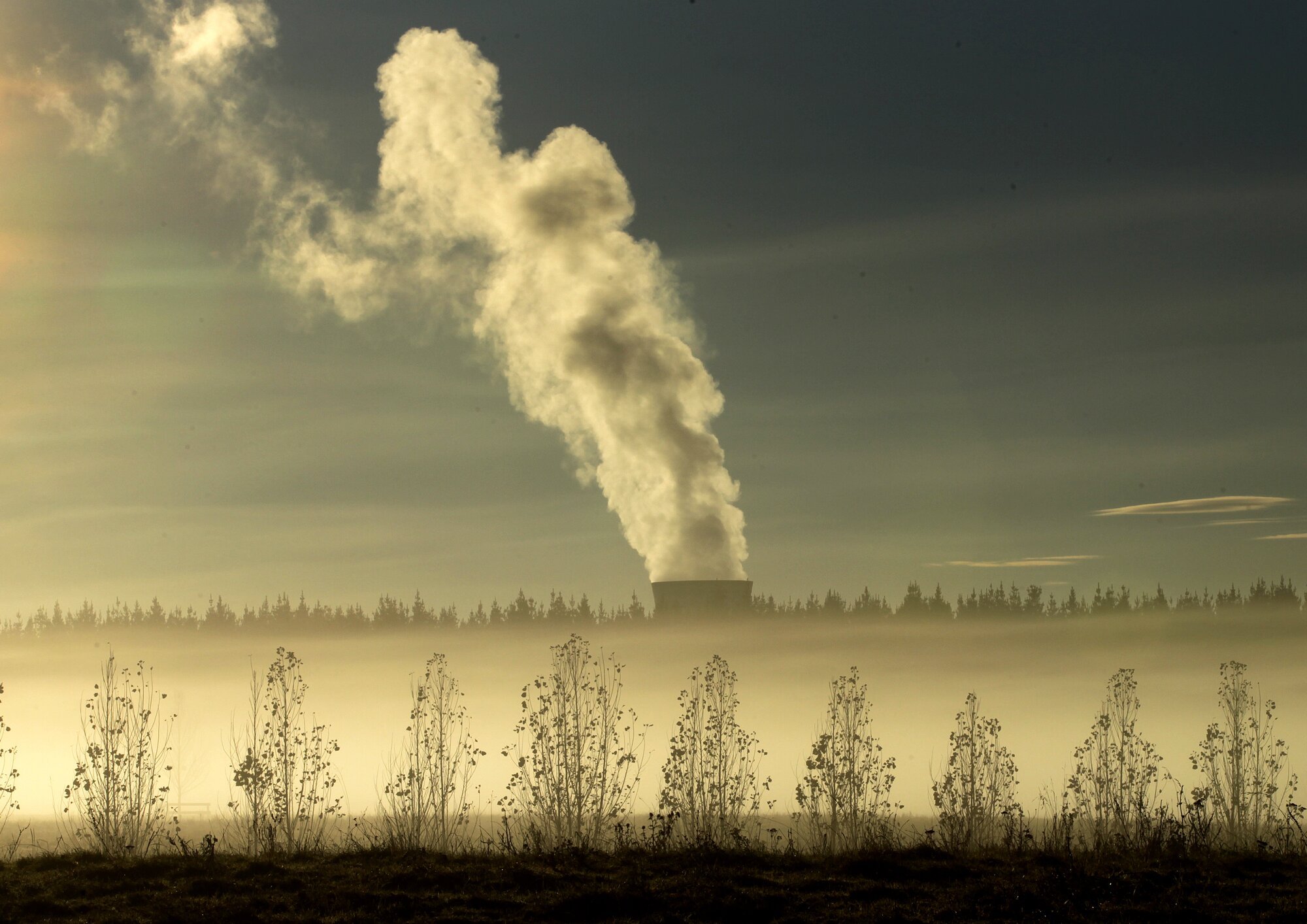
You already know conventional geothermal: drill, find hot water or steam at 150-250 degrees Celsius, use this heat to spin turbines, generate electricity. It’s a century-old, stable, and renewable technology — but limited in energy density. A conventional well typically produces between 5 and 10 megawatts electric.
Super-hot geothermal is different. Above 350-400 degrees Celsius and at pressures over 220 bar, water exists neither as a liquid nor as traditional steam: it enters the supercritical state, where it has intermediate properties between the two. In this state, the supercritical fluid carries five to ten times more energy per kilogram than conventional geothermal steam.
The practical result: the same well that would produce 7 megawatts under conventional conditions can produce 50 megawatts under supercritical conditions. It’s the difference between a modest power plant and an industrial plant.
-
Taiwan Invests $2.3 Billion to Produce 66 Brave Eagle Jets Domestically, Showcasing Technological Autonomy Amid Chinese Pressure

-
Microsoft Reveals Windows Setting to Safely Remove USB Drives and Prevent Data Loss
-
Astronomers Discover Two Giant Planets with Cotton Candy-Like Density, Comparable in Size to Jupiter, Orbiting a Star 1,110 Light-Years Away
-
Meteor Showers and Full Moon Create Rare Celestial Display Over Brazil in Late July



Why Taupō and why now
The Taupō Volcanic Zone, in the center of New Zealand’s North Island, is one of the most geothermally active regions on the planet. Lake Taupō, which occupies the caldera of the largest supervolcano in human history, has magma chambers at relatively shallow depths — meaning extreme heat is accessible at still manageable drilling costs.
Todd Energy, a New Zealand company, conducted the drilling of Big Ben with partial funding from the New Zealand government under the clean energy program. The well reached 3,800 meters deep before encountering the expected supercritical conditions. In the first measurements, sensors recorded 427 degrees Celsius and pressures of 340 bar — well within the supercritical regime.
Now the hardest part begins: extracting this fluid without destroying the equipment. Conventional well materials do not survive temperatures above 350 degrees for long periods. Big Ben will need special metal alloys and coating techniques that the high-temperature oil and gas industry is beginning to develop — precisely because the sector has seen the potential of this market.
Brazil and the geothermal frontier that almost no one discusses
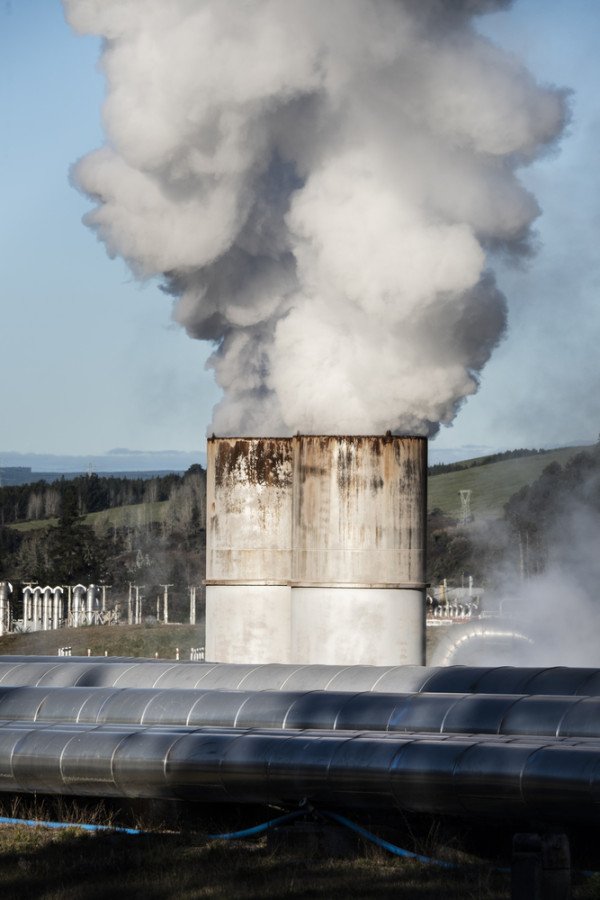
Geothermal in Brazil has a reputation of “doesn’t work here” that is partially true and largely exaggerated. It is correct that Brazilian territory has no active volcanoes and that the average geothermal gradient is low. But the state of Rio Grande do Sul has significant geothermal anomalies in the south of the Paraná basin, and the Northeast has regions of elevated gradient associated with ancient rifts.
More importantly: the New Zealand model of super-hot geothermal opens up prospects for volcanic regions in South America that are neighbors to Brazil — Chilean and Bolivian Andes, which have the most underutilized geothermal potential on the continent.
We still don’t have a Brazilian energy policy that takes geothermal seriously. New Zealand already generates more than 20% of its electricity from geothermal sources — and Big Ben could push this number into even greater territories.
When super-hot geothermal reaches the market
The most conservative estimate from Taupō researchers is that Big Ben could enter production test operation in 2027-2028. If extraction works as planned, the well could become the most productive in New Zealand — and possibly in the southern hemisphere.
The industry’s interest is global. Companies like the American Quaise Energy and the Icelandic Reykjavik Geothermal are closely monitoring Big Ben’s technical results. Each successful super-hot well is a proof of concept that reduces the perceived risk for the next investment.
Drilling Big Ben does not solve the world’s energy problem. But it proves that there is a geothermal frontier that has not yet been explored — and that is literally beneath our feet in dozens of countries.
Read also: the machine that melts rock with microwaves to access geothermal energy | China that will drill 15 kilometers into the Earth.
Do you think super-hot geothermal has a future on a global scale, or will it remain restricted to specific volcanic regions? Comment here what you think.