Portuguese
  Spanish


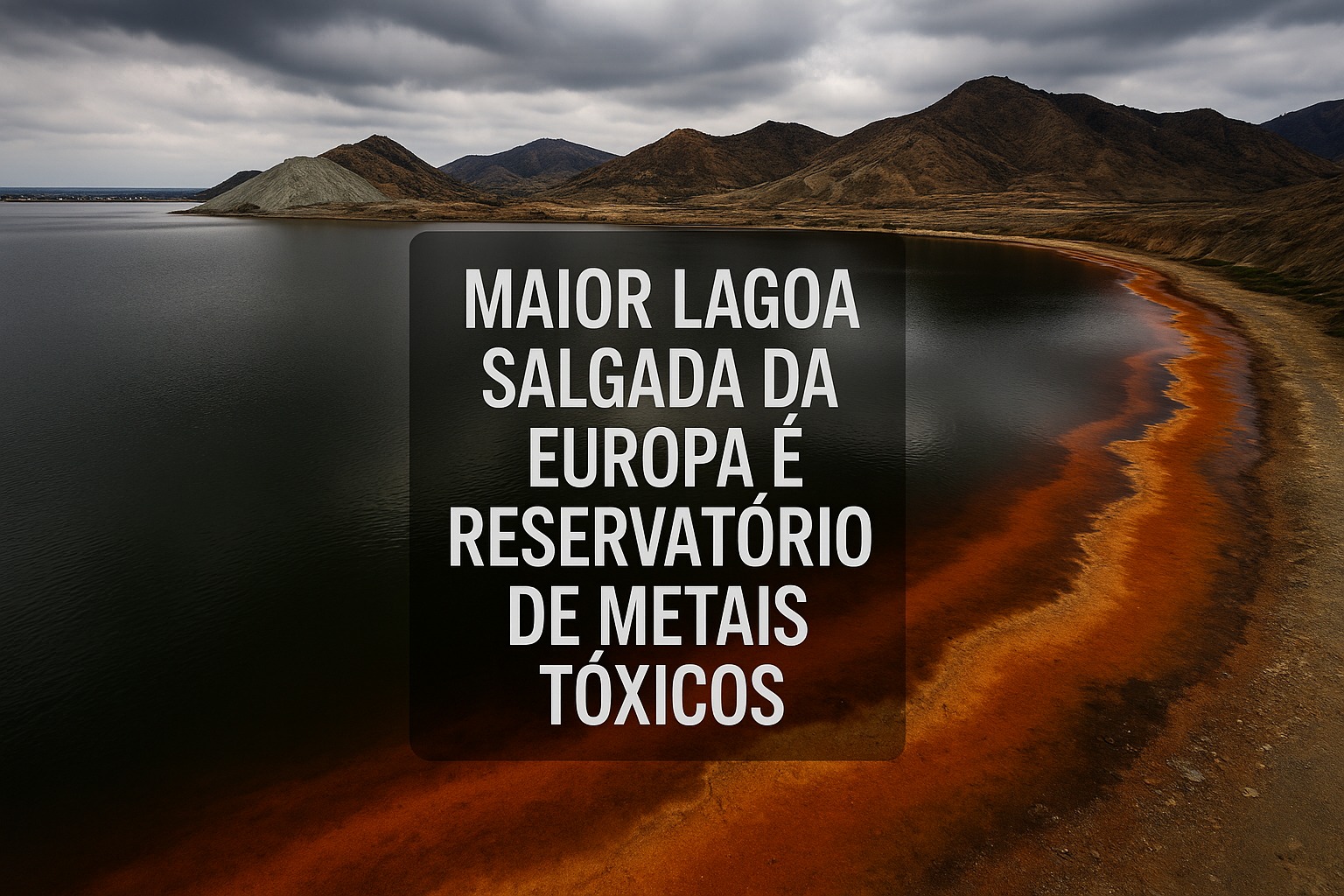


Waste From Old Salt Mines in Spain Continues to Contaminate the Mar Menor, the Largest Saline Lagoon in Europe. Even After Mining Ended in the 1990s, Toxic Metals Like Lead, Arsenic, and Mercury Still Threaten the Local Ecosystem
An old mining industry that operated between the late 19th century and the 20th century, around the Cartagena-La Unión mountain range in Spain, left a concerning legacy. The exploitation of the region’s salt reserves contaminated the Mar Menor, the largest saltwater lagoon in Europe, located in Murcia. The site has turned into a reservoir of toxic metals.
A recent study published in the journal Marine Pollution Bulletin investigated the excess heavy metals accumulated in the lagoon.
Although the industry ceased operations in the 1990s, rains continued to transport mine waste, keeping the contamination active.
-
She spent 73 years breathing inside an iron lung, survived the aftereffects of polio, and became the last woman in the United States dependent on the equipment before dying at 78 years old.

-
Brazilian students created a $1 filter using pine bark, cotton, and 3D-printed parts to clean cassava wastewater, reduce the toxicity of a hazardous waste, and transform contaminated water into biofertilizer.

-
Astronaut from Artemis II steps down after mission to the Moon and decision surprises after a record of 406,771 km, a historic 10-day journey, and an unprecedented achievement for Canada.

-
A fossil kept for years in a small museum in Montreal concealed 450-million-year-old soft tissue, a discovery that has only happened once before in history.


High Concentrations of Metals
Currently, the Mar Menor exhibits elevated levels of lead, arsenic, zinc, mercury, copper, and silver, exceeding recommended limits.
The highest concentrations are found in the southern part of the lagoon, the area closest to the old mining channels.
Historical data shows that the highest pollution levels occurred around the mid-20th century.
Despite the prohibition of mining discharges into water bodies since 1955, urban sources and boat paints continued to release metals into the lagoon, worsening the environmental issue.
Environmental Impacts and Risks
Today, the concentration of metals in sediments is lower than in the past, but the accumulation still reaches tons.
These elements remain deposited at the bottom of the lagoon, potentially representing a future threat.
According to researcher Irene Alorda from the Autonomous University of Barcelona (ICTA-UAB), the current impact does not directly affect living organisms, but it may increase over time.
This is because the combination of human pressures and environmental changes tends to worsen the situation.
Growing Threat
The study warns that climate change, eutrophication, and sediment suspension may again release metals into the ecosystem.
This reactivation would put marine life at risk and amplify the effects of contamination.
The research concludes that historical pollutants, combined with current environmental transformations, could intensify the degradation of the lagoon.
Therefore, the authors advocate for new conservation and monitoring strategies to protect the Mar Menor and prevent irreversible damage to the European ecosystem.
With information from Revista Galileu.