






 Portuguese
  Spanish


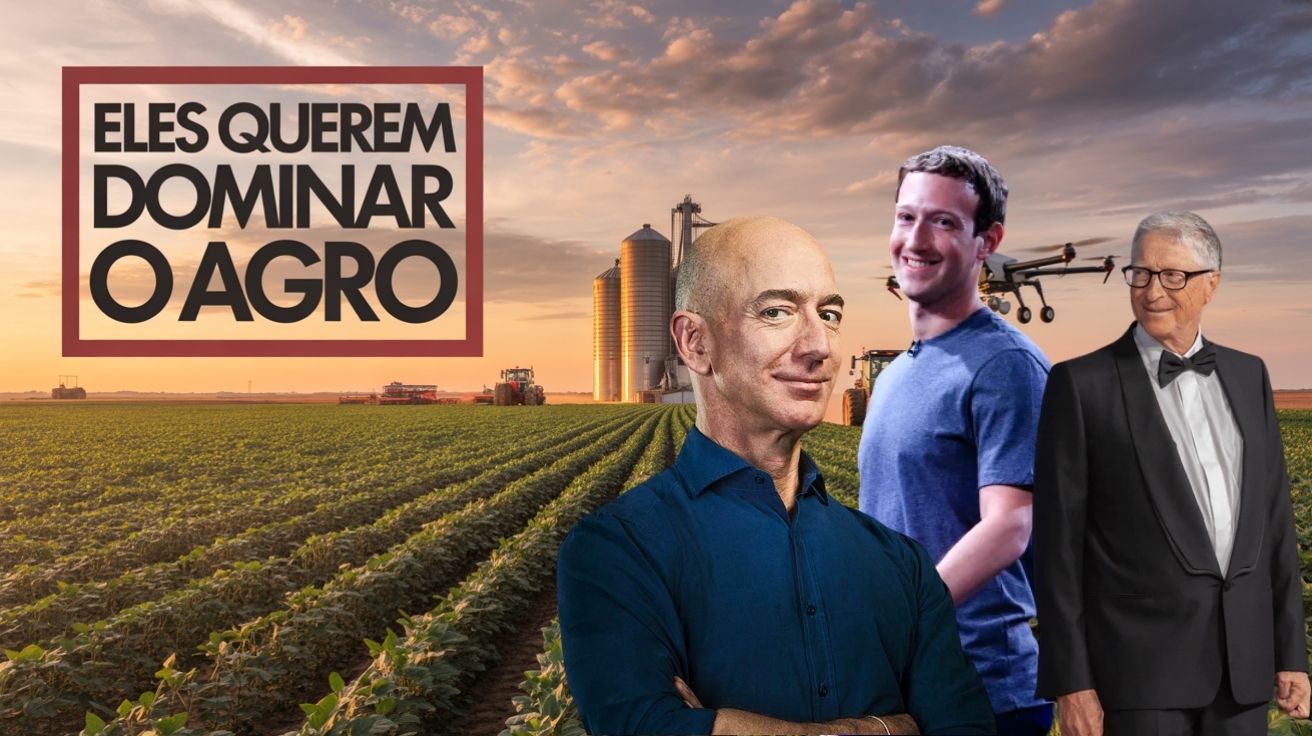


Billionaires Like Gates, Zuckerberg, and Bezos Expand Investments in Farms, Driving the Value of Agricultural Lands While Transforming Agriculture into One of the Most Sought-After Assets to Protect Wealth in Times of Economic Instability and Global Scarcity.
Billionaires like Bill Gates, Mark Zuckerberg, and Jeff Bezos have significantly increased their investments in agricultural lands, consolidating a trend that has been gaining strength globally.
The interest in this type of asset has grown in recent years, particularly in light of scenarios of economic instability, high inflation, and fluctuations in financial markets.
Valued agricultural lands have come to be considered long-term investments, with the potential for stable returns.
-
Brazil’s Largest Grain Port Faces Delays in the Hinterlands, Missing Rail Link Costs Agribusiness Billions

-
Egg Prices Drop Due to Weak Demand as Poultry Producers Increase Purchasing Power
-
From Father to Daughters: Aline Leaves Career to Modernize Family’s Four-Decade-Old Artisanal Cachaça Business in Rural Brazil, Expanding Production with Her Sister
-
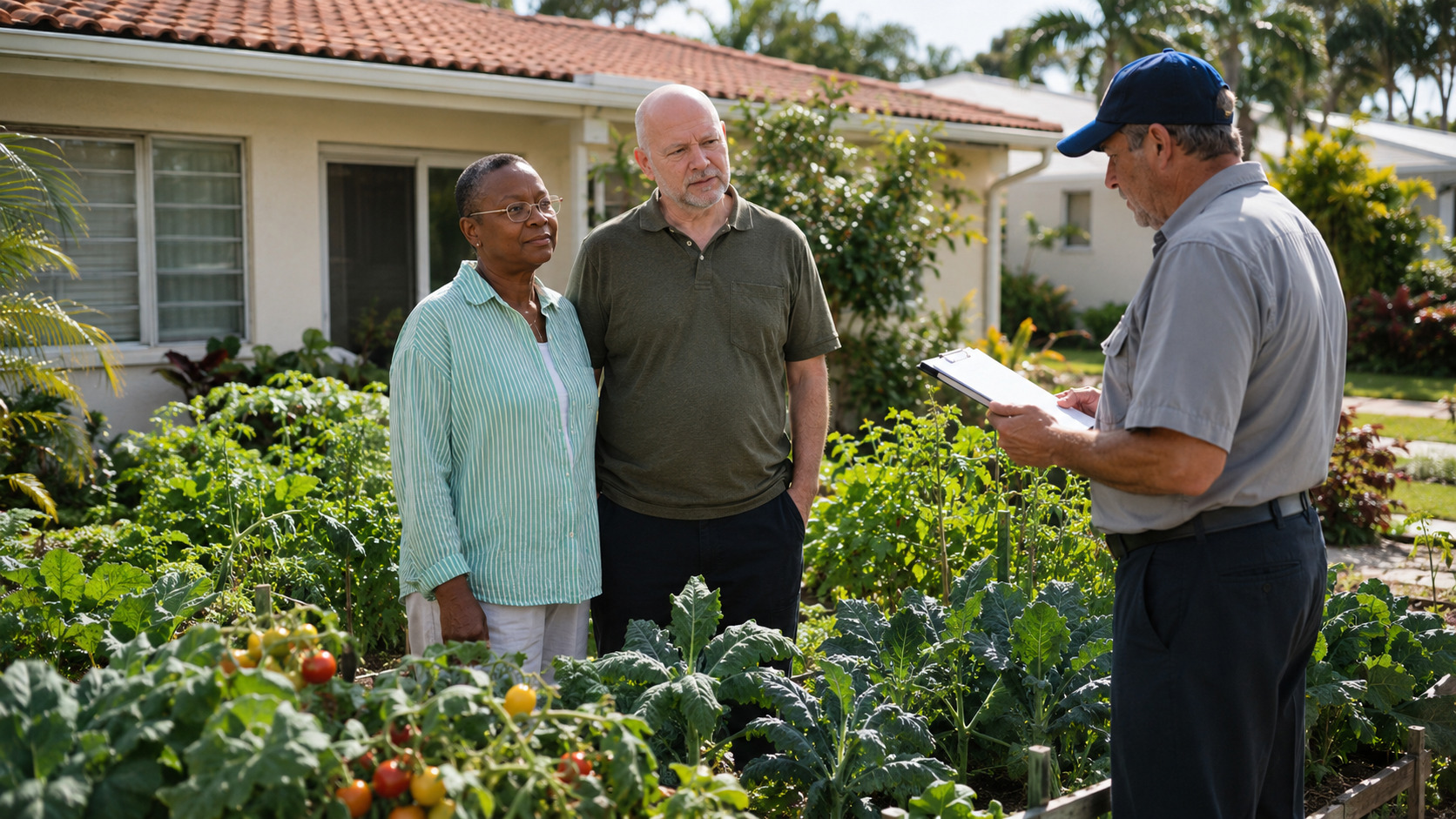
Couple’s 17-Year-Old Home Garden Destroyed by Local Authorities, Threatened with Fines


Additionally, they provide recurring income through agricultural production.
These factors attract large investors who see land as a safer alternative compared to intangible assets, such as technology stocks or cryptocurrencies.
Billionaires Strengthen Presence in Agriculture
In the United States, Bill Gates has become the largest private owner of agricultural land, accumulating more than 111,000 hectares spread across various states.
Through the holding Cascade Investment, the businessman acquired areas designated for crops such as soybeans, corn, cotton, and potatoes.
In public statements, Gates has said that agriculture will be essential to combat food insecurity and climate impacts in the coming years.
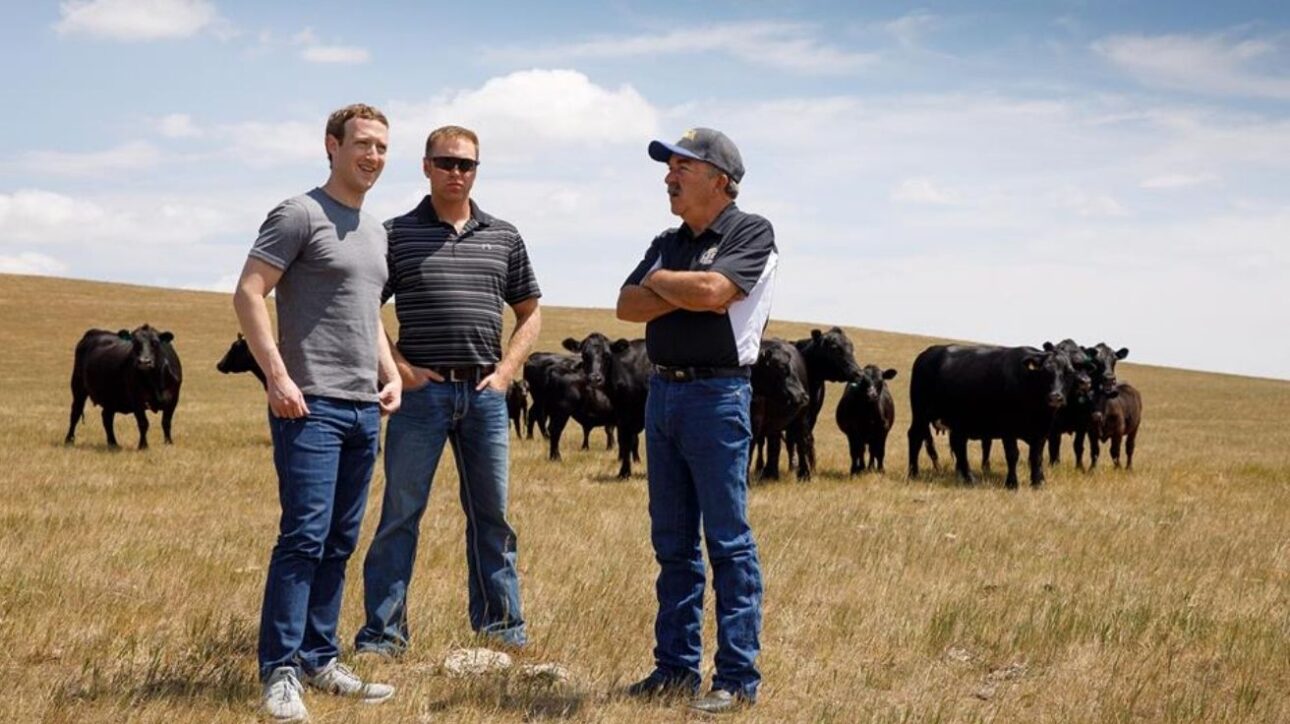
Mark Zuckerberg, founder of Meta, is also investing in the sector.
Together with his wife, Priscilla Chan, he acquired extensive properties in Hawaii focused on sustainable agriculture and environmental conservation.
Jeff Bezos, of Amazon, also owns rural land in the United States and abroad, with objectives that include ecological preservation and wealth diversification.
Land as Protection Against Inflation and Volatility
The behavior of these entrepreneurs reflects a wealth protection strategy.
Unlike financial assets subject to sudden volatility, land retains value even in crisis scenarios.
Its practical utility—whether for food, biofuels, or conservation—makes this asset less susceptible to abrupt losses.
In Brazil, the sector is also recording significant appreciation.
The Land Price Index of the Getúlio Vargas Foundation (FGV) indicates that the values of agricultural areas have increased by more than 200% in the last decade.
This increase is attributed to the appreciation of commodities, rising external demand, and scarcity of available arable land.
Brazil Attracts Large International Investors
Among emerging countries, Brazil stands out as a strategic destination for investors interested in productive land.
The state of Paraná leads national prices.
In high productivity regions, such as Norte Pioneiro and Oeste Paranaense, the hectare exceeds R$ 100,000.
Studies from Cepea (Center for Advanced Studies in Applied Economics) show that appreciation is linked to soil fertility, logistical infrastructure, and grain production such as soybeans and corn.
The international interest remains high.
The search for real assets, combined with the stability of Brazilian agriculture, strengthens the demand for land.
The favorable commodity pricing and the currency devaluation make the country even more attractive to foreign capital.


Agricultural Expansion and Appreciation of Productive Frontiers
The global demand for food remains steady, even during periods of health crises or geopolitical conflicts.
This factor ensures stable profitability for the agricultural sector and reinforces interest in cultivable land.
Studies from Embrapa and industry consultants highlight the advance of the Brazilian agricultural frontier.
Areas in the Midwest, North, and Northeast offer more accessible prices, greater land availability, and opportunities for production modernization.
Small Producers Face Access Difficulties
The appreciation of land, however, has brought social impacts.
Small farmers report difficulties in acquiring or maintaining their properties.
The rise in prices fuels land concentration and hinders the entry of new producers, creating distortions in land access and agricultural structure.
Meanwhile, investment funds and private holdings are expanding their acquisitions.
Land has become part of wealth portfolios aimed at protection against crises and long-term appreciation.
Agricultural Land Gains Status as a Global Strategic Asset
Recent economic analyses suggest that land serves as a natural protection against inflation.
Being a physical, scarce, and useful asset, its value tends to keep pace with or exceed inflation rates in various countries.
The increase in the demand for rural properties reinforces the consolidation of agricultural land as one of the most solid assets in times of instability.
The growing participation of private investors in this segment indicates a reconfiguration in global investment dynamics.







Tenho Terras Disponíveis em Minas Gerais.(31)98643-2299