Portuguese
  Spanish


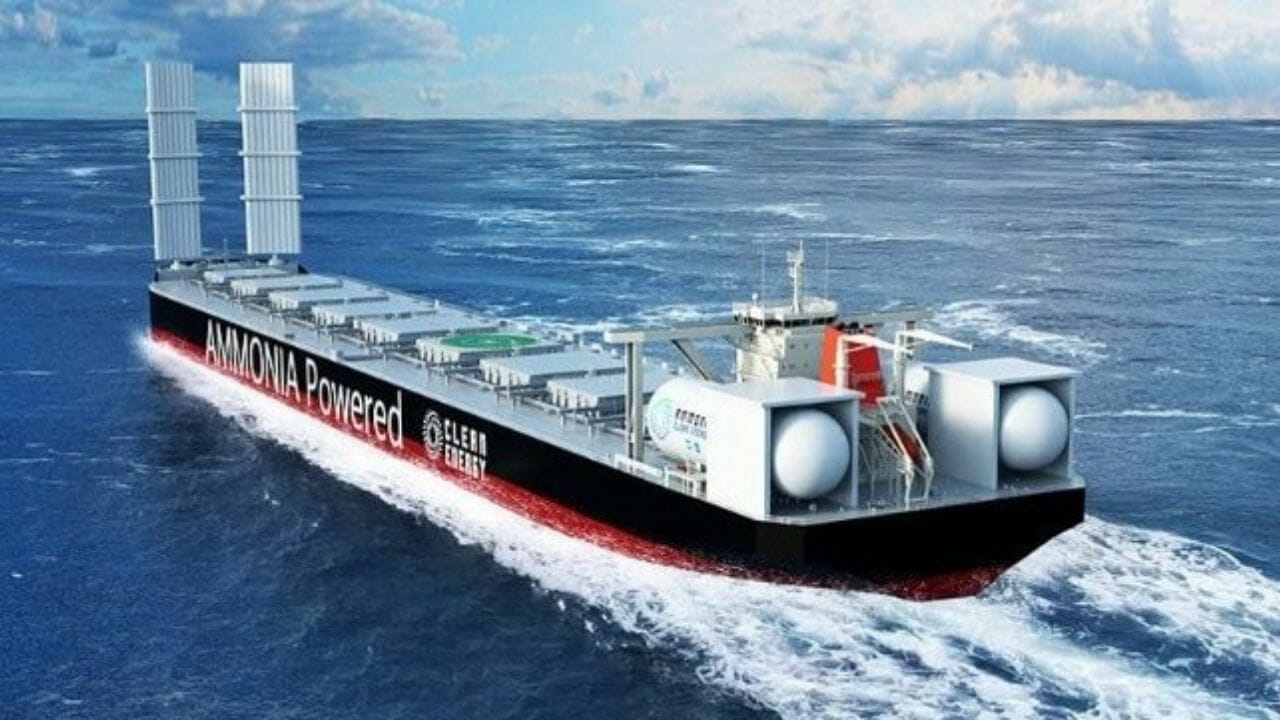

You Know That Expression “Fair Winds”? It Seems Ammonia Is Catching That Breeze in the Race to Become the Most Sustainable Marine Fuel of the Future.
According to Luis de Mattos, an offshore regulatory compliance specialist, ammonia stands out economically as a viable option for hydrogen production. Unlike other green fuels, ammonia does not face additional costs for carbon extraction.
Renewable Energy and Supply Logistics
But it’s not just about economics when building a sustainable future. The use of cleaner fuels also requires a keen eye on the energy source. For large-scale production of zero-carbon fuels, areas with high incidence of renewable energy, such as solar and wind, become highly attractive.
And here’s the detail: many of these areas are conveniently located near major maritime trade routes. However, these locations are also known for their low population density and relatively small energy markets.
-
They exchanged the idea of a large house for a 35 m² warehouse, spent US$ 12,000 on the structure, and created a tiny house in Colorado with space to live and work.

-
The Port of Itaqui closes the best first semester in history with over 17 million tons and takes off as the locomotive of the Northern Arc.

-
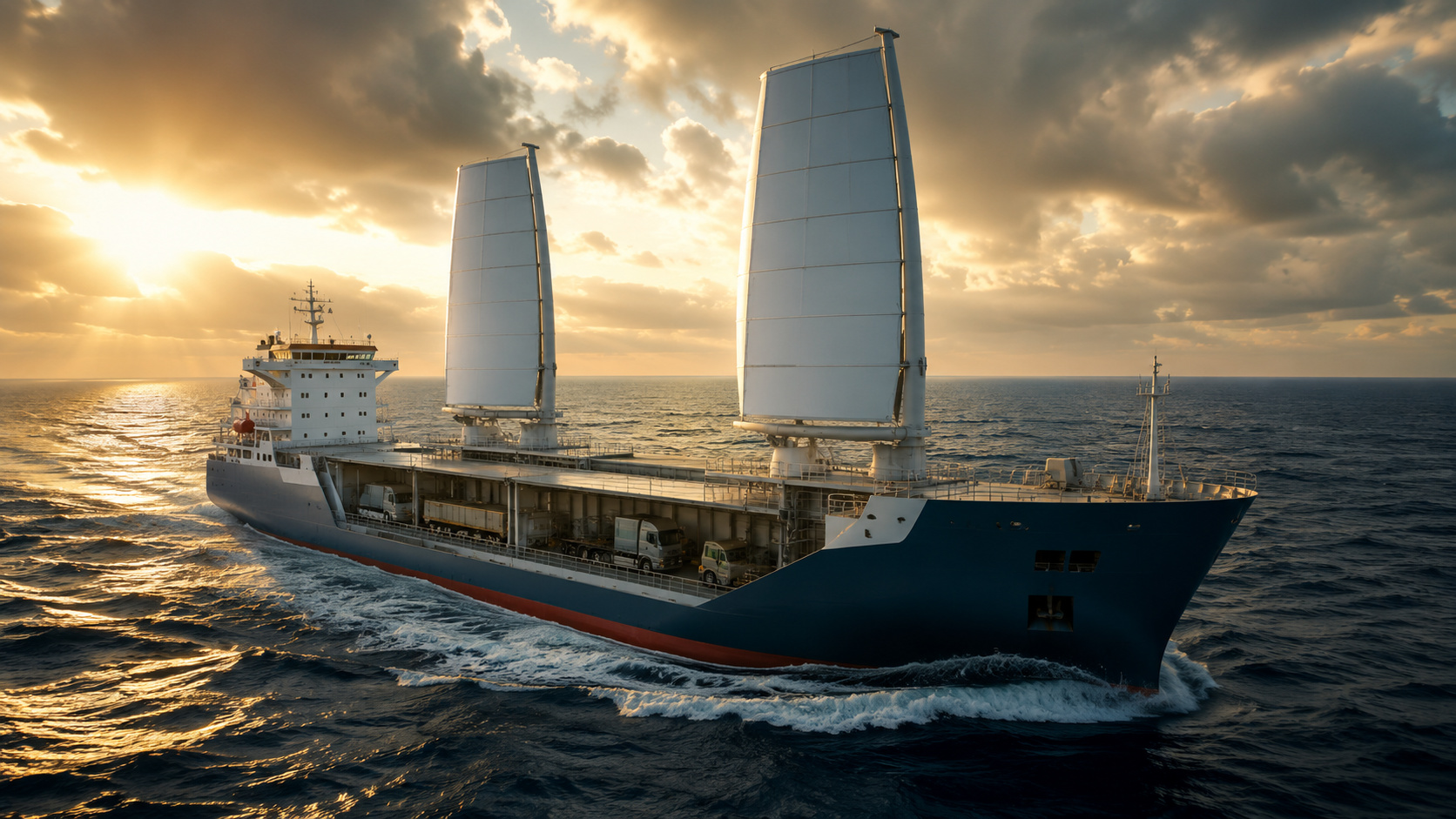
With two giant sails instead of relying solely on the engine, a modern cargo ship crosses the Atlantic carrying cars, forklifts, and goods to test using less diesel in maritime transport.
-
While modern cities rely on pumps and electricity, in Iran, ancient tunnels carried water through the desert using only slope and gravity.


The Role of Safety in the Energy Transition
Safety is a critical component of this energy transition. Changes in the designs of new vessels are already on the horizon, including the physical separation of accommodation and fuel areas in ship structures. Imagine a scenario where the engine rooms are fully automated, minimizing the risks associated with handling fuels like ammonia.
Future Regulations and Challenges
There is still a lot of water to flow under this bridge. By 2030, stricter regulations from the International Maritime Organization (IMO) regarding nitrogen oxides (NOx) emissions and other greenhouse gases are expected. And don’t be surprised if more efficient, low-temperature fuel cell technology replaces combustion engines in new ship builds.
New Horizons in Global Shipping
Though there are challenges and uncertainties, logistics and infrastructure, like in any open sea, transformations bring with them an ocean of opportunities. New types of ships, cargo markets, and routes are about to emerge, writing a new chapter in global maritime history.
So, will we be able to make the use of ammonia as marine fuel a safe and sustainable reality by 2030? Time will tell, but one thing is certain: we are sailing in increasingly greener waters.