






 Portuguese
  Spanish
  4 min of reading
  0 comments


In 2025, Brazil and Nigeria Will Have a Direct Flight Lagos–São Paulo by Air Peace; Unprecedented Measure Should Boost Trade, Tourism, and Cultural Integration.
The announcement made by the airline Air Peace, the largest private aviation company in Nigeria, confirmed that the first direct flight Lagos–São Paulo will begin operating in the last quarter of 2025. This milestone is unprecedented in the relationship between the two countries: for the first time, there will be a direct air connection between the giant of West Africa and the largest country in Latin America, drastically reducing travel time and costs.
For decades, passengers and cargo had to make connections in Europe or the Middle East, raising fares and increasing logistical distances. Now, the new route shortens paths and symbolizes a gesture of strategic rapprochement.
The Bridge Lagos–São Paulo: Operation Details


According to Air Peace, the direct flights will be operated with large aircraft from the company’s international fleet, with a capacity for over 250 passengers. The initial frequency is expected to be twice a week, with the possibility of expansion depending on demand.
-
Offshore air transport soars in Brazil, surpasses 2.5 million passengers, and reveals how oil has transformed Rio’s airports into key pieces of national logistics.

-
Latin America becomes the “global champion” of aviation taxes, tickets may become more expensive in Brazil, and IATA’s warning exposes risk for flights, tourism, and passengers.

-
Brazil has lost 85 air routes since 2019 and is still flying less than before the pandemic, leaving passengers with fewer destinations, fewer frequencies, and a more limited air network.

-
Anac and Decea are behind iFood’s drones in Barueri and explain how aerial delivery got the green light in Brazil, as orders leave the mall, cross the sky in a few minutes, and reveal the behind-the-scenes of new commercial drone deliveries in the country.

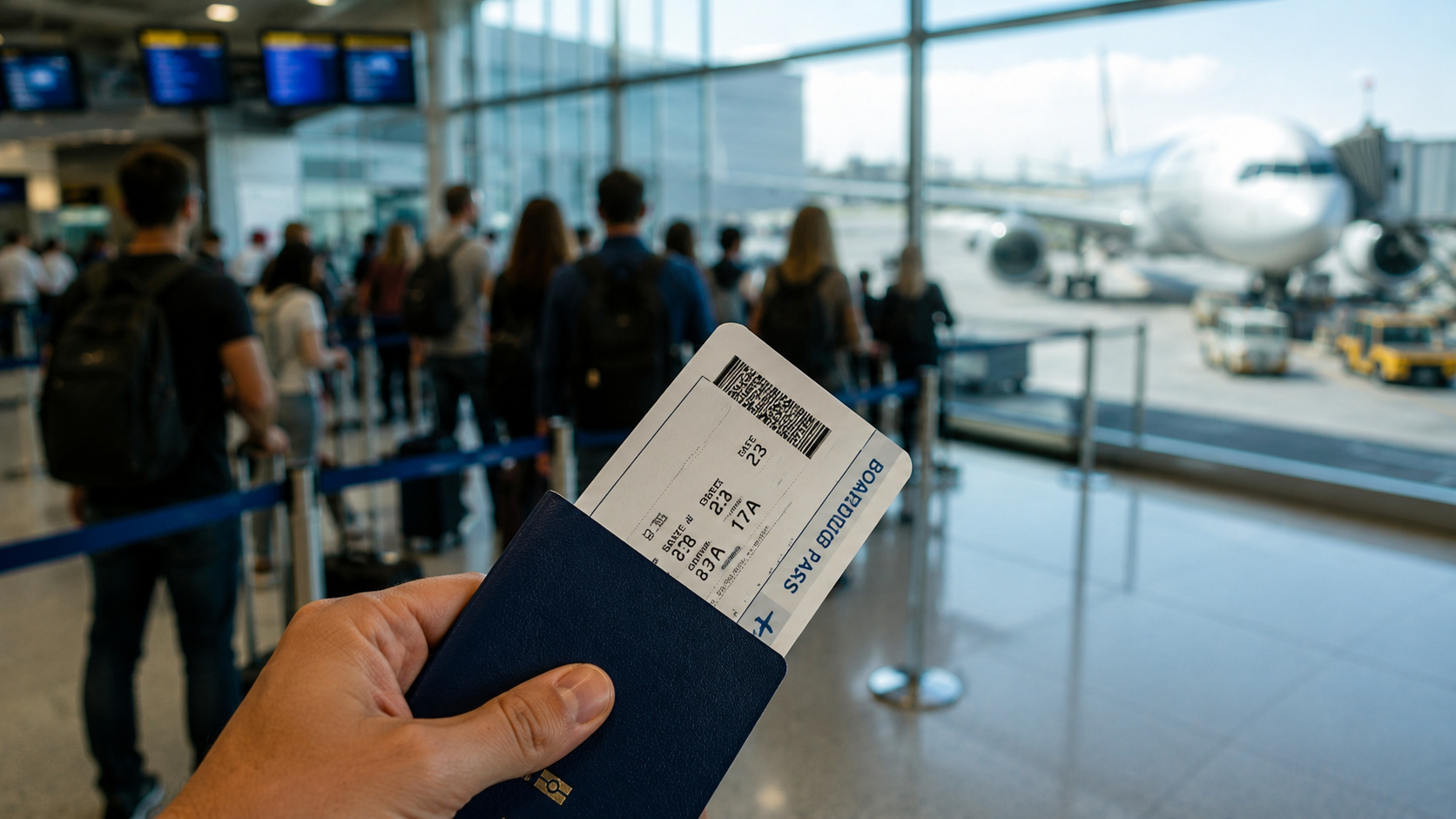

Brazilian authorities emphasized that São Paulo was chosen as a destination for concentrating both the largest economic hub in the country and the largest Nigerian community in Brazil. For the Nigerian government, the new route is a “fundamental step to strengthen South–South trade.”
Bilateral Trade: New Opportunities
Although Brazil and Nigeria have historical ties in diplomacy and energy cooperation, trade between the two countries is still modest compared to the potential.
In 2024, according to data from MDIC, the exchange totaled just over US$ 2 billion, highlighting Brazilian exports of food, meat, and manufactured goods, while Nigeria continues as a supplier of oil and derivatives.
The new air route is expected to reduce logistical costs for higher value-added products, such as pharmaceuticals, industrial parts, and even cultural products. Foreign trade experts assess that the direct flight can open space for innovative logistical partnerships, connecting the South Atlantic in a unique way.
Tourism and Cultural Exchange
The impact will not be only economic. The opening of the Lagos–São Paulo route also promises to strengthen tourism and cultural exchange. Nigeria, the largest country in Africa by population, has a significant diaspora in Brazil, with historical roots tracing back to the transatlantic slave trade.
For Afro-Brazilian communities, the direct connection is seen as an opportunity to revive historical and cultural ties. On the other side, Brazil emerges as a tourist destination of diversity and hospitality, enhancing the country’s image among Nigerian audiences.
The Context of African Aviation
Air Peace has emerged as one of the fastest-growing companies in the African airline sector. In 2025, in addition to the route to Brazil, the company announced plans to expand international connections to London, Jeddah, and Mumbai.
Aviation sector analysts point out that Air Peace’s entry into São Paulo is also a response to the growing demand for South–South intercontinental routes, without the need for stopovers in European hubs. This reinforces the trend of diversification and independence in global air transport.
Diplomacy and Geopolitics in the South Atlantic
Beyond aviation, the route also symbolizes a geopolitical movement. Brazil has been strengthening its approach to African countries, especially in West Africa, through the CPLP (Community of Portuguese Language Countries) and IBAS (India, Brazil, and South Africa).
Nigeria, in turn, is the largest economy in Africa, with a GDP exceeding US$ 500 billion and a strong presence in the energy and cultural sectors, highlighted by the Nollywood film industry and music production.
The direct flight connection brings two strategic poles of the South Atlantic closer, with potential impacts on security, trade, and regional cooperation.
Challenges Ahead
Despite the optimism, the challenges are significant. Operating long-haul routes requires exchange rate stability, competitive fuel costs, and constant demand. Furthermore, the sustainability of the route will depend on joint promotional campaigns between governments and the private sector to ensure satisfactory occupancy on flights.
Experts also remind us that, historically, attempts at direct routes between Brazil and African countries have faced economic viability difficulties. The expectation is that with an African company leading the process, market logic will be more aligned with regional demands.
A Milestone for South–South Integration
The direct flight between Brazil and Nigeria in 2025 will be more than a logistical connection: it will be a historical milestone of cultural, economic, and diplomatic rapprochement. After decades of distance, the two regional giants are tightening ties in a practical gesture that could redefine the dynamics of the South Atlantic.
As Air Peace highlighted in an official statement, “the Lagos–São Paulo flight symbolizes the determination to bring together peoples and markets that share history and future.”
If consolidated, the route could pave the way for new partnerships and strengthen the roles of Brazil and Nigeria as protagonists of South–South integration.




-

-

2 people reacted to this.