Portuguese
  Spanish




Even Small, City of 4,000 Offers Efficient Healthcare, Well-Rated Education, and Jobs Linked to Agribusiness and Industries
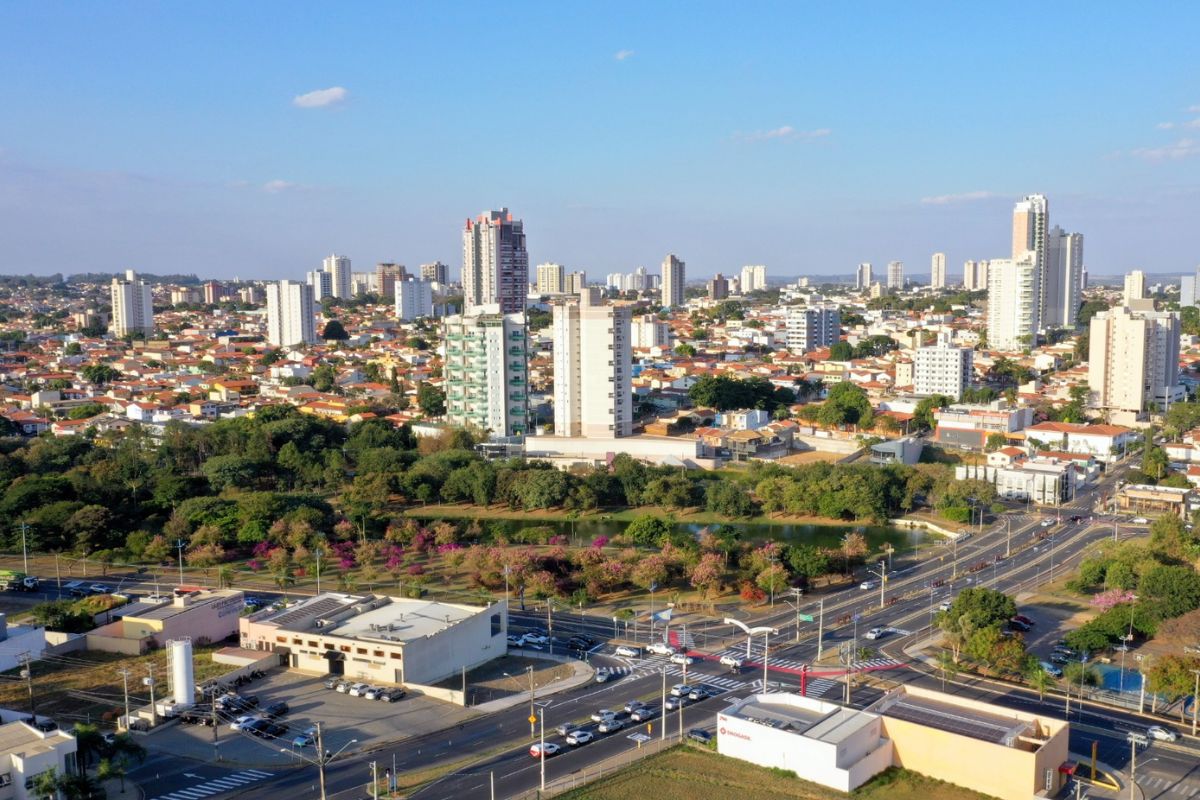
Despite having only 4,000 residents, Gavião Peixoto, in the interior of São Paulo, has become a national highlight by combining the tranquility of a small town with quality infrastructure. According to the FDR portal, the municipality offers well-rated public services, an affordable cost of living, and job opportunities linked to agribusiness and the industries in the region.
This rare combination makes Gavião Peixoto considered an example of efficient management.
While other small towns face shortages in healthcare, education, and jobs, the city shows that it is possible to reconcile well-being with economic development.
-
End of an Era in Brazil: Automaker Shuts Down Mega Factory After Sales Slump, While Chinese Company Plans to Revive It with 100,000 Vehicles Annually

-
Petrobras Invests $350 Million to Revive Long-Stalled Fertilizer Plant in Brazil’s Agricultural Heartland

-
Brazilian Industrial Complex to Double Biodiesel Production Capacity by 2027 with $1.2 Billion Investment, Currently Produces 900 Million Liters Annually
-
As Millions Receive Bolsa Família, Brazilian Companies Struggle to Fill Jobs as 80% Report Hiring Challenges


Who Lives in Gavião Peixoto and What Is Daily Life Like
With just over 4,000 residents, the local routine is marked by tranquility, but without giving up on basic services.
The residents have access to organized health posts and quick care, as well as schools highly rated by the community.
According to FDR, this structure places Gavião Peixoto in a prominent position among similarly sized municipalities, showing that population size does not need to be an obstacle to quality of life.
How Much Does It Cost to Live in the City
One of the most attractive points is the cost of living. Real estate and services are more affordable compared to larger cities, allowing families to maintain a balanced budget.
This advantage is complemented by well-maintained urban infrastructure, with parks, preserved streets, and communal areas.
The result is that residents can maintain a high quality of life without breaking the bank, reinforcing the municipality’s reputation as an interesting destination for those seeking tranquility in the interior.
Where Are the Job Opportunities
The backbone of the local economy is agribusiness, a traditional sector in the region. However, the proximity to industries in the surrounding area opens up new job possibilities.
This combination generates direct jobs and boosts the income of the population.
According to FDR, the municipality can offer professional growth opportunities even with a small population, which sets it apart from other small urban centers in the country.
Why Gavião Peixoto Stands Out Among Small Towns
Another differentiator is its strategic location. The city is close to larger hubs in the state of São Paulo, which facilitates connections for business, studies, and leisure.
The residents enjoy regional infrastructure without giving up the calm routine typical of the countryside.
The FDR portal further highlights that Gavião Peixoto has established itself as an example of good public management and a focus on collective well-being, proving that well-applied policies can transform even small municipalities into references for quality of life.
Is It Worth Living in a City of 4,000 Residents?
For those seeking a balance between tranquility and access to quality services, Gavião Peixoto is an attractive alternative.
The city demonstrates that even with only 4,000 residents, it is possible to unite economic development, jobs, and efficient public services.
This reality shows that not only large urban centers offer opportunities.
Small towns can become models when investing in efficient management and integration with the regional economy.
The case of Gavião Peixoto shows that size does not define quality of life. A city with only 4,000 residents has managed to stand out due to the infrastructure, services, and opportunities it offers to its population.