Portuguese
  Spanish


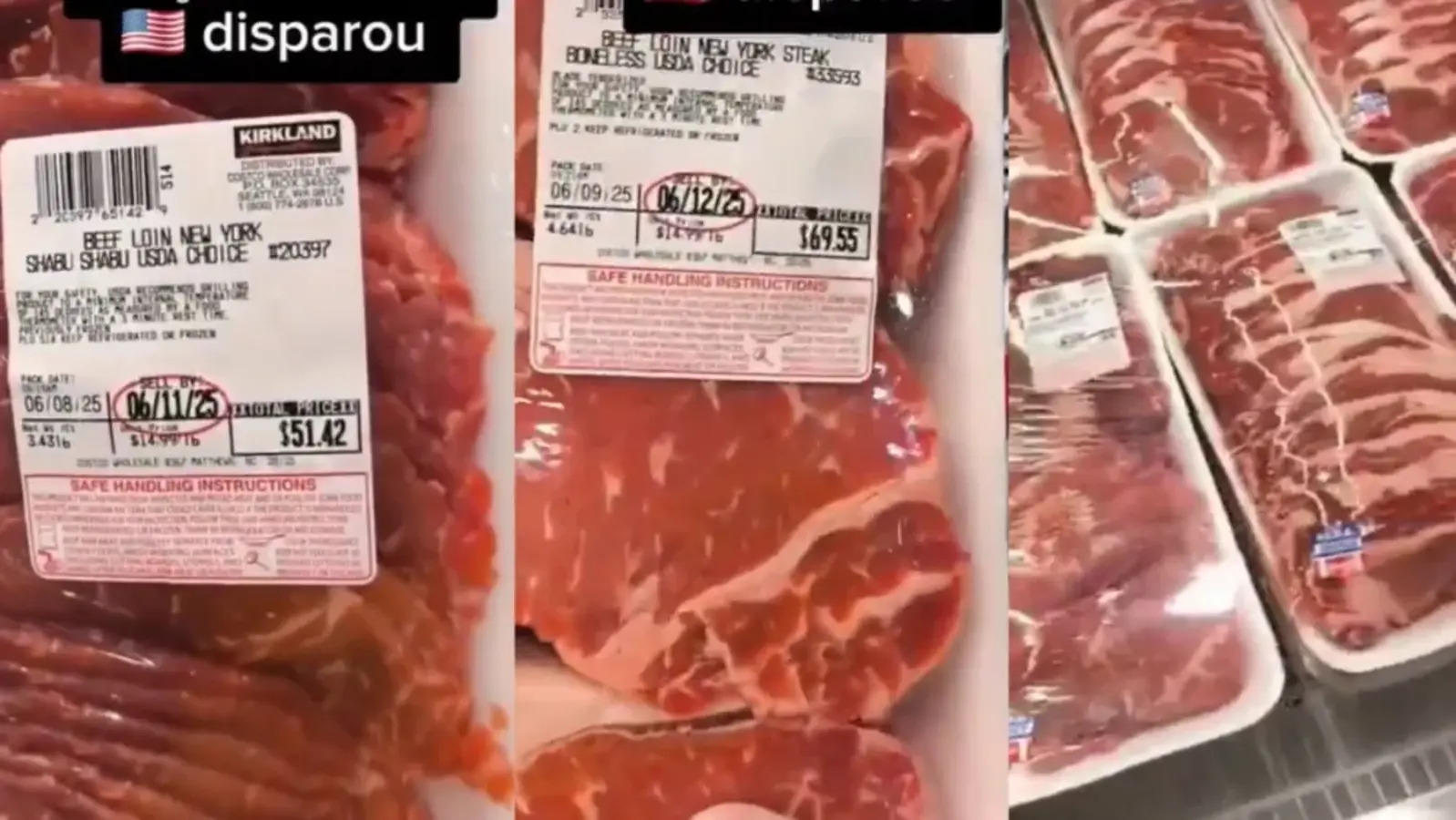


Tariffs Imposed By Donald Trump Raise Meat Prices In The U.S., Affecting Consumers And Brazilian Exports, With Anticipated Impact Also On The Domestic Market
The price of meat in the United States skyrocketed just days after the tariffs imposed by Donald Trump on dozens of countries took effect. Brazilians living in the country reported that beef was the most affected, with trays costing up to US$ 69.
As reported by the portal Itatiaia, a Brazilian showed on social media that a tray of bone-in chicken costs US$ 12.28 and boneless, US$ 20. “The meat is extremely expensive and I didn’t have the courage to pay,” she said.
As for the beef, she opted to buy only a small tray for one meal, paying US$ 11. “I saw a larger tray for US$ 45,” she recounted.
-
Couple Sold Their Home to Save Business, Now Run Platform Handling $180 Million Monthly and Managing Over 51 Million Listings

-
Brazil’s 2026 Tax Refund: Record 9.58 Million Filers in Largest Payout Ever, But a Key Detail on Priority Recipients Draws Nationwide Attention

-
Itaú Alters Hybrid Work Model, Increasing Office Days from 2028, Prompting Employees to Adjust to New Routine
-
Facing Labor Shortage, Japan Plans to Invest $34 Million to Attract Foreign Workers in Construction, Healthcare, Industry, and Commerce





In another market, a Brazilian recorded even higher prices. “I used to buy it for US$ 16 or US$ 17, now it’s US$ 69,” he said while showing the packaging with some pieces of beef. The meat for steak exceeded US$ 50.
Scenario Of Brazilian Beef
Brazil leads in beef exports to the U.S. In 2024, 229 thousand tons were shipped, with 60% destined for hamburger production. For 2025, the industry expected to reach 400 thousand tons.
The United States is the second largest buyer of Brazilian meat. According to the Brazilian Association of Meat Exporting Industries (ABIEC), the suspension of these exports could result in losses of up to US$ 1 billion.
Impact On The Domestic Market
In Brazil, the trend is for cattle prices to rise in the medium and long term, due to increasing production costs. “The Trump tariff has a short-term impact, and in the medium and long term, the market will rebalance,” explained Thiago Bernardino, a researcher at the Center for Advanced Studies in Applied Economics (Cepea).
Experts highlight that although the price shock is immediate in the U.S., the reflection for the Brazilian consumer may come gradually.
The scenario shows that trade measures by large economies directly affect the lives of ordinary consumers, both abroad and in the domestic market.
With information from Itatiaia.com.