






 Portuguese
  Spanish
 3 min of reading
  1 comment


Bill Aims to Redesign Rio de Janeiro with New Geographical Division; Understand What’s at Stake
The city of Rio de Janeiro may soon gain a new geographical division. The City Council will analyze, later this week, a bill that proposes the creation of the so-called Southwest Zone. If approved, this will be the fifth official zone of the capital, reorganizing a large part of the territory that currently integrates the West Zone. The proposal promises to bring direct impacts on urban planning, public investments, and administrative management in some of the fastest-growing regions of the city.
What the New Southwest Zone of Rio Will Look Like
Currently, Rio de Janeiro is divided into four zones: South, North, West, and Central. The proposal, authored by Councilor Dr. Gilberto, aims to create the Southwest Zone from neighborhoods currently located in Planning Area 4, which has been concentrating a significant part of the city’s real estate development and urban expansion in recent years.
The bill, which is on the agenda for a vote in the Council, intends to organize urban occupancy and public service delivery more efficiently. If the text is approved, the Southwest Zone will gain formal recognition, although the current regional superintendencies will remain responsible for their respective areas.
-
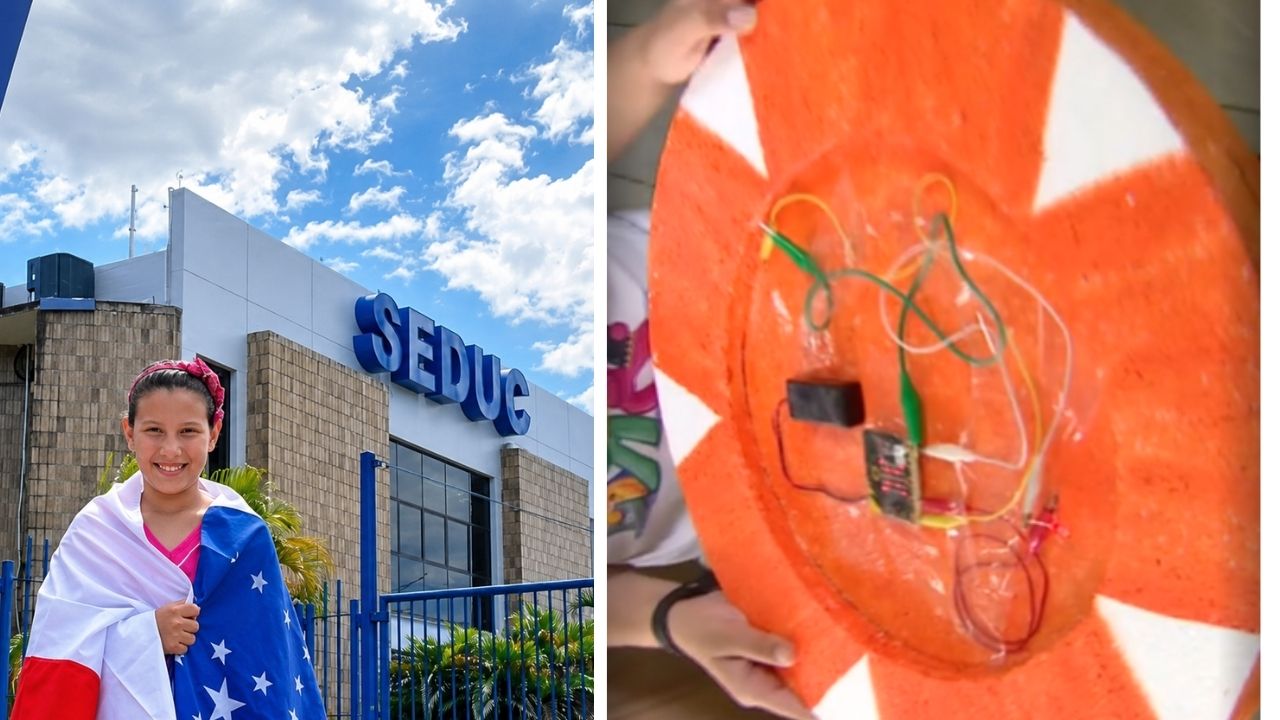
A 10-year-old girl in Manaus created a styrofoam buoy with a sensor to detect trash in streams, became the sole representative from Latin America in an international challenge in London, and turned the pollution she saw near her home into a sustainable invention.

-
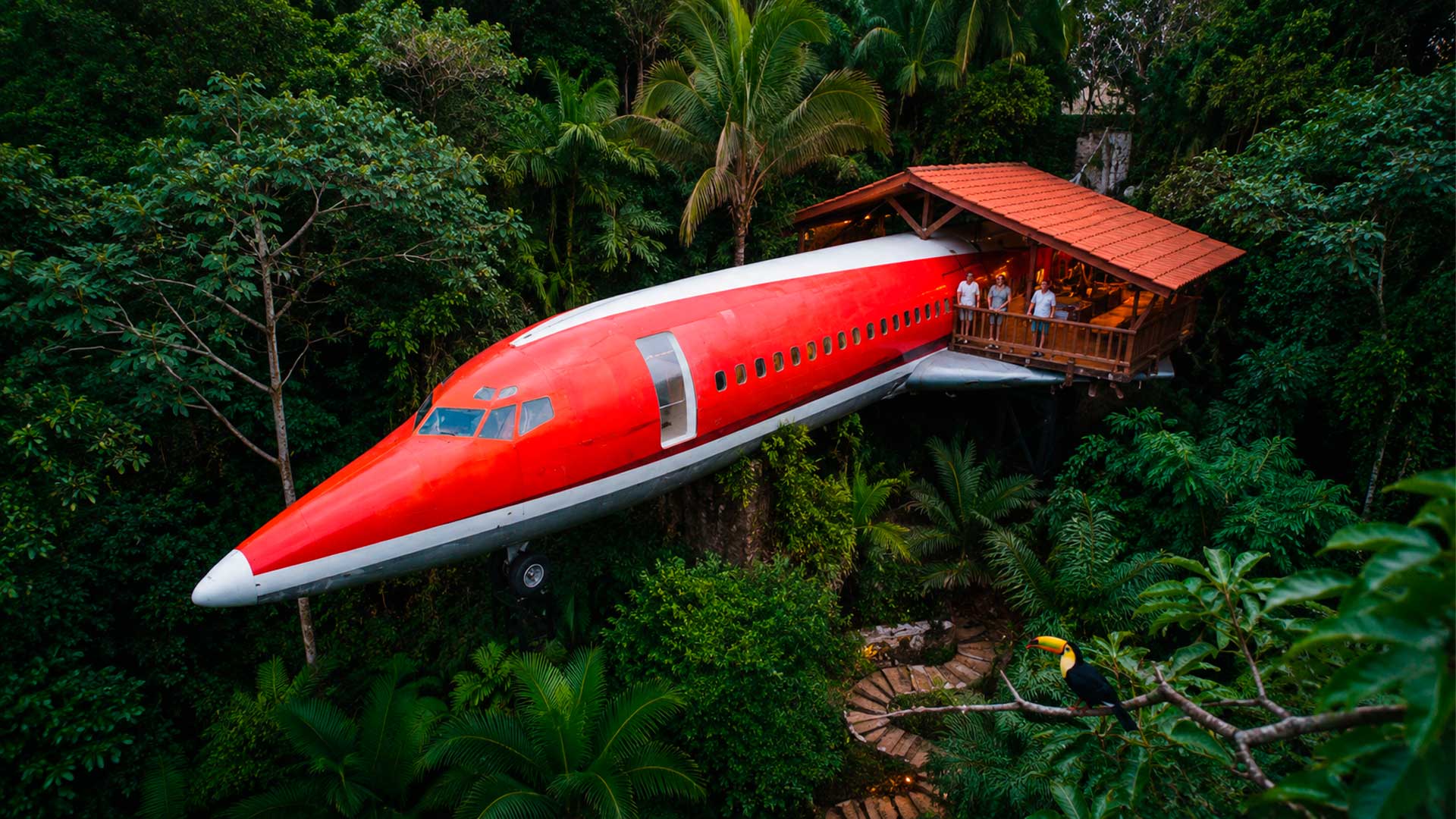
It was neither a crash nor abandonment; this retired plane left the airport in parts, crossed Costa Rica on trucks, and ended up becoming a suite in the heights with daily rates exceeding R$ 2,000.

-
She panicked when she saw her daughter fall from the crib; years later, she turned the experience into a factory generating R$ 9 million per year.

-
At 75 years old, João José de Carvalho, known as Mr. Janjão, was accepted for the second time by Sisu after overcoming distance, physical limitations, and years away from school, to fulfill his dream of studying Biological Sciences at UFPI.


Which Neighborhoods Will Be Part of the Southwest Zone
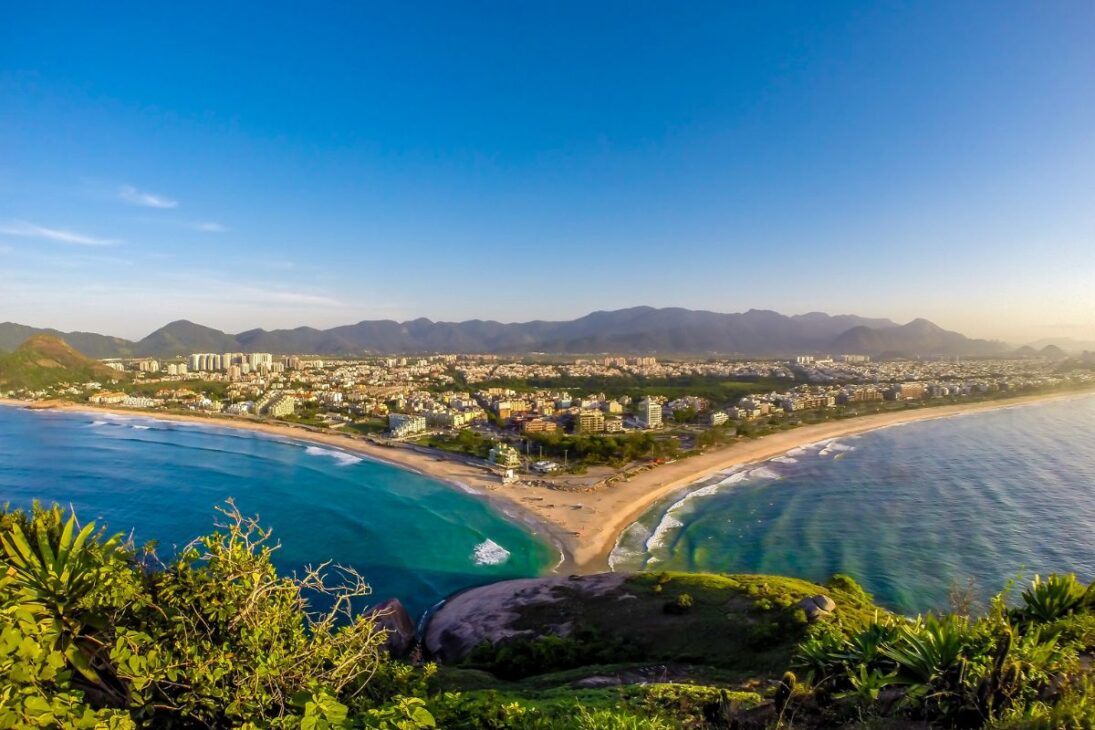
According to the proposal, the new Southwest Zone will be composed of neighborhoods that currently belong to administrative regions XVI, XXXIV, and XXIV. In practice, this will include areas ranging from Barra da Tijuca to more traditional regions like Praça Seca.
The complete list includes Anil, Barra da Tijuca, Camorim, Cidade de Deus, Curicica, Freguesia, Gardênia Azul, Grumari, Itanhangá, Jacarepaguá, Joá, Praça Seca, Pechincha, Rio das Pedras, Recreio dos Bandeirantes, Tanque, Taquara, Vargem Grande, Vargem Pequena, and Vila Valqueire.
If the project advances, these neighborhoods will gain their own administrative division, with the expectation that this will help direct public investments and local infrastructure more strategically.
What Motivates the Creation of the New Zone
According to Councilor Dr. Gilberto, the central goal of the new division is to ensure more balanced and sustainable urban development. “The new division aims to guide urban expansion and the spatial distribution of the population to guarantee economic, social development, and environmental balance,” he stated in the justification for the project.
Moreover, the legislator argues that the change will allow the resources collected in these neighborhoods to more effectively return in investments. “It is only fair that the resources collected in these neighborhoods return in the form of new and essential investments,” says another excerpt from the proposal.
The idea is that, with a dedicated administrative structure, it will be possible to improve services such as public transport, security, urban infrastructure, and municipal agencies’ assistance to the population.

What Current Legislation Says and What the Next Steps Are
The proposal for the Southwest Zone is based on Municipal Law 7.026/2021, which established the current configuration of the West Zone. The new division, if approved, will follow the same legal logic and will take effect from the date of publication of the law.
For now, the project does not change the responsibilities of the regional superintendencies, which will continue to perform their functions normally. However, the creation of the new zone could, in the future, pave the way for a broader restructuring of public management in these areas.
The project will be analyzed by the councilors in plenary in the coming days and, if approved, Rio de Janeiro will officially have a fifth geographical zone. The debate surrounding the proposal promises to be intense, as it involves issues of urban planning and resource management in strategic regions for the city’s development.






Boa noticia, mas vamos ver como serão tratadas as questões da segurança (presença das facções na área) e planejamento urbano (saneamento e transporte, principalmente). Os recursos da Prefeitura são os mesmos…