Portuguese
  Spanish


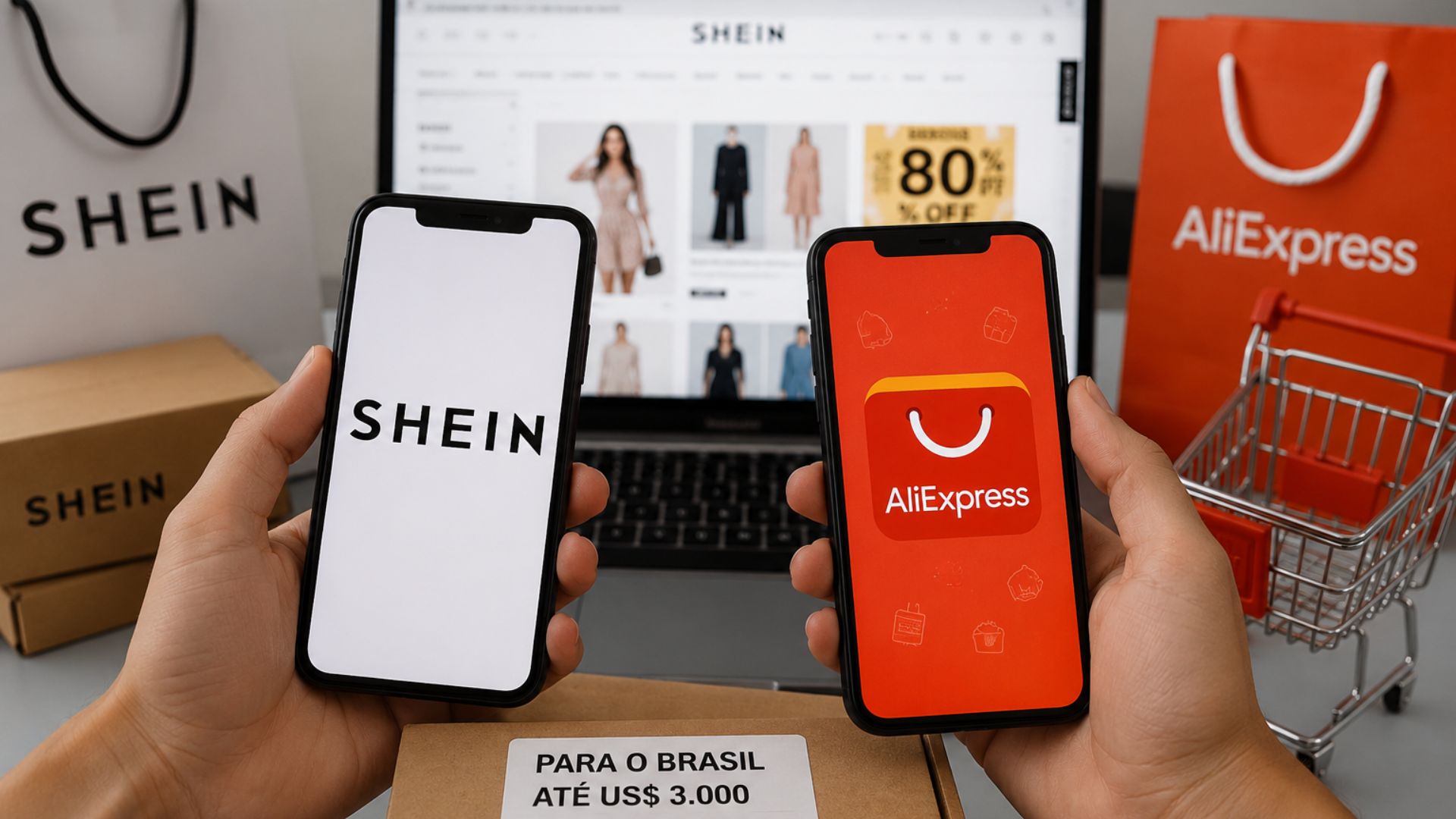

Government eliminated tax for international purchases up to US$ 50 and reduced taxation for shipments up to US$ 3,000 on sites like Shein and AliExpress.
On May 13, 2026, the federal government published a Provisional Measure that once again changes the rules for international purchases made on platforms like Shein and AliExpress. The measure eliminated the federal import tax on international orders up to US$ 50 within the Remessa Conforme program, ending the charge that had become popularly known as the “blouse tax.”
But the aspect that caught the most attention among consumers and e-commerce specialists was not just the return of the exemption for smaller purchases. The same PM also paved the way for a significant reduction in taxation on higher-value international shipments, including orders up to US$ 3,000 made through the Remessa Conforme.
The change reignited Brazilians’ interest in international platforms and once again highlighted the impact of Chinese e-commerce on national retailers, international logistics, and federal revenue.
-
Former Marketing Agency Owner Thrives on Foraging for 250 Days, Sampling Over 170 Plants, and Says He No Longer Remembers Supermarkets

-
IKEA’s AI Handles Nearly Half of Customer Calls, Company Reassigns 8,500 Staff as Design Consultants, Boosting Revenue by €1.3 Billion
-
Owner of Havan Visits Paraguay to Discuss Lower Taxes, Local Suppliers, and International Expansion with President

-
Brazilian Construction Retail Chain Closes After 60 Years, Begins Liquidation Sale Across Five Cities




Provisional Measure signed by Lula eliminated federal tax on international purchases up to US$ 50
The so-called “blouse tax” began to gain traction in 2024 after changes in the rules of the Remessa Conforme program, created by the Federal Revenue to increase oversight of international e-commerce. The system required partner foreign platforms to collect taxes at the time of purchase and send data in advance to Brazilian customs.
With the new Provisional Measure published in an extra edition of the Official Gazette of the Union, the government once again allowed a zero rate of the federal import tax on international purchases up to US$ 50 made by individuals within the program. The measure came into effect immediately on May 13, 2026.


According to Agência Brasil, the government argues that international e-commerce underwent greater regulation after the implementation of the Remessa Conforme and that tracking and oversight mechanisms significantly reduced fraud and smuggling.
The Federal Revenue had previously informed that companies participating in the program send order information in advance, allowing faster clearance and greater control over taxation and the entry of goods into the country.
International purchases between US$ 51 and US$ 3,000 also saw significant tax reduction
The less publicized detail of the Provisional Measure appeared precisely in the intermediate value shipments. According to the text cited by outlets like Exame, Broadcast/Estadão, and InfoMoney, the government opened the possibility for reducing the federal import tax rate from 60% to 30% on international purchases up to US$ 3,000 made via postal shipment within the Remessa Conforme program.
In practice, this means that products above the US$ 50 range can also have significant tax reductions compared to previous rules. The text of the MP provides that the government may apply a zero rate for shipments up to US$ 50 and a 30% rate for orders up to US$ 3,000 within the program.
Before the change, international purchases above US$ 50 could face a federal tax of 60%, even though there was a deduction mechanism in some cases of the Remessa Conforme. With the new rule, the percentage potentially drops by half for a large part of these operations.
Shein, AliExpress, and other platforms may gain new momentum after rule change
The return of the federal exemption immediately reignited the debate about the competitiveness of the national retail sector against international platforms.
Companies like Shein Brazil, AliExpress Brazil, and other Asian e-commerce giants have grown strongly in recent years precisely by offering low-cost products to Brazilian consumers.

With the increase in taxation in 2024, some consumers reduced small-value international purchases, mainly due to the impact of the federal tax combined with ICMS. The new change may stimulate this market again, especially among lower-income consumers who use these platforms for clothing, accessories, cheap electronics, and household items.
According to a report by Exame published on May 13, 2026, the new MP was received with strong repercussion among consumers precisely because it reduces costs both on smaller purchases and on more expensive shipments.
Remessa Conforme program remains a central piece for international purchases in Brazil
Even with the tax reduction, the Remessa Conforme program remains a central element of the government’s strategy to control international e-commerce. Created by the Federal Revenue, the system certifies foreign companies that agree to follow specific rules of transparency and anticipation of fiscal data.
According to the Federal Revenue, the main operational advantage of the program is to allow order information to reach the Brazilian customs system earlier, speeding up customs clearance and reducing prolonged holds.
In practice, consumers usually see the taxes already included at the time of purchase on platforms participating in the program. This reduces later surprises and improves the predictability of final costs.
The economic impact of the measure can be significant because it simultaneously alters two important segments of international e-commerce: small popular consumer purchases and intermediate orders of higher added value.