






 Portuguese
  Spanish


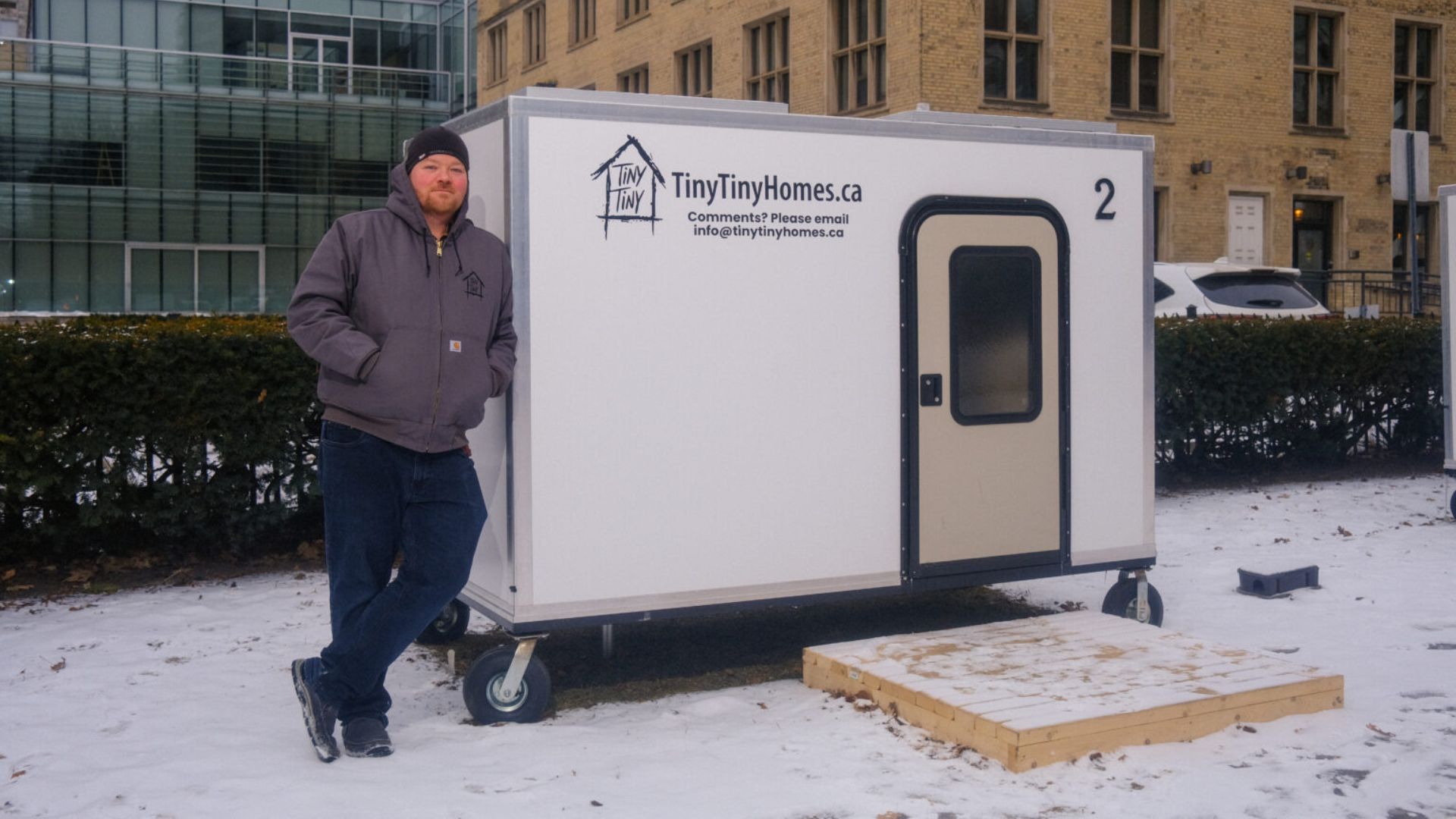


The Canadian Ryan Donais, from Toronto, builds mobile homes attached to bicycles to take homeless people out of the cold. He created a non-profit organization called Tiny Tiny Homes. Each unit has a bed, running water, electricity, heating, and safety items, costs around R$ 65,000, and can circulate on the city’s bike paths.
Unsettled by seeing people sleeping on the streets winter after winter, the Canadian Ryan Donais, a resident of Toronto, decided to take matters into his own hands. He started building small mobile homes attached to bicycles to provide shelter for homeless people and protect them from the cold.
Each of the mobile homes functions as a small home on wheels: it has a bed, running water, electricity, and heating, as well as a smoke detector, carbon monoxide detector, and fire extinguisher. Ryan Donais started building the shelters in 2024 and has already constructed three units, partially funded by a virtual crowdfunding campaign.
Why Ryan Donais started building mobile homes
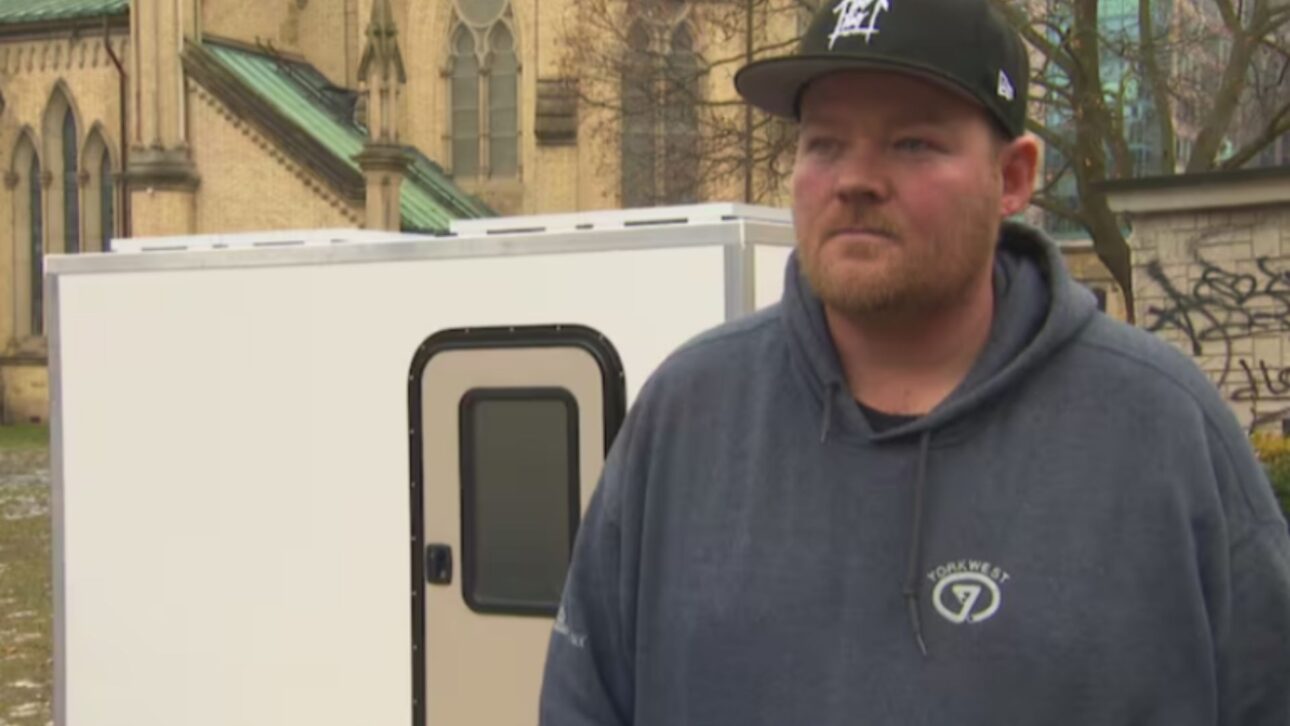
The motivation arose from a personal discomfort. Ryan Donais says he couldn’t bear the idea of being well while seeing so many people exposed on the streets, year after year, without anything changing. With over 15 years of experience in construction, he decided to turn this restlessness into concrete action and design a shelter to take these people out of the elements.
-
How to Prevent Brown Recluse Spider Bites: Common Hiding Spots and Free Tips to Reduce Risks

-
Natto: The Unusual Japanese Superfood Gaining Popularity on Social Media and Driving Record Exports
-
Brazilian Mayor Goes Undercover as Homeless for 24 Hours to Assess Public Services

-
15-Year-Old Entrepreneur Malu Lira Publishes 20 Children’s Books on Financial Education, Earns $500,000, and Expands Her Project to the Amazon Rainforest




The cause also has a personal side. In interviews, he has already reported that a brother struggles with addiction and lives in a street camp, which made the problem even closer.
For him, “tents are for camping, not for living,” and no one should spend the winter outdoors in Toronto. He paid for the first model out of his own pocket and then turned to an online fundraiser, which raised tens of thousands of dollars to buy materials.
What mobile homes attached to bicycles are like
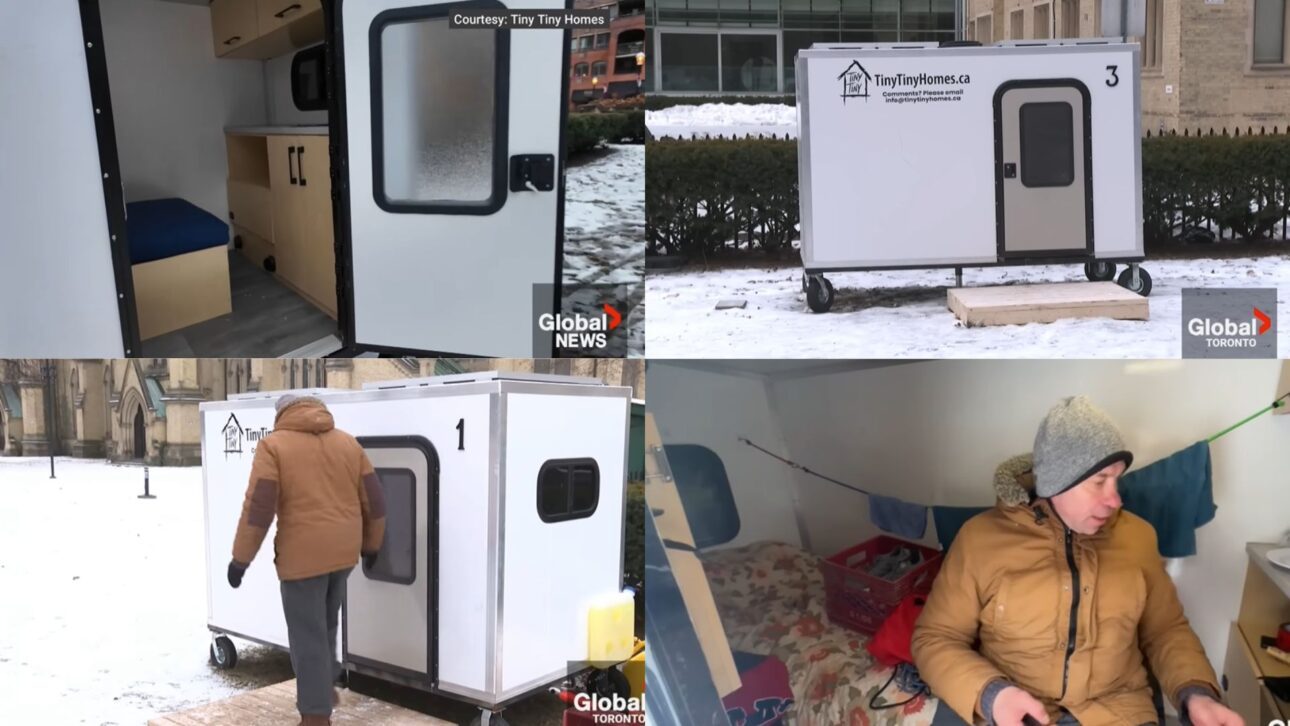
The project’s differential lies in mobility. The mobile homes are attached to bicycles, allowing a single person to move them when necessary.
Each unit is thermally insulated, weatherproof, and waterproof, using fiberglass panels and aluminum angles instead of plywood. Inside, there is a bed, a sink with running water, solar-powered electricity and heating, as well as safety items like smoke and carbon monoxide detectors and a fire extinguisher.
The cost of each shelter is around US$ 10,000, approximately R$ 65,000, and the first prototype took about 80 hours to be ready.
An important detail: Ryan Donais designed the units following Ontario’s e-bike regulations, the province where Toronto is located, so that the mobile homes can legally circulate on bike paths if they need to be moved. Thus, the resident is not stuck in one spot in the city.
The inspiration from Khaleel Seivwright and the fear of removal
The idea didn’t come out of nowhere. Ryan Donais was inspired by carpenter Khaleel Seivwright, who during the Covid-19 pandemic built over a hundred wooden shelters for homeless people in Toronto, until the city removed them citing fire risk.
Donais even spoke with Seivwright and identified points that could be improved, making the shelters safer and more comfortable.
It was precisely to avoid the same fate that he bet on mobility and safety equipment. Since the mobile homes are attached to bicycles and can be moved, the expectation is to reduce friction with the authorities.
When contacted, the city stated it is aware of the units and is analyzing the situation, but so far, according to Donais, there have been no problems.
A temporary relief, not the definitive solution


It is important to clarify the limit of the initiative. The mobile homes were not designed to be permanent housing, but to offer immediate protection to those on the street.
“Housing is the answer,” often says Ryan Donais, who registered the non-profit organization Tiny Tiny Homes to be able to build more units and expand the project’s reach.
In practice, the impact is already visible. Terra Sawler, who has been living in one of the units for over a month, says that after burning two tents trying to keep warm, she found a safer place and started sleeping well again, something rare for those who spend nights on the street.

Even so, balance is important: this is an individual and emergency response to a broad housing crisis, which involves public policies, and not a structural solution for the homeless.
Mobile homes on bicycles, with a bed, heating, and running water, show how a good idea can offer dignity to those who need it most, even if temporarily.
Tell us in the comments if you think initiatives like Ryan Donais's should be supported by cities or if the path is to demand permanent housing from the public authorities.








This man is an angel. The governors of ex: Calif., New York, Chicago should reach out to him. They spend billions of dollars on removal of homeless camps and then all support services are disconnected because the services cant contact their clients. With these bike homes it will not be impossible to connect the services with the client. For 1 Billion dollars we could get hundreds of people off the streets and reconnected to the appropriate services. It figures some one in Canada would come up with this fabulous and cost effective way to deal with homelessness. God Bless you Ryan
In this complex world between the have and have not and the unfavorable games of governance and legislation against the down troden thatis turning the world into a kind of **** jungle of George owell novel it is commendable to note that some people were trying to make difference more grace to your elbow keep it up God is watching and he is the reward er
Earth-bag & Dome homes would be ideal, affordable, inclement weather safe, energy efficient and sustainable.