






 Portuguese
  Spanish


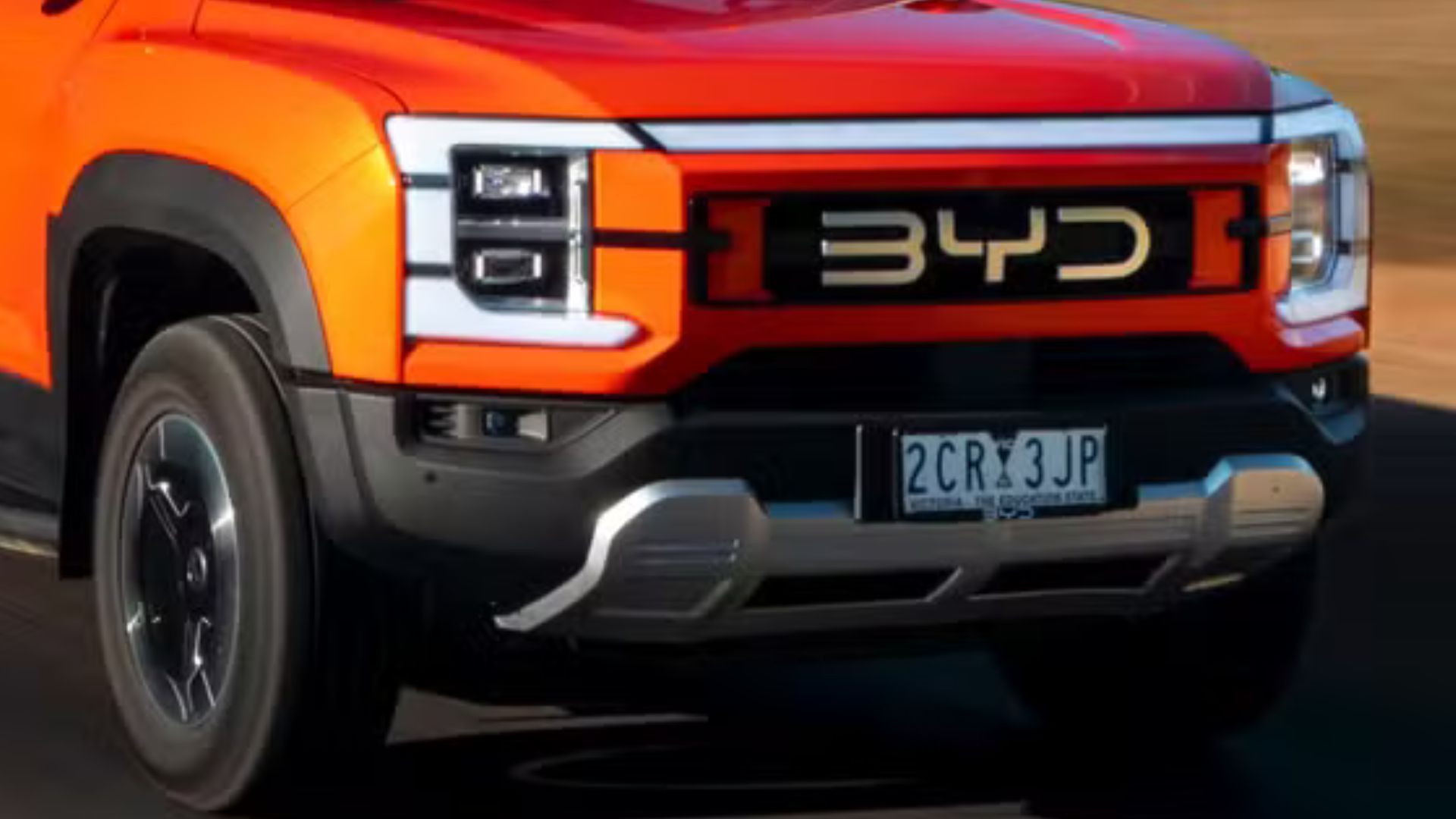


Most powerful version of BYD’s pickup arrives in the Australian market with a new engine and increased towing capacity, but reveals a change that divides opinions among segment enthusiasts.
BYD announced a significant update to the Shark catalog for the Australian market, with the arrival of the Performance version, the top-of-the-line medium pickup that debuted in the country a few months ago and had already been accumulating requests for a more powerful variant from local consumers.
The new configuration addresses one of the main demands of the public, delivering a plug-in hybrid DMO set consisting of a 2.0 turbo gasoline engine with 245 hp combined with two electric machines, resulting in a total power of 475 hp and torque of 71.3 kgfm — figures that clearly place the Performance above the other variants in the lineup.
For comparison, the other Shark versions — including the models sold in Brazil — use the PHEV set with a 1.5 turbo gasoline engine with 183 hp, accompanied by the same electric units, delivering 437 hp of total power and 65 kgfm of torque, figures that were already considered high for the segment.
-
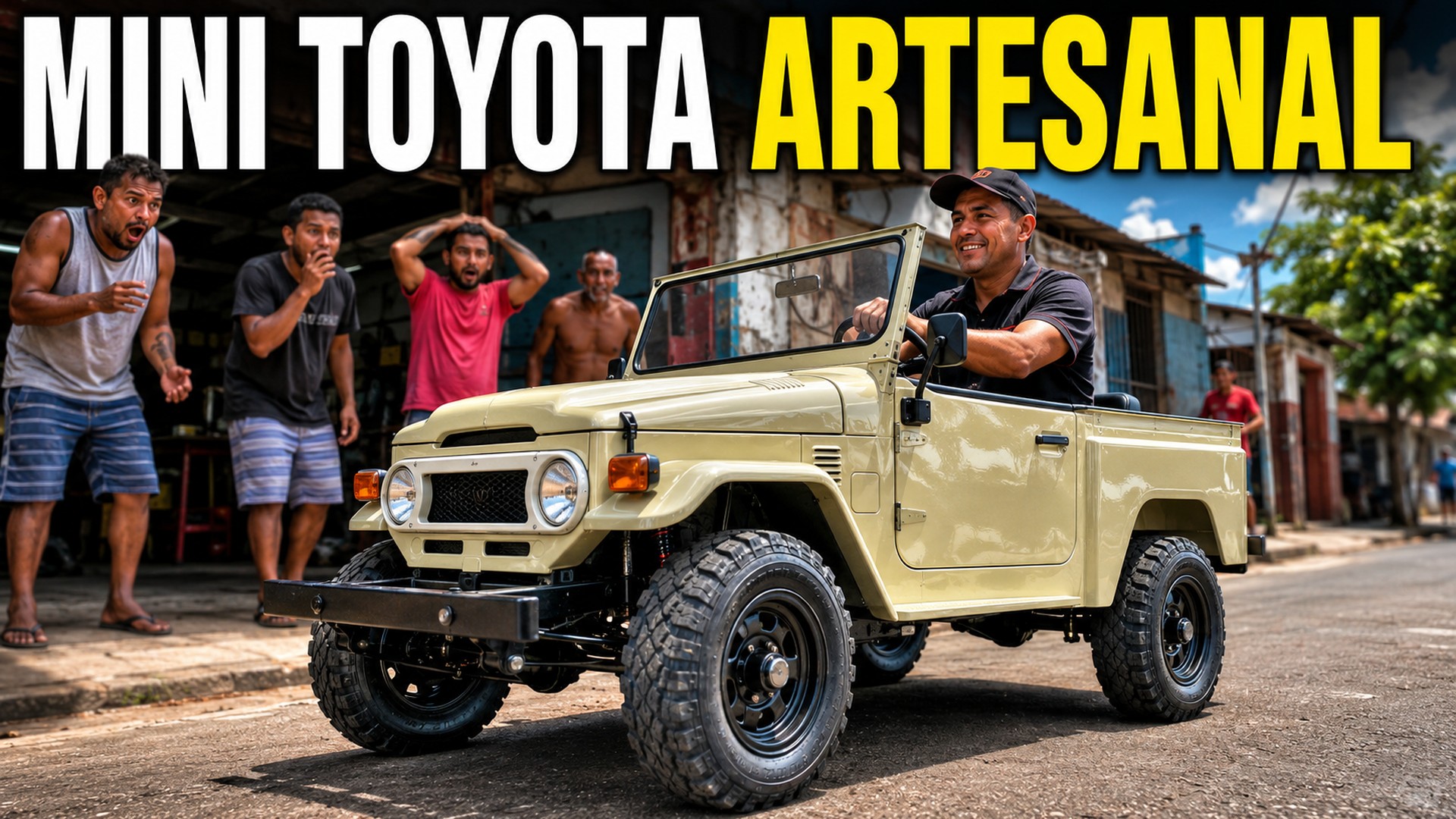
It looks factory-made, but it came out of a workshop: a mechanic from Pernambuco builds a handcrafted “mini Toyota,” drives it through the streets, and the video goes viral on social media, leaving residents astonished.

-
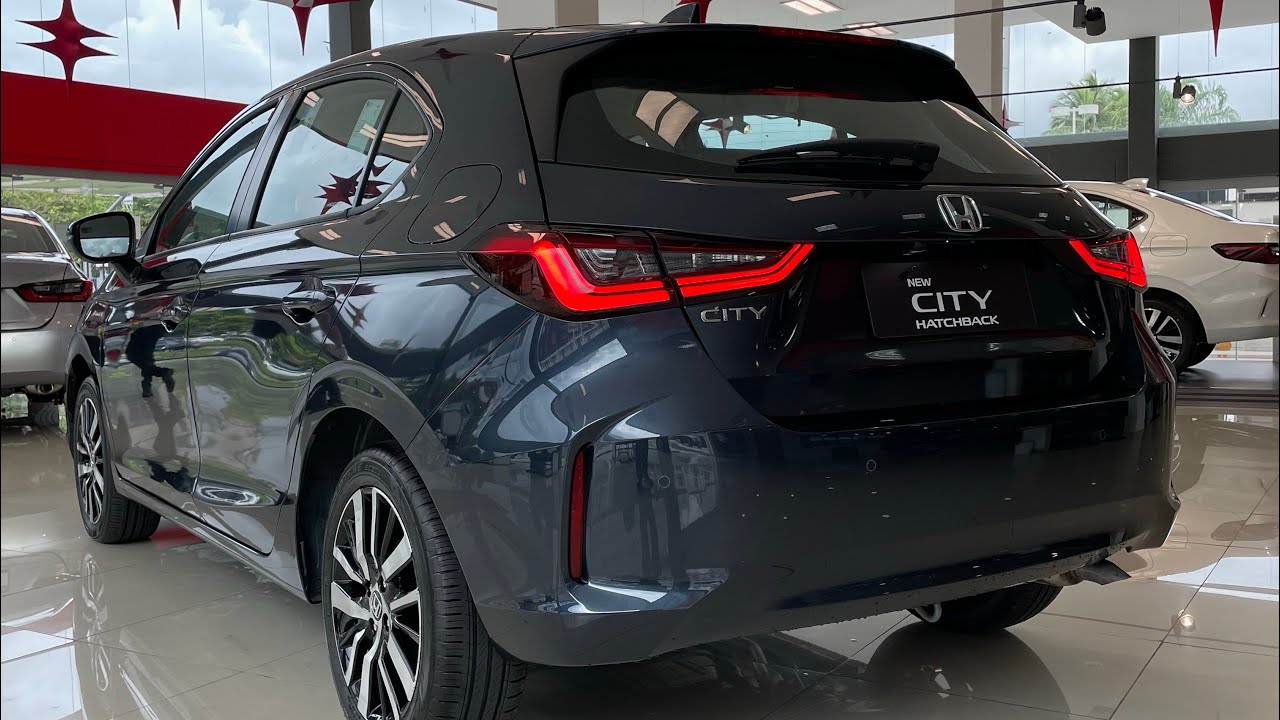
Hatch with sedan space and 1.0 car consumption: equipped with a 1.5 engine with 126 hp, CVT transmission with seven simulated gears, and consumption of up to 17.4 km/l, this used Honda delivers technology, comfort, and reliability; meet the 2022 Honda City Hatch Touring.

-
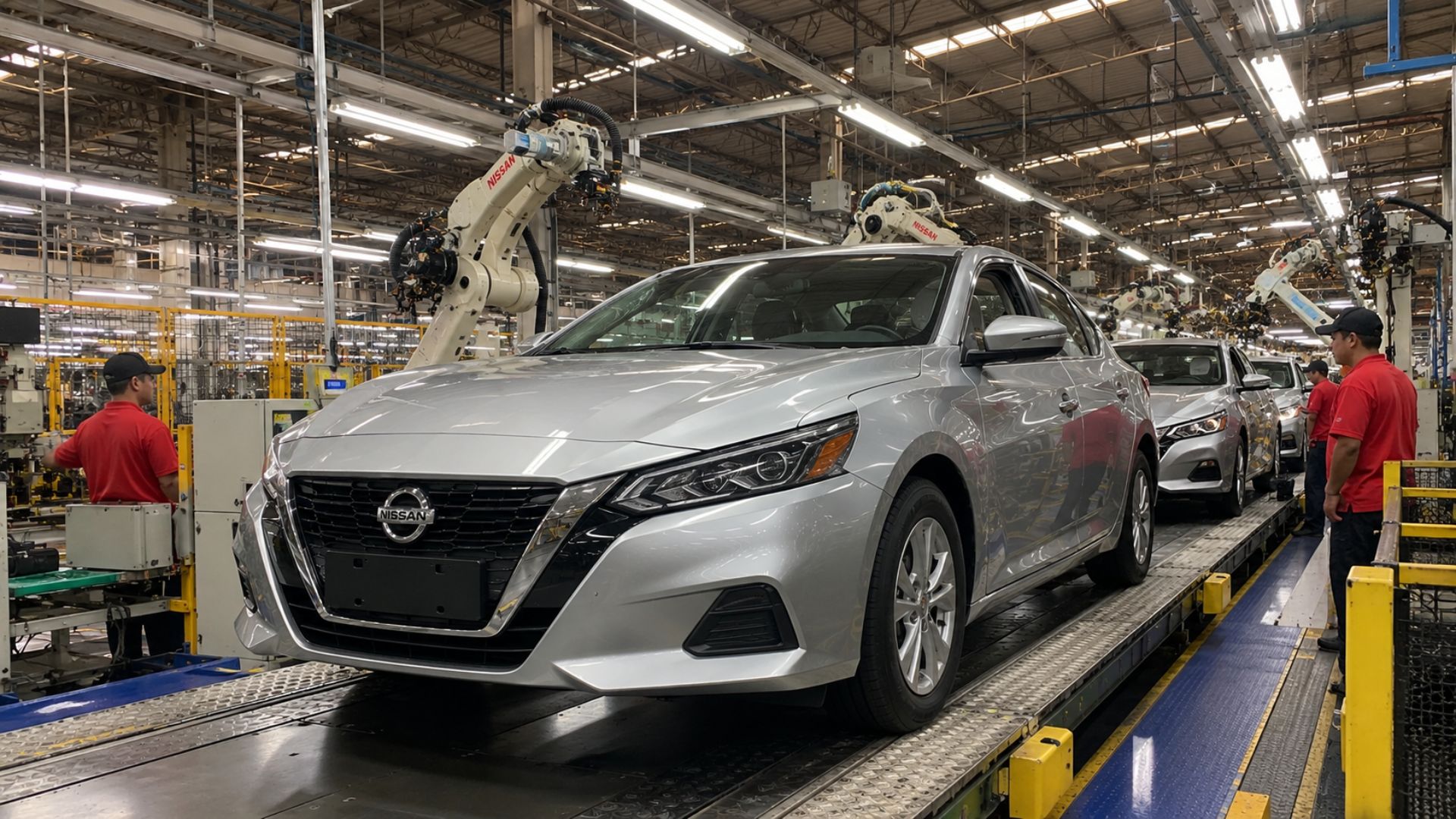
End of an era in Brazil: beloved sedan by Brazilians is discontinued despite having a 2.0 engine with 151 hp, CVT transmission, 466-liter trunk, and up to 650 km of range.
-
New Law Proposal in Brazil Could Heavily Penalize Drivers: Dangerous Overtaking May Become a Serious Offense with Fines Increased Tenfold and a 12-Month License Suspension; Update on 2026 Progress



The arrival of the Performance variant to the Australian portfolio is interpreted by the brand as a strategic step in a market that strongly values the towing capacity of pickups, a criterion that often decides the purchase in countries like Australia, where recreational use of trailers and boats is widely spread among segment buyers.
BYD also invested in additional details in the interior finish of the Performance version, visually differentiating it from the other configurations in the lineup and reinforcing its positioning as the most complete and sophisticated option in the Shark catalog in the country.
Towing capacity increases, but payload decreases
The most significant gain of the Shark Performance compared to the 1.5 engine versions is in the towing capacity, which jumps from 2,500 kg to 3,500 kg, reaching the usual standard of the category and eliminating one of the most criticized points by buyers of previous versions, who saw the towing limitation as a relevant obstacle for more intensive use of the pickup.
The acceleration from 0 to 100 km/h also showed improvement, with the time dropping from 5.7 seconds in other variants to 5.5 seconds in the Performance, a number that, although a small difference in absolute terms, reinforces the feeling of greater vigor from the more powerful powertrain.

However, the arrival of the 2.0 engine brought an unwelcome consequence: the payload capacity dropped from 825 kg to 752 kg in the Australian certification, a reduction directly attributed to the increased weight of the powertrain, which made the vehicle go from 2,675 kg to 2,738 kg in running order.
The brand explained that the reduction was inevitable given the weight increase caused by the larger engine, and that the Performance configuration was developed prioritizing towing capacity over payload, a choice that reflects the more common usage profile identified by the company among buyers of this type of vehicle in the Australian market.
Payload remains an Achilles’ heel in Brazil
The payload issue, however, is not exclusive to the Performance version — it was already a target of criticism in other variants of the Shark, especially in the Brazilian market, where the pickup carries 790 kg according to national certification, a number well below the standard practiced by direct competitors.
For comparison, all of Shark’s rivals in the medium pickup segment in Brazil have a payload capacity of over 1,000 kg, making this data one of the most used arguments by BYD critics when assessing the model’s competitiveness in the national market.

Curiously, even the Fiat Strada in single cab versions equipped with the 1.3 naturally aspirated engine — a pickup of very different size and purpose from the Shark — carries 720 kg, a number only slightly lower than the BYD pickup, which helps to highlight how much the Shark’s load limitation stands out in the segment it competes in.
From a technical standpoint, the architecture of the Shark remains unchanged in both configurations: both the Performance and other versions are built with a body-on-frame structure, accompanied by independent suspension with overlapping arms and coil springs, both at the front and rear, a set that combines utility features with dynamic behavior close to that of passenger vehicles.
Inside, the Shark Performance distinguishes itself from the others by the absence of the gear lever on the central console — all gear commands have been concentrated on the steering column, freeing up space on the console and giving a cleaner appearance to the interior, in addition to a 15.6-inch multimedia center, larger than the 12.8 inches offered in the versions sold in Brazil.
The update in Australia reinforces BYD’s global strategy to progressively expand the Shark’s portfolio in each market, adapting the catalog to local demands while maintaining the model’s core platform, an approach the brand has been increasingly using in its international expansion in recent years.





payload and ground clearance not enough. Will not do Baboonspass unfortunate