Portuguese
  Spanish


The Rio Waterfront went from beach support to a structured operation by Orla Rio, with 309 kiosks over 34 kilometers, a 30% growth in summer and a plan to maintain movement in winter with the World Cup, gastronomy, technology, brand activations, and experiences for residents and tourists in the city.
The Rio Waterfront is no longer seen just as a strip of sand and a tourist landscape but has become a large-scale business. The company Orla Rio, which originated from the journey of a hot dog cart linked to the Barreto family, now manages 309 kiosks distributed over 34 kilometers of coastline in Rio de Janeiro.
According to a report by Exame, the operation gained new prominence in 2026, after registering a 30% growth last summer and projecting progress also in winter. The bet involves the World Cup, gastronomic experiences, brand activations, technology, and initiatives to keep residents and tourists circulating through the kiosks even outside the high season.
From a beach cart to a network with 309 kiosks
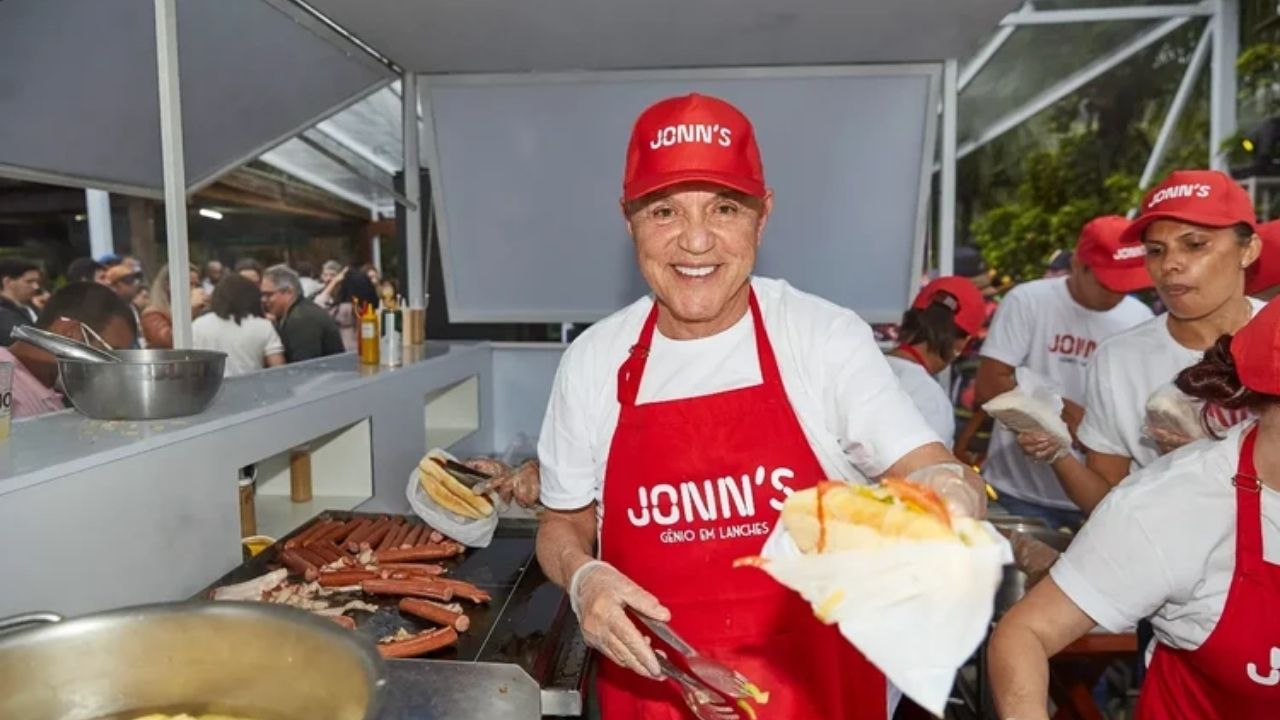
The story began in 1962, when João and Jandyra Barreto started to venture on the beaches of Barra da Tijuca, in Rio de Janeiro. The starting point was simple: bread, sausage, and a hot dog cart in front of a region that was still sparsely occupied compared to the current scenario.
-
Brazilian Civil Servant Earns $2,800 Monthly but Seeks Legal Help as Bank Loans Consume Nearly 80% of Income

-
Brazilian Pet Industry Giant with $6 Billion Valuation Targets 24 Million Customers, Launches Franchise Model with Six Revenue Streams and $7.80 Subscription Plan for National Expansion

-
Daughter of a Mechanic, Roberta Pirolla Turns Passion for Cars into a Million-Dollar Vehicle Wrapping Business Set to Grow 75% in a Male-Dominated Industry

-
At 30, Thyago Plácido turned Innova into a solar energy operation serving central Brazil with over 300 projects completed.


Over time, the business gained its own brand, expanded the model, and began to support other beach vendors with structure and supplies. What started as a street sale ended up transforming into an organized operation on the Rio Waterfront, helping to change how Carioca kiosks would be viewed in the following decades.
Beach stopped being just leisure and became a business platform
Between 1970 and 1990, the operation managed to gather hundreds of trailers and minibars. Later, with the advancement of professionalization of beach commerce, the structure evolved into a more standardized model, connected to the concession that gave rise to the company Orla Rio.
The change also transformed part of the former informal workers into entrepreneurs with a CNPJ and a defined space along the Rio de Janeiro coastline. The Orla of Rio began to function not only as a support point for beachgoers but as an environment for consumption, tourism, gastronomy, and urban experience.
Growth in summer reinforces new phase of kiosks

Last summer, Orla Rio recorded a 30% growth compared to the previous year. The performance reinforced the strategy of treating the kiosks as destinations, not just as places for quick purchases of drinks, snacks, or convenience products.
Today, the spaces bring together different proposals. There are kiosks focused on practical service, others with specific cuisines, options aimed at experience, and units that host music and special programming. This diversity helps bring Orla do Rio closer to both tourists and city residents.
World Cup becomes a bet to heat up the winter
The next challenge is to maintain movement during the winter, a traditionally weaker period for beach tourism. For this, the company is betting on the World Cup as an attraction engine, with game broadcasts, themed menus, DJs, and experiences designed for before, during, and after the matches.
The expectation informed by the operation is to grow 20% compared to the previous winter. The strategy shows a clear attempt to reduce dependence on summer and transform Orla do Rio into an active space throughout the year, even in months with lower beach traffic.
Brands see kiosks as an experience showcase
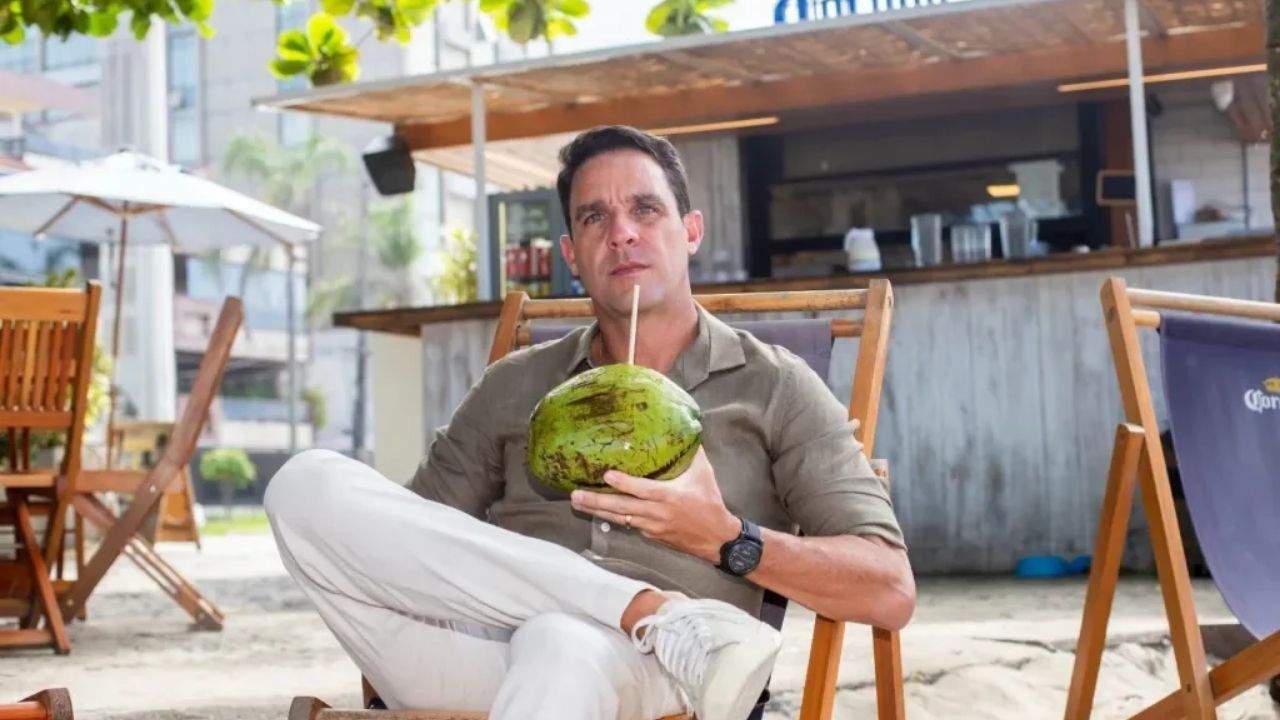
Another point that gained strength was the presence of brands in the kiosks. The activations are no longer concentrated only in food and beverage companies and have come to involve various segments, such as beauty, technology, retail, and services.
According to the company, about 15 different segments have already carried out actions in the kiosks this year. For brands, the Orla do Rio offers direct contact with the circulating public, a leisure atmosphere, and the possibility of transforming consumption into an in-person experience.
Technology and standardization enter the operation routine
Managing more than 300 kiosks requires control, training, and constant adaptation. The company works with operator training, quality seals, and criteria related to service, management, infrastructure, and customer experience.
Technology has also started to play an important role. In 2022, the kiosks received free Wi-Fi. In 2025, equipment was installed to detect sound waves and issue alerts when levels exceed limits allowed by law. The Orla do Rio, in this new model, combines beach, business, operational control, and urban infrastructure.
Sustainability and events help sustain the movement
The operation has also started to incorporate environmental initiatives and gastronomic events. One of the projects mentioned by the company is Recicla Orla, with 35 voluntary delivery points distributed across the kiosks along the shore.
Furthermore, events like Sabores da Orla help to boost periods of lower tourist flow. The initiative, which reaches its ninth edition, challenges kiosks to create exclusive dishes, snacks, sandwiches, desserts, and drinks, bringing together gastronomy, competition, and experience for the public.
Do you think this transformation improves the experience on Rio’s beaches or does the Orla do Rio risk becoming too commercial? Leave your opinion in the comments.