Portuguese
  Spanish





Discovery made in oysters marketed in Brazil reveals silent advance of antimicrobial resistance, raises concerns about food inspection and exposes challenges that can impact health, economy, and exports
A scientific discovery made in Brazil has raised an important warning signal for health authorities, researchers, and consumers. In August 2025, scientists from the University of São Paulo (USP) and the São Paulo Fisheries Institute identified for the first time in Brazilian foods the bacterium Citrobacter telavivensis, considered by the World Health Organization (WHO) a critical priority threat due to its high resistance to antibiotics.
The information was originally published by the portal The Conversation Brasil, in an article signed by researchers Leonardo Vazquez and Ana Lúcia do Amaral Vendramini, both affiliated with the Federal University of Rio de Janeiro (UFRJ). The study shows that antimicrobial resistance is no longer restricted to hospitals and has already reached the food chain, creating new challenges for global public health.
The food analyzed was fresh oysters purchased in markets in the states of São Paulo and Santa Catarina. Despite the discovery, none of the samples would have been disapproved by the sanitary protocols currently used in the country, which increases the concern of specialists.
-
3,000-Ton, 81-Meter Attack Submarine Begins Sea Trials, Equipped with Heavy Torpedoes and Anti-Ship Missiles

-
Boat Made from 10 Tons of Plastic and 30,000 Discarded Flip-Flops Sails Along African Coast, Serving as a Floating Classroom on Ocean Pollution
-
Welder Discovers 16th-Century Diamond Ring in England After 7 Hours with Metal Detector; Gold Jewel Linked to Edward I Pattern Auctioned for £17,000
-
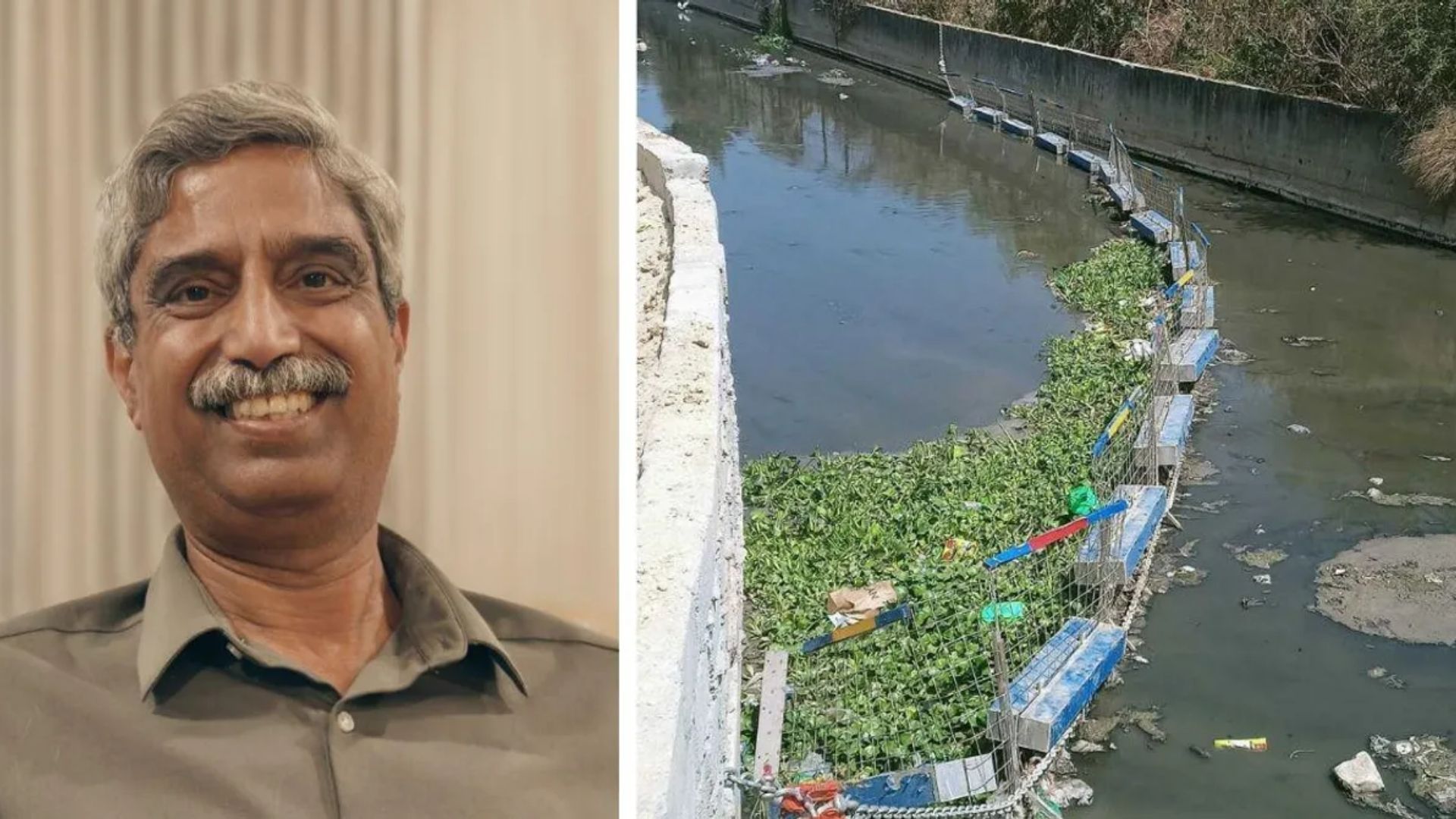
Former Merchant Marine Captain Invents Fuel-Free Barrier, Removes 20,000 Tons of Trash from Chennai Rivers



Furthermore, the researchers highlight that the presence of the resistant bacterium was identified in products considered fit for consumption, highlighting an important gap in the monitoring systems currently used.
Antimicrobial resistance grows and worries specialists worldwide
Antimicrobial resistance is already among the top ten global health threats according to the World Health Organization. In recent years, specialists have observed an accelerated growth of the problem, mainly due to the excessive use of antibiotics in humans, animals, and production systems.
In October 2025, the GLASS report, published by WHO, revealed an alarming fact. One in six bacterial infections recorded between 2018 and 2023 showed resistance to the antibiotics used in treatment. The increase exceeded 40% in the analyzed period.
In light of this scenario, the World Health Assembly approved in May 2025 a new Global Action Plan for the period from 2026 to 2036. The measure recognizes that, without effective interventions, the so-called superbugs could cause up to 39 million deaths per year by 2050, a number higher than current projections related to cancer.
Although much of the discussions on antimicrobial resistance are still concentrated in hospital settings, the most recent data shows a different reality. More and more, these bacteria are present in the environment, food production, and aquatic ecosystems.
Consequently, experts advocate for a broader approach to combat the problem, involving public health, agriculture, livestock, aquaculture, and environmental protection.
Why do oysters reveal hidden problems of the oceans?
Oysters have a biological characteristic that makes them true indicators of environmental quality. These animals are natural filters and continuously pump large volumes of water to obtain food.
During this process, they accumulate in their bodies various elements present in the environment, including viruses, bacteria, drug residues, heavy metals, and other contaminants.
For this reason, many researchers classify oysters as environmental sentinels. In other words, what is present in the water tends to also appear in these mollusks.
In the study conducted in 2025, scientists found not only Citrobacter telavivensis but also strains of Klebsiella pneumoniae and Escherichia coli resistant to antibiotics considered last-generation.
Additionally, 35% of the samples analyzed showed arsenic concentrations above the maximum limit allowed by the National Health Surveillance Agency (Anvisa).
The researchers also identified a phenomenon known as co-selection. In this process, both arsenic and antibiotic residues present in the environment simultaneously favor the development of bacteria resistant to both agents.
As a result, contaminated areas start to function as true incubators of bacterial resistance.
Current protocols were not created to detect superbugs
When fish, mollusks, and other aquatic products reach processing industries, they undergo internationally recognized control systems.
Among them are HACCP, APPCC, and Good Manufacturing Practices. These protocols check temperature, hygiene, general microbiological contamination, and the presence of specific pathogens such as Salmonella and Listeria.
However, there is an important limitation.
Current systems typically do not analyze the antimicrobial resistance profile of bacteria found in food. This means that a product may contain highly resistant microorganisms and still be approved for consumption if the other parameters meet the required standards.
According to experts, this happens because many of these protocols were developed before antimicrobial resistance reached the dimension observed today.
As a result, the standards remain prepared to tackle past sanitary problems, while new risks emerge rapidly.
Biofilms make superbugs even more resistant
Another concerning aspect involves the formation of so-called bacterial biofilms.
Resistant bacteria, such as methicillin-resistant Staphylococcus aureus, can adhere to industrial surfaces, equipment, pipelines, and countertops, forming highly protected structures.
These biofilms function as a kind of biological shield. Within them, bacteria can become 100 to 1,000 times more resistant to antibiotics and also to the chemicals used in industrial sanitation processes.
Research published in 2023 in the scientific journal Bioscience, Biotechnology, and Biochemistry brought promising results in this field.
The study, conducted in collaboration with Professor Fernanda Sampaio Cavalcante’s team from UFRJ-Macaé, demonstrated that an enzyme called lugdulisina can prevent the formation of these biofilms and even destroy already established structures in the laboratory.
Lugdulisina is a metalloprotease capable of degrading the protein matrix that protects the bacteria, making them vulnerable again.
Although the results are still in the experimental phase, they point to a possible biotechnological alternative in combating superbugs.
What needs to change to avoid a bigger crisis?
Experts say there is no single solution to tackle the advancement of antimicrobial resistance.
The problem begins with the use of antibiotics in livestock and aquaculture. Currently, more than 75% of antibiotics produced worldwide are intended for animals.
Additionally, factors such as inadequate sanitation, improper disposal of medications, environmental pollution, and failures in monitoring systems contribute to accelerating the phenomenon.
In Brazil, the Ministry of Agriculture began the second phase of the National Action Plan for the Prevention and Control of Antimicrobial Resistance in the Agricultural Sector in 2023.
The program primarily monitors Salmonella in poultry, swine, and cattle. However, fish, mollusks, and seafood still remain outside this coverage.
In light of this, researchers advocate for three urgent measures. The first is to include seafood in national antimicrobial surveillance programs. The second involves updating food quality protocols to incorporate bacterial resistance testing and more advanced traceability. Finally, the third involves expanding funding for research aimed at developing new technologies, including biological agents capable of combating biofilms.
The presence of superbugs in food not only represents a health issue. It can also directly affect the international competitiveness of the Brazilian fishing sector.
Demanding markets, such as the European Union and the United States, already adopt strict standards related to antimicrobial resistance. Therefore, besides the risk to public health, there is a potential significant economic impact on national exports.
The discovery of Citrobacter telavivensis in Brazilian oysters shows that superbugs are not confined to hospitals. They follow the paths of selective pressure created by human action and, in recent years, have found a new space to develop in the marine environment.
Given this scenario, the question remains: do you believe that current food inspection systems are prepared to face the growing threat of superbugs present in the food chain?