






 Portuguese
  Spanish
  5 min of reading
  17 comments


The brand that was synonymous with cell phones worldwide for two decades has ended smartphone production, survives only in basic phones in India, and has yet to find anyone willing to carry its name on a modern device
Four out of ten cell phones sold worldwide were Nokia. The Nokia 1100, launched in 2003, sold 250 million units, more than any iPhone or Galaxy has ever produced. The Nokia 3310, the famous brick phone, put 126 million devices in the hands of people on every continent. In 1998, the Finnish company was the largest cell phone manufacturer in the world, with revenue of US$ 20 billion per year and control of 40% of the global market.
Today Nokia is looking for someone willing to put its name on a smartphone. So far, no one has appeared.
From paper factory to world leader
Few know, but Nokia did not start by making cell phones. The company was founded in 1865 by engineer Fredrik Idestam on the banks of the Nokianvirta River in southern Finland. The original business was paper manufacturing. The city where the second factory was built was called Nokia, and that’s where the company’s name came from.
-
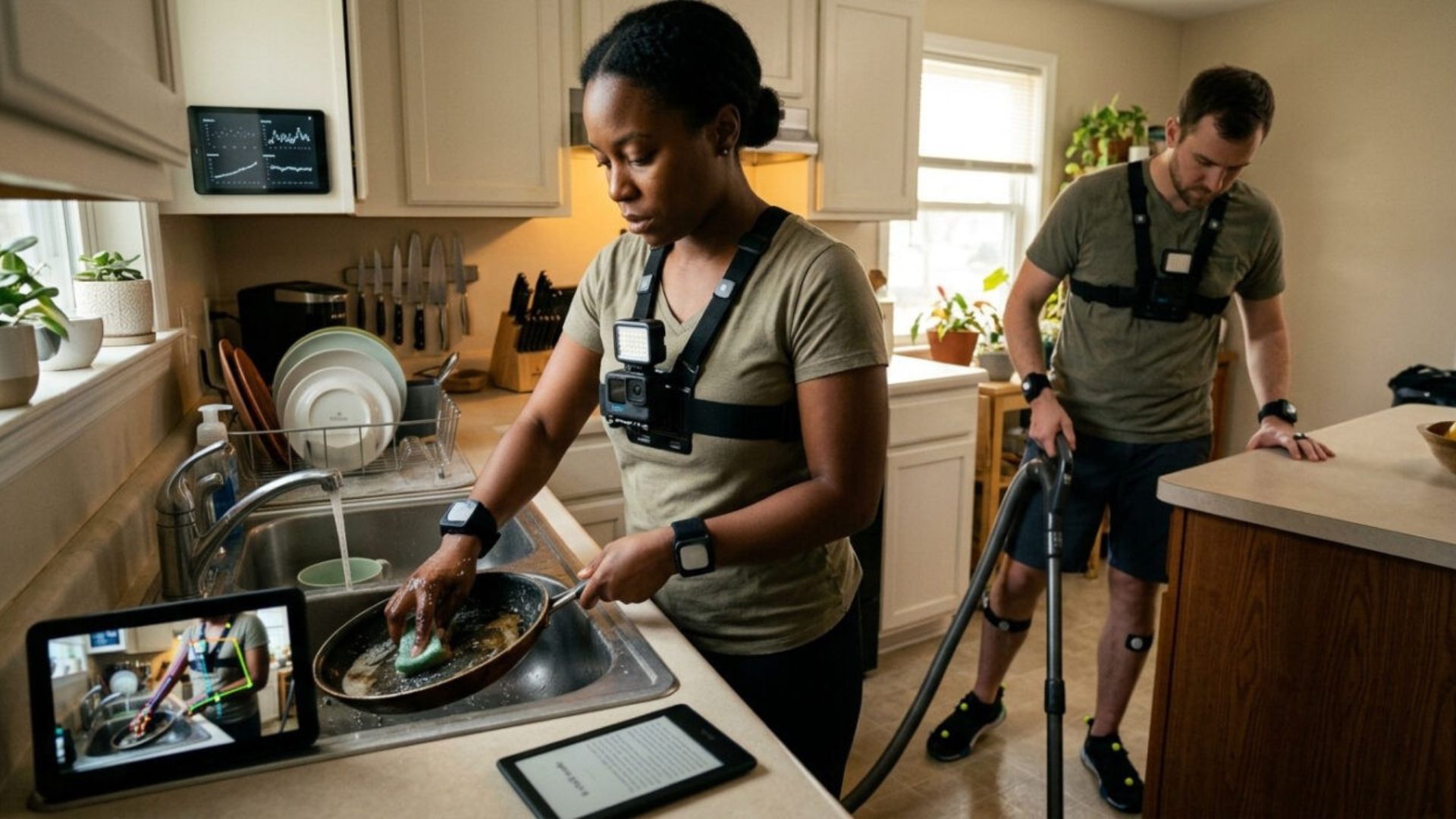
In the USA, thousands of people are being paid to wash dishes and clean the house with body cameras, every movement turning into data to train robots to imitate humans, in a new “digital gig” that could redefine the future of domestic work.

-
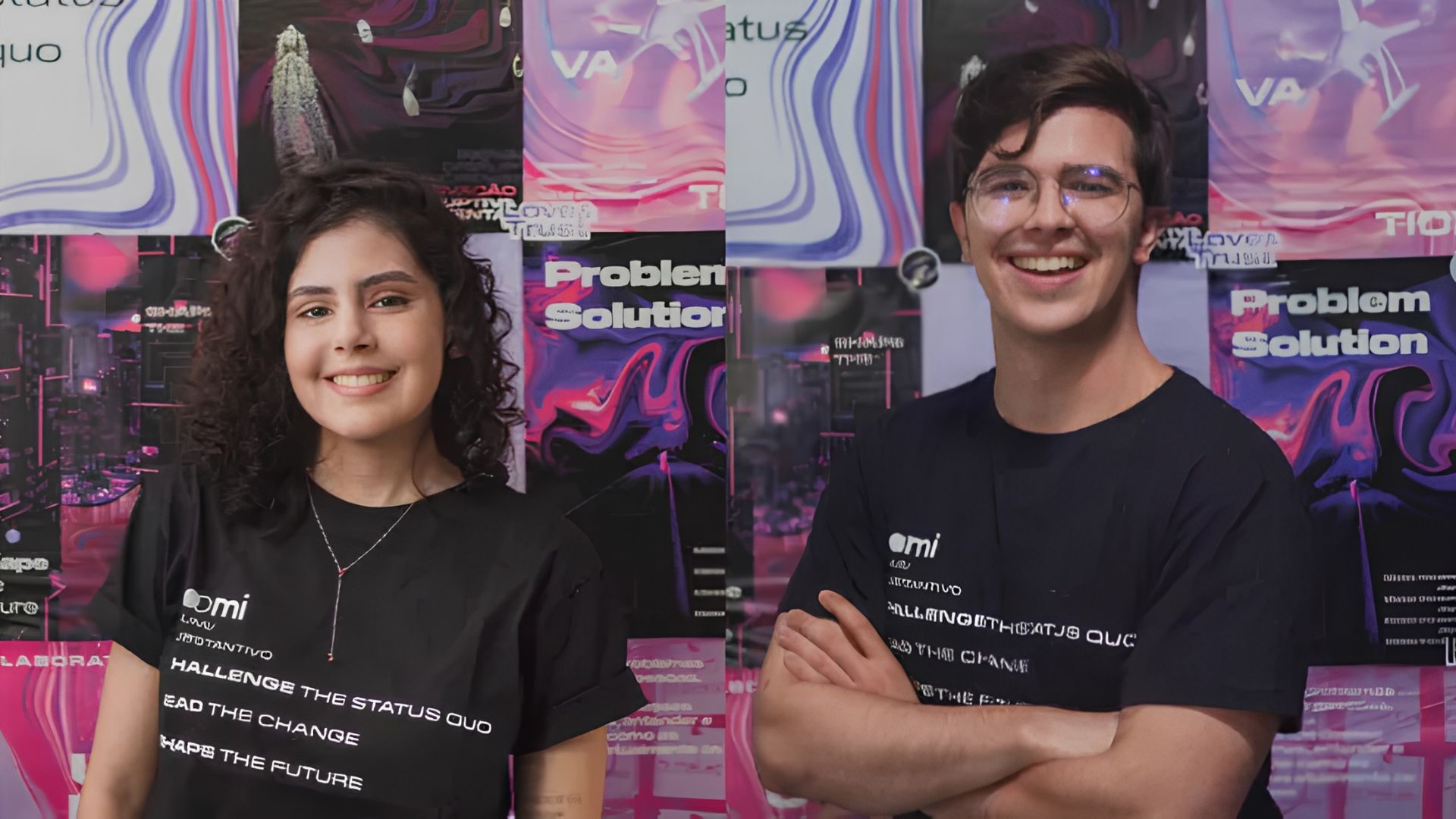
At 22 years old, a young person from Recife creates an artificial intelligence startup with a team barely over 25, serves giants like Bayer and Ipiranga, earns millions without taking a cent from investors, and transforms a young company into a national AI phenomenon.
-
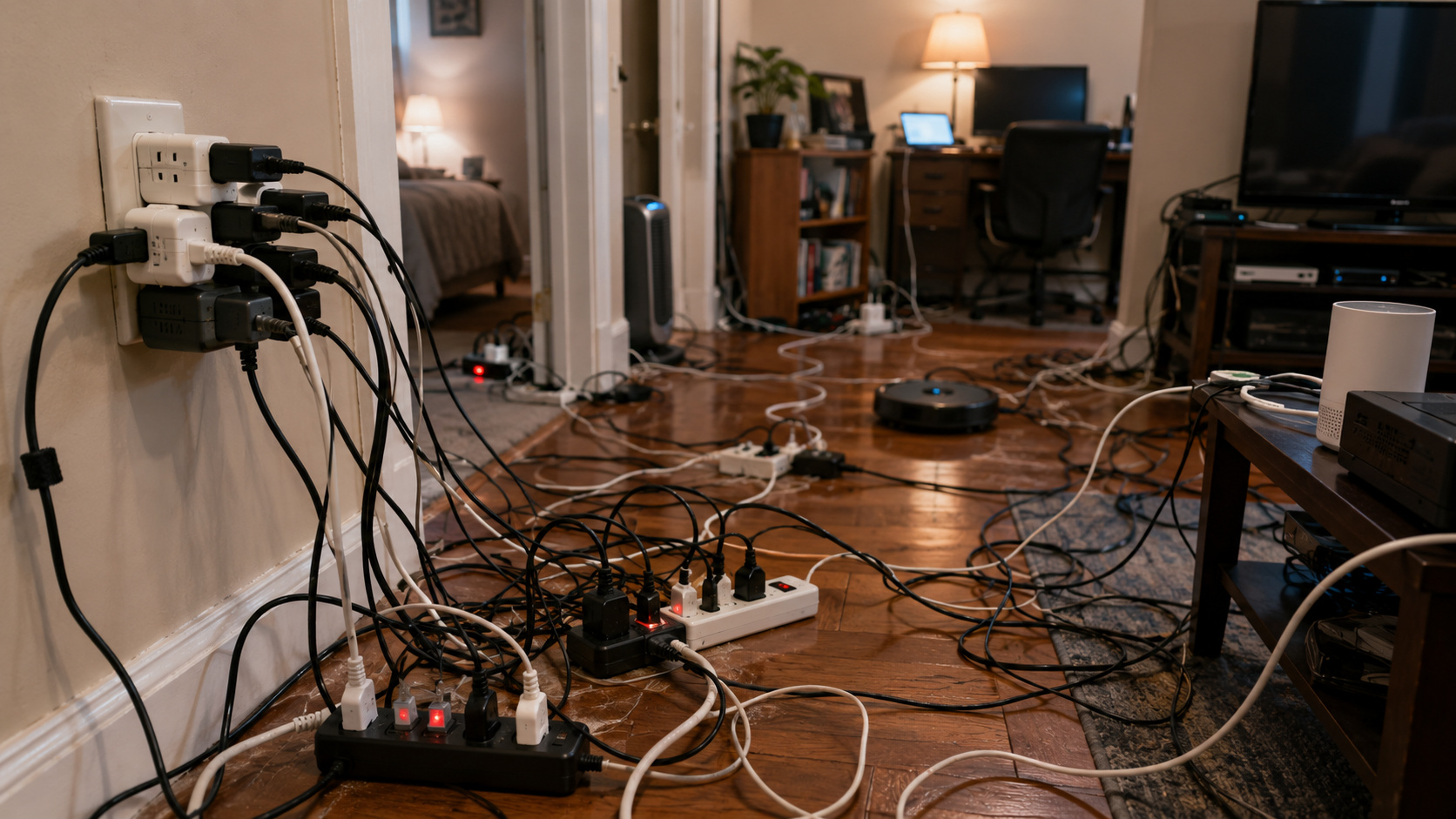
The invisible danger inside the house: plugging too many devices into the same outlet and spreading extensions throughout the rooms can overload the electrical network, silently heat wires, and turn a common habit into one of the leading causes of house fires.

-
Goodbye traditional laundry: Roborock launches washer and dryer with super hydrolysis, microbubbles, 99.99% sterilization, low-temperature drying, automatic detergent, app control, and cycles to remove stains, odors, mites, and bacteria from clothes.


Over the following centuries, the company went through rubber, boots, electrical cables, and televisions. The telecommunications business only gained strength in 1979, and the first real cell phone arrived in 1992, with the launch of the Nokia 1011, the first GSM device in history.
The growth was explosive. In less than a decade, Nokia dominated the planet. Their cell phones were durable, cheap, came with the snake game, and had a battery that lasted for days. In 2000, four out of ten cell phones sold worldwide were Nokia. The Finnish company had gone from a riverside paper factory to leading the greatest communication revolution in human history.

The iPhone and the fall that no one expected
The decline began in 2007, when Apple launched the iPhone. Nokia had technology, had scale, had brilliant engineers and money in the bank, but did not know how to react. While the market migrated to touchscreen displays and apps, the company continued to bet on physical keyboards and operating systems that were already falling behind.
The situation worsened every year. In 2013, with losses accumulating and the stock plummeting, Microsoft bought Nokia’s mobile division for $7.2 billion. The American giant believed it could revive the brand with the Windows Phone system. Two years later, it had destroyed what it bought. Microsoft canceled the projects, laid off thousands of employees, and shelved practically everything.
What brought down Nokia was not just the iPhone. It was the inability to change when the world changed. The company had years to react and still lost.
The last attempt with HMD Global
In 2016, a group of former Nokia executives created HMD Global and signed a ten-year brand licensing agreement. The idea was to relaunch the Nokia name on Android phones, taking advantage of the nostalgia of those who had grown up with the brick phones.
At first it worked. The relaunch of the Nokia 3310 in 2017 generated worldwide excitement. New models were launched at affordable prices, with a clean Android proposal without excessive pre-installed apps. For a while, it seemed that Nokia had found its place.
But the market did not wait. HMD Global never achieved real scale to compete with Samsung, Xiaomi, and the low-cost Chinese brands that flooded the world. In 2024, the company began launching devices under its own brand, gradually abandoning the Nokia name on smartphones. The separation happened quietly, market by market.

The exit from Brazil, the United States, and the end of smartphones
HMD left Brazil even before announcing any formal closure. In 2025, the company announced its exit from the United States, citing import tariffs and an unfavorable geopolitical environment. Nokia-branded devices were removed from official channels, the online store was taken down, and the remaining stock was left only with third-party resellers.
During this same period, the production of Nokia smartphones was definitively ended. There was no press conference, no official farewell. The exit was silent. The devices simply stopped appearing.
The licensing agreement between Nokia and HMD Global for smartphones expired in March 2026. For basic phones, the famous feature phones without internet and without a camera, the two companies agreed on a renewal for another two to three years. It is in these simple devices, sold mainly in India, that the Nokia name still survives. HMD holds 22.4% of the market for feature phones in the country, which is a lot for a small segment and little for a company that once dominated the world.
The search for a new partner
In July 2025, Nokia publicly admitted that it is looking for a new partner to license the brand in smartphones. The statement was released in an official company channel post, later confirmed by portals like PhoneArena and Android Authority. Nokia wants someone with industrial scale and global distribution, not a startup or a market experiment.
To this day, no partner has been announced.
Nokia Corporation, the Finnish parent company, today primarily operates in 5G network infrastructure and telecommunications for businesses and governments. It is a completely different company from the one that sold cell phones. The device business was a phase in history, and that phase is over.
What remains of all this
For years, Nokia was proof that a small company from a cold country could dominate the entire world. That durability and simplicity were enough to win over billions of people. That you didn’t need a two-hundred-megapixel camera or a foldable screen to sell 250 million units of a single model.
The name still exists. The history, that has already been written.




Nokia nolstagia…..am a Nokia person based on history and brand-loyalty. I currently use Nokia G10 as one of my phones. I.pray they come back strong……
Reading post on 09/06/26 on Nokia 8.3 5G. My first phone was Nokia 1100, then Nokia 2, Samsung, Nokia G10, iPhone, back to Nokia 😎. I can only pray they bounce back stronger.
Nokia 3310 was a good product, durable and long lasting battery. I used it for a long time before I go for smartphone. I will still prefer using Nokia phone if it is a smartphone.