Portuguese
  Spanish


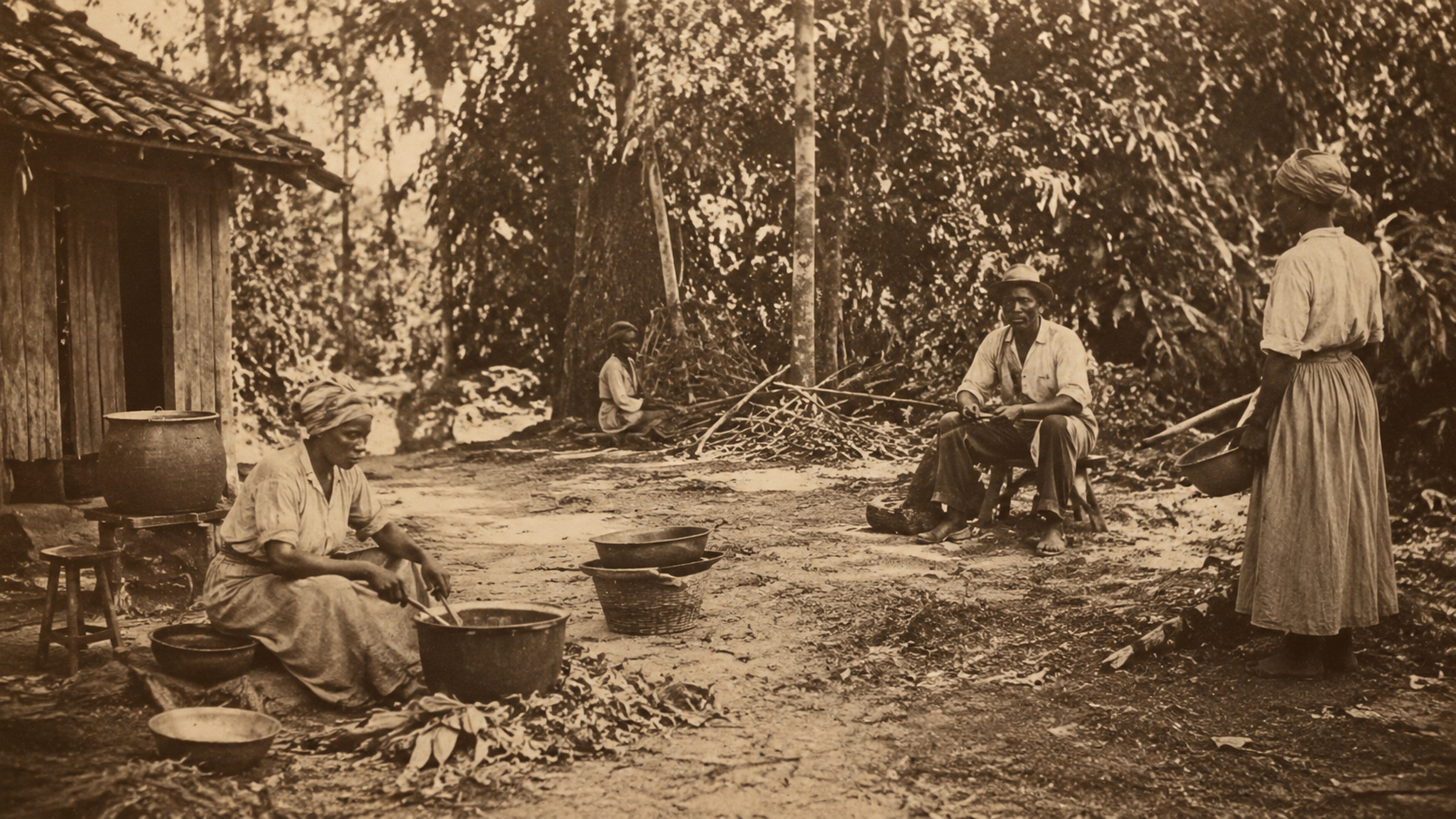

Survey by Caixa Econômica Federal identified 158 savings books used between 1861 and 1888 by enslaved people seeking freedom, financial protection, and family support during the final period of slavery in Brazil.
A historical investigation involving Caixa Econômica Federal brought to light financial records revealing how enslaved people attempted to gain freedom in 19th century Brazil.
In total, 158 savings books belonging to enslaved and freed people between 1861 and 1888 were identified, a period marked by the final years of Brazilian slavery.
Additionally, the documents show that many men and women slowly accumulated money to buy their own freedom or help family members still subjected to slavery.
-
Facing Labor Shortage, Japan Plans to Invest $34 Million to Attract Foreign Workers in Construction, Healthcare, Industry, and Commerce

-
Brazilian City Makes Remarkable Leap, Becomes 4th Wealthiest in the Country with GDP of R$ 134.1 Billion

-
Controversial 6-day Workweek Elimination in Brazil Faces Economic Criticism Over Productivity Claims
-
Itaú to Refund Customers After 14 Years of Unauthorized Credit Card Charges; Agreement Includes No Interest or Adjustments, Deadline by 2028, with Potential Impact of Up to $6.5 Billion





According to Caixa, the survey was conducted following an action by the Federal Public Ministry in 2025, which demanded explanations about the historical fate of these bank accounts.
1874 Decree changed access to savings
One of the most important points in this trajectory emerged in 1874, when decree no. 5,594 authorized enslaved people to open savings accounts without relying on their masters’ authorization.
With this, the so-called pecúlio, money accumulated by the enslaved themselves, gained legal and financial protection.
According to the records found, several account holders used the deposits as a direct strategy to gain freedom.
Theobaldo, identified as “pardo”, accumulated more than 522$300 réis between 1875 and 1881. Later, the amount was used to compensate his former master through the Emancipation Fund.
Similarly, Custódia made constant deposits for five years. After that, she withdrew the balance to seek her freedom.
Meanwhile, Joanna, enslaved in Cuiabá, directly negotiated her freedom with José da Silva Rondon, transferring to him the right over the savings book after paying 600$000 réis, an amount officially recorded in her registration.
Families also created financial solidarity networks
Besides individual freedom, the savings books show family strategies of resistance and financial support.
The freed African Izabel Viegas Muniz, for example, transferred her entire balance to her son Manoel, who was still enslaved.
Meanwhile, Francisco das Chagas e Oliveira opened an account specifically to gather resources aimed at purchasing the freedom of his wife, Thereza.
Historical records also preserve racial expressions used at the time, such as “crioulo”, “pardo”, “cabra”, and “africano”. More than half of the account holders are identified by these social classifications.

Experts criticize limitations of the survey
Despite its historical relevance, researchers claim that the work of Caixa still presents significant gaps.
According to opinions from researcher Thiago Alvarenga and historian Keila Grinberg, the report has methodological flaws and limited geographical coverage.
Among the main issues pointed out is the exclusive focus on preserved notebooks. Additionally, experts criticize the absence of the so-called current account books, considered more complete documents for tracking financial transactions of the time.
Another point raised involves the regional concentration of records. Of the 158 identified notebooks, 128 belong to the former province of Mato Grosso, a scenario considered unrepresentative of the national reality.

MPF expands investigation into values and historical heritage
In light of the criticisms, prosecutor Julio José Araujo Junior imposed new requirements on Caixa Econômica Federal.
The MPF requested information on the total number of current account books preserved by the institution and asked for technical visits from the National Archive and IPHAN to assess the conservation of historical documents.
The investigation also seeks to clarify whether abandoned values were incorporated into Caixa’s institutional assets and how these accounts were closed after the account holders’ deaths.
Meanwhile, the debate takes place amid the growing international discussions on reparations related to slavery.
In 2023, for example, Banco do Brasil publicly acknowledged its historical responsibility related to the slavery period. Even so, Brazil does not have structured economic reparations policies aimed at the descendants of the enslaved population.
In light of these discoveries, the financial records of the 19th century show that freedom, for thousands of enslaved Black people, was also built through planning, resistance, and continuous economic effort.
How can savings books forgotten for over a century change the way Brazil understands the struggle for freedom before the Lei Áurea?