





 Portuguese
  English
  Spanish
  3 min of reading
  0 comments


Medieval city of Castellfollit de la Roca, in Girona, coexists with a 17-meter crack in a 50-meter basalt cliff, while sensors monitor fissures, technicians track erosion, and residents face costs of up to 50,000 euros to contain new risks.
A 17-meter crack detected at the top of the cliff supporting Castellfollit de la Roca, in northeastern Spain, has reignited concern about new landslides in the medieval city of Girona, built on a basalt wall about 50 meters high.
The municipality, home to 950 inhabitants, is considered one of the most unique locations in Catalonia. The old city sits on the edge of a narrow volcanic rock formation, shaped thousands of years ago by lava flows in the Garrotxa area.
Recent rock falls have once again put the cliff in the spotlight. Following these movements, experts identified the fissure at the top of the rocky wall and began monitoring the terrain’s evolution with permanent monitoring and constant evaluations.
-
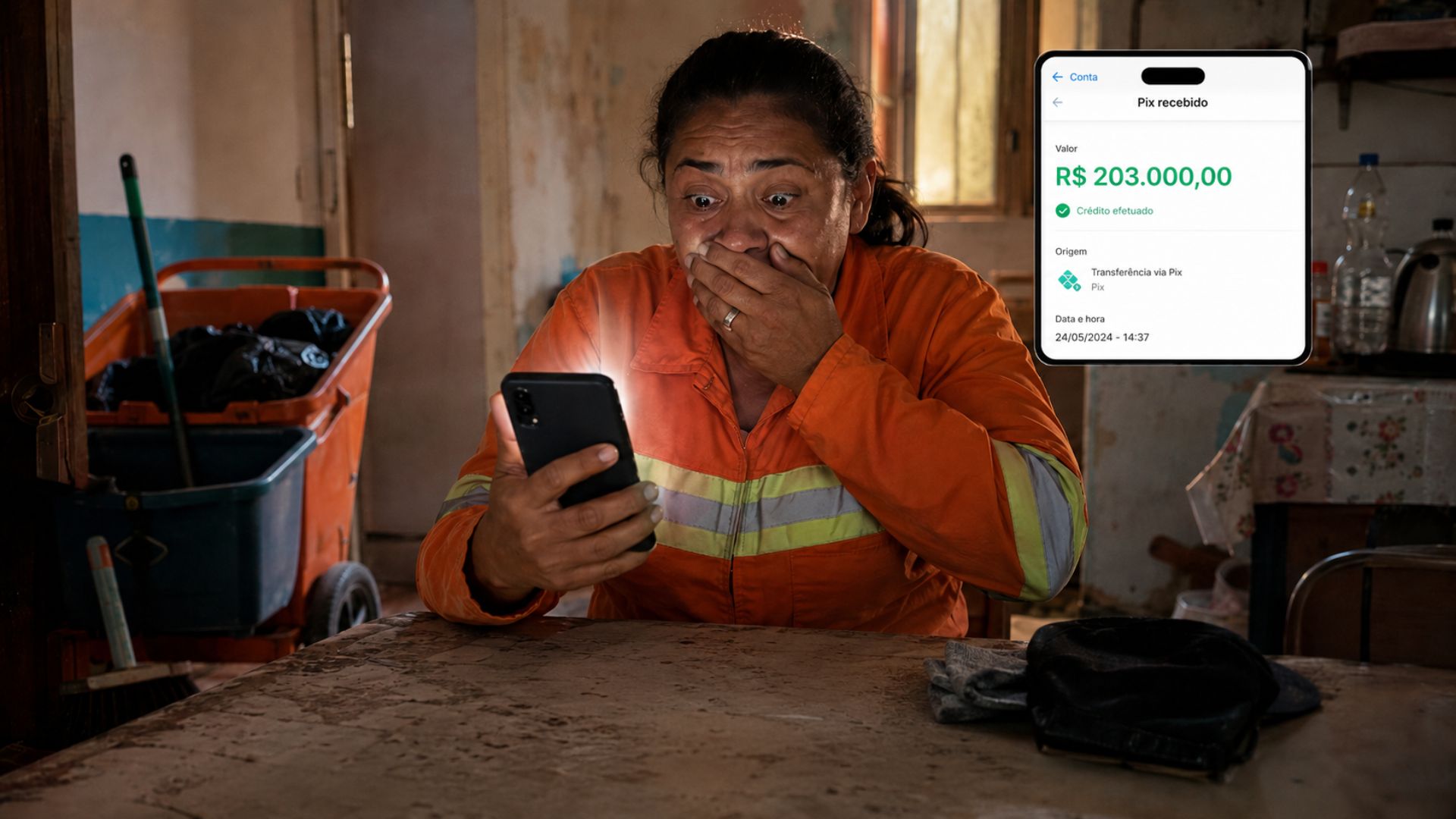
A street cleaner who earns R$ 2,100 per month put her cell phone aside for a few minutes and returned to find a Pix transfer of R$ 203,000 mistakenly deposited into her account, an amount that, according to her, she wouldn’t be able to save even if she worked for a hundred years.

-
R$ 5,000 scattered on the street, a lost wallet, and an honest decision: the case in Goiás that moved even those who only read the story

-
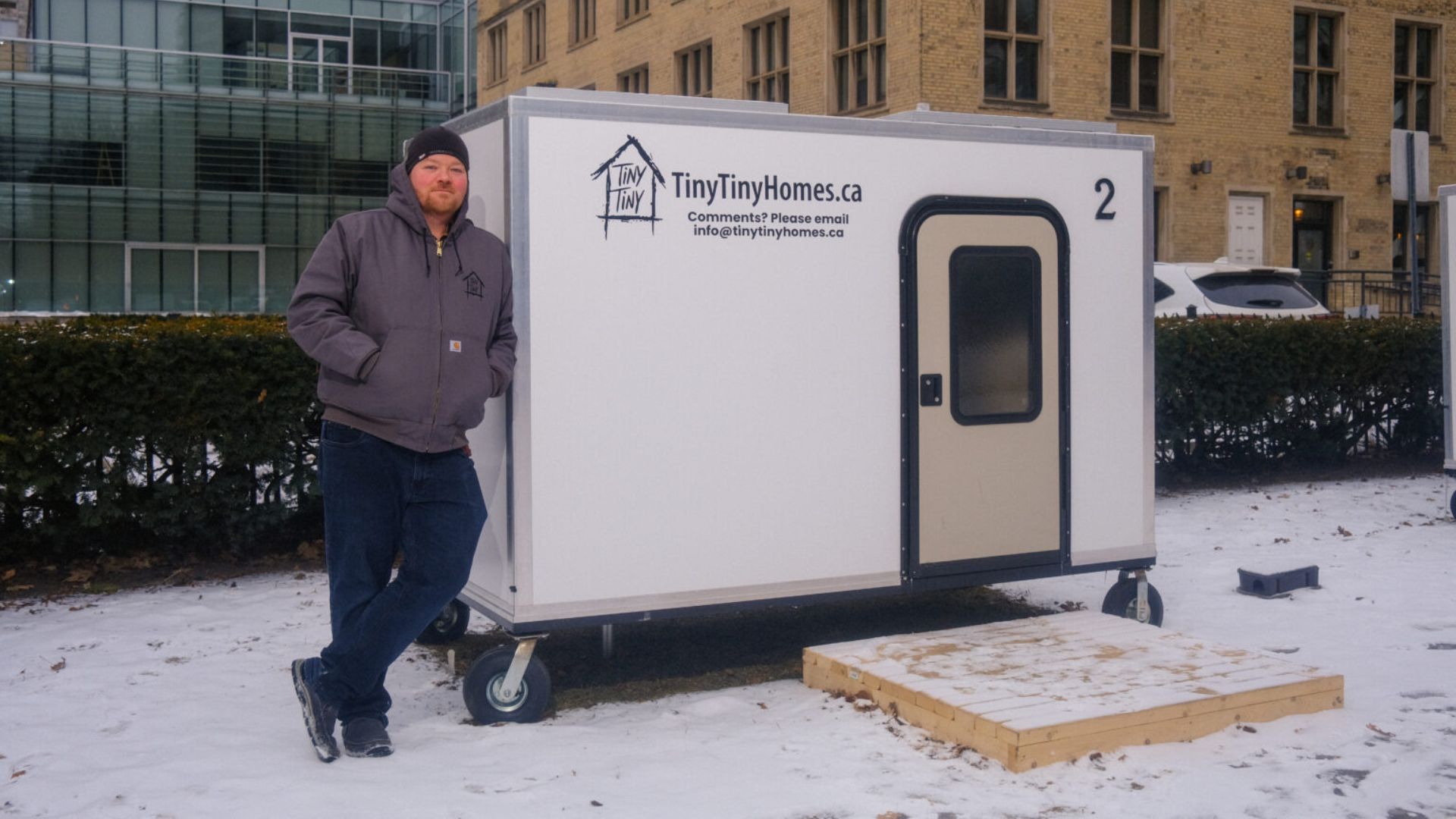
Dissatisfied with seeing people sleeping on the street, a man named Ryan Donais started building small mobile homes so that homeless people can escape the cold, each equipped with a bed, running water, electricity, and heating.
-
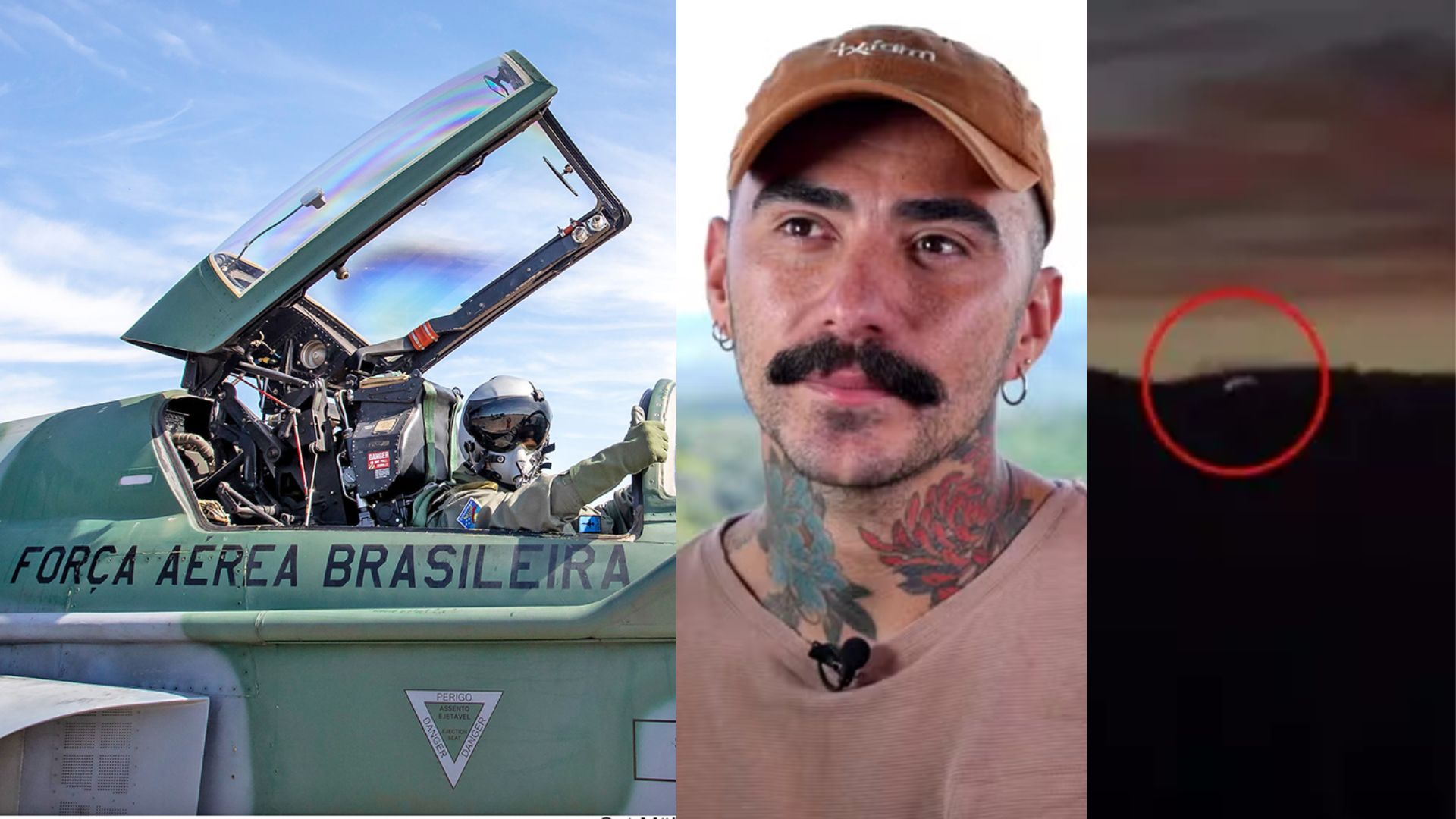
ET in Paraná? After intriguing videos, mysterious sounds in the forest, and theories that dominated social media, the Brazilian Air Force reveals what its radars recorded and increases the mystery about the alleged UFO seen in Campo Largo.

Crack exposes slow wear of the cliff
The appearance of the crack has a geological explanation. The internal movements of the rock massif, water leaks, and the progressive widening of the fissure increase the risk of new landslides, even without an indication of immediate collapse.
Experts consulted by the program “O Radar,” from 3Cat, state that there is no imminent risk, but there is a slow and constant erosion that requires permanent vigilance. The passage of time continues to weaken the geological structure of the cliff.
Water, vegetation, and river erosion slowly wear down the cliff. Over the years, some residents have even lost part of their homes due to the retreat of the cliff’s edge.
Sensors monitor displacements in the rock
To control any movement of the terrain, the area is equipped with sensors capable of detecting millimetric openings in fissures. The cliff is also periodically scanned to check for possible displacements in the basalt rock.
Technicians maintain constant vigilance, especially on the north face of the cliff, identified as the most exposed to erosion. The territory’s assessment is ongoing to ensure the area remains monitored at all times.
Despite the concern, there is no talk of evacuations. The situation is monitored as a permanent issue, linked to the natural wear of the cliff and the need to observe any changes that could increase risks.
Lack of help worries residents
Besides the crack and the risk of new landslides, Castellfollit de la Roca faces another challenge: the economic cost to keep the cliff stable. The City Council states that it will enter 2026 without specific help to preserve the cliff.
The mayor explained that the municipality continues to talk with the Department of Territories to obtain support for cleaning tasks. Just these works and the removal of vegetation cost between 40,000 and 50,000 euros, a high amount for a small town.
One of the main risks is the vegetation that grows in the cracks of the cliff. The roots penetrate the volcanic rock, favor new openings, and accelerate the natural deterioration of the basaltic wall.
While tourists visit one of the most photographed landscapes in Catalonia every year, the residents live with vertigo and a crack that symbolizes an old, permanent problem closely monitored by the local community, technicians, and also the City Council.


Be the first to react!