Portuguese
  Spanish


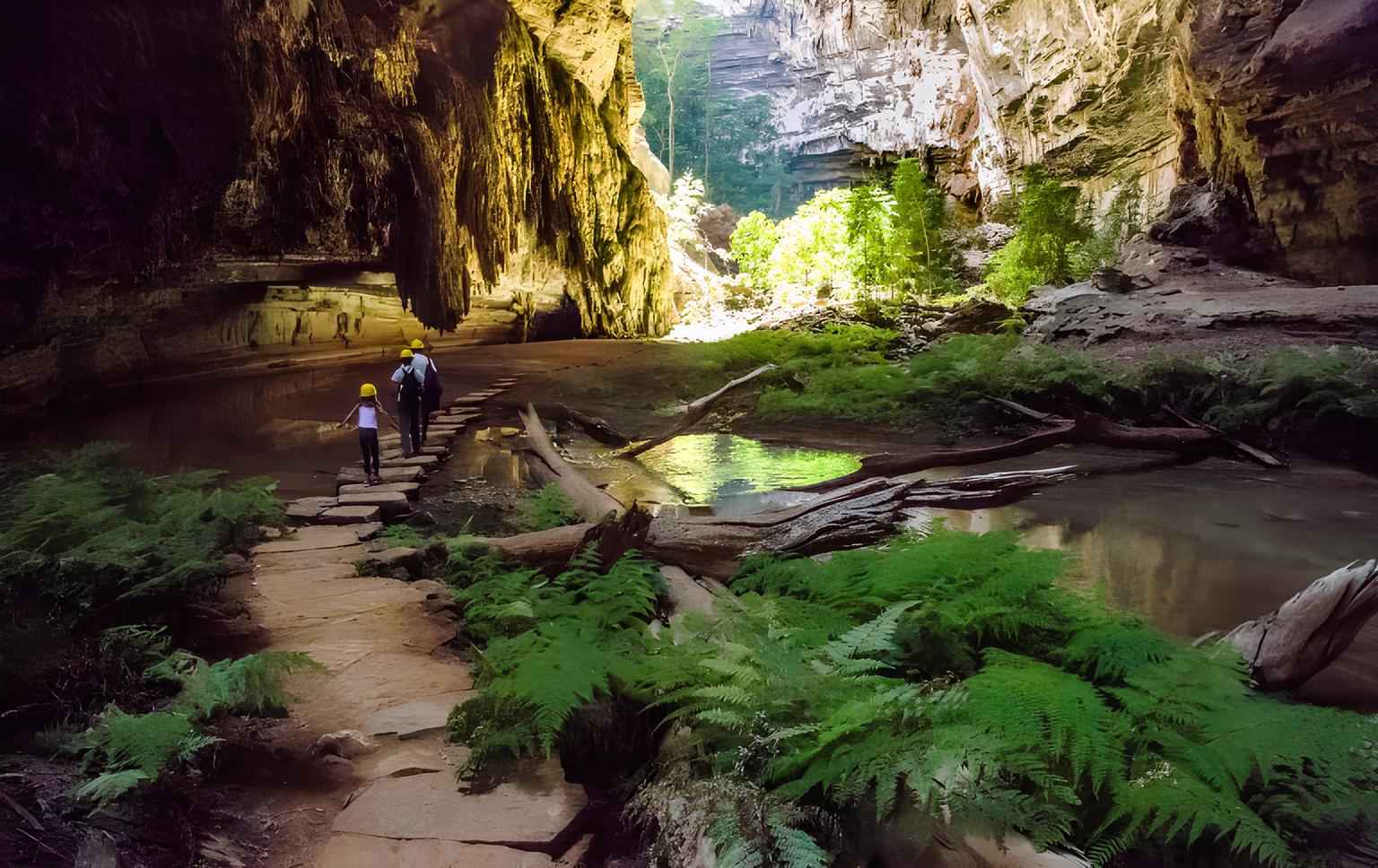

Peruaçu Caves National Park, With Its Archaeological Site and Natural Treasures, Is Close to Being Recognized by Unesco. The Decision of the World Heritage Committee in Paris Could Elevate Brazil as a Protagonist of Global Environmental Conservation in 2025
The Peruaçu Caves National Park, in Minas Gerais, is about to achieve a significant recognition: becoming Brazil’s new World Heritage site. The nomination will be evaluated between July 10 and 13, 2025, during the 47th session of the Unesco World Heritage Committee in Paris. If approved, the site will join a select list of areas with exceptional natural and cultural value, attracting more international attention to Brazilian biodiversity and archaeological heritage.
This recognition could place Brazil back at the center of global preservation, after years with few entries on the list. The potential nomination reinforces the country’s commitment to environmental conservation, sustainable development, and respect for the history of human occupation.
The Uniqueness of the Peruaçu Caves Unesco
The Peruaçu Caves form a breathtaking landscape. Located between the municipalities of Januária and Itacarambi in northern Minas Gerais, the park houses rare geological formations, hundreds of cataloged caves, and a canyon sculpted by natural processes over thousands of years.
-
Tokyo Scientists Create First 18cm Biohybrid Hand Using Human Muscle, Capable of Scissor Gesture and Holding a Pipette

-
Brazil Faces Norway in World Cup at Stadium Linked to Jimmy Hoffa’s Mysterious Disappearance

-
Retired Woman Leaves French Public Housing Due to Fear, Lives in Van for Weeks, Prompting Response from Local Authorities and a Priest
-
9-Year-Old Fabio Isaac Wins Gold at Copernicus Math Olympiad in Singapore, Representing Peru Against Global Young Talents



One of its main attractions is the stalactite “Ballerina’s Leg,” considered one of the largest in the world, measuring about 28 meters in length.
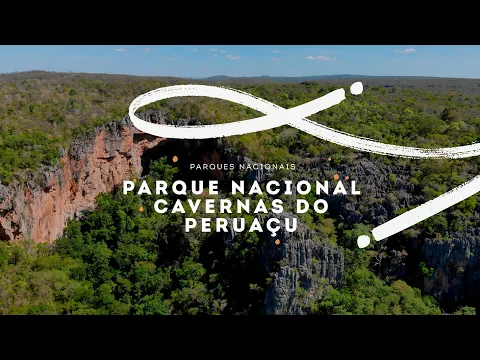

In addition to its impressive geology, the park stands out for spanning three Brazilian biomes: Cerrado, Caatinga, and Atlantic Forest. This confluence guarantees a rich biodiversity, with unique species of fauna and flora, as well as various caves that remain little explored.
Peruaçu Archaeological Site: A Treasure of Humanity
The Peruaçu archaeological site is one of the most valuable components of the nomination. With over 114 identified sites, the park reveals traces of human presence for more than 12,000 years. Rock paintings, engravings, and remnants of prehistoric communities can be found in caves such as the Gruta do Janelão, one of the largest in the region.
These records are essential for understanding human occupation in South America. The archaeological wealth of the region is comparable to that of locations like Serra da Capivara (PI), also recognized as a World Heritage site. Thus, Peruaçu is not only a natural wonder but also a true open book on humanity’s past.
Path to Official Nomination at Unesco Brazil
Although the nomination is only being evaluated in 2025, the process began decades ago. The National Park was included in Unesco’s indicative list in 1998, thanks to the work of Professor José Ayrton Labegallini from UFMG. Since then, various technical and political efforts have been made to strengthen the nomination dossier.
In 2017, a new version was submitted, with support from institutions like ICMBio, Iphan, the International Union of Speleology, and IUCN (International Union for Conservation of Nature). In October 2024, a technical mission from IUCN visited the park to evaluate the natural and cultural attributes of the site. The opinion issued in April 2025 was favorable, strengthening the chances of approval by the Committee.
The Importance of the World Heritage Committee Paris
The World Heritage Committee Paris will be responsible for deliberating on Peruaçu’s nomination. The vote is scheduled for July 13, during a session that will gather 21 member countries. Brazil will participate as an observer and hopes that its candidacy stands out among other international proposals, such as those from Mongolia, Denmark, and Sierra Leone.
The committee considers strict criteria, which involve integrity, authenticity, management plan, and outstanding universal value. Inclusion of Peruaçu in the list would represent international recognition of Brazil’s competence in environmental conservation and management of protected areas.
What Changes If Peruaçu Becomes the New World Heritage Site of Brazil
The nomination would bring direct and positive impacts to the region. One of the main expected impacts of recognition by Unesco is the strengthening of sustainable tourism, as protected areas with this seal usually attract greater international visibility and investments in infrastructure and visitation.
Additionally, the status of World Heritage site attracts resources for research, protection, and monitoring, strengthening the preservation of the ecosystem and cultural heritage. The park would gain international support and visibility instruments, including technical cooperation with other countries and multilateral organizations.
Community, Conservation, and Indigenous Protagonism
Another distinguishing feature of the nomination is the strong presence of traditional and indigenous communities, like the Xakriabá people, who claim part of the territory where the park is located. Recognition by Unesco could open the door to more inclusive and shared management models, aligned with the principles of environmental justice and respect for ancestral knowledge.
Projects such as “Blooming in the Cerrado” and “Living Forest” are already active in the territory, promoting environmental education, community-based tourism, and training of residents. Peruaçu could become a reference for integration between conservation, culture, and social inclusion.
Peruaçu Caves Unesco: The Scientific Value of the Site
The region also stands out for its contribution to science. Researchers use mineral formations and fossil records from the park for studies on climate change, geological evolution, and human occupation history. A recent study indicated an average increase of 2.5 °C in the region’s temperature since the mid-20th century, based on the analysis of stalagmites in the Bonita cave.
This type of data reinforces the park’s relevance as a natural laboratory for environmental and paleoclimatic studies. By protecting Peruaçu, Brazil also preserves a valuable repository of knowledge for future generations.
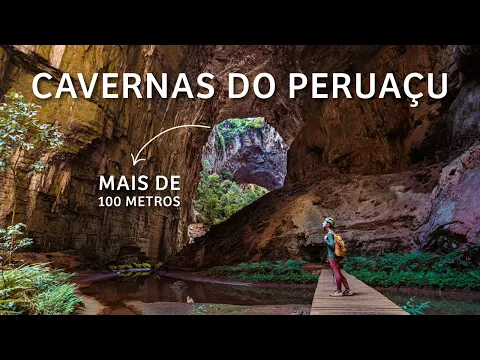
The possible inclusion of Peruaçu Caves Unesco on the World Heritage list marks more than just a recognition: it represents a strategic opportunity. The country reinforces its role as a defender of biodiversity and the cultural heritage of humanity, as well as valuing its traditional and indigenous communities.
If approved, the Peruaçu Archaeological Site will be the 24th Brazilian site recognized by Unesco, joining icons like Iguaçu National Park, the Pantanal, and the historic city of Ouro Preto. In a moment of global environmental challenges, Brazil can show the world that protecting the past and conserving the present is the way to ensure the future.