






 Portuguese
  Spanish




Experts explain why automatic cell phone use has increased, which habits increase digital dependency, and how small changes help regain balance
Spending hours scrolling through the feed without noticing has become a common routine for many people, attracting the attention of mental health and addictive behavior specialists. According to a report published by The Guardian on June 4, 2026, smartphones and social networks are designed to keep the user connected for long periods. Even so, small changes in daily life can reduce screen time, improve sleep, and decrease the feeling of fatigue after hours of automatic browsing. This scenario shows that the problem is not just with the cell phone, but with how the device has come to occupy moments of pause, boredom, and distraction.
Excessive cell phone use raises alarm among specialists
Cell phone addiction has gained strength because apps offer constant stimuli to the brain. Notifications, likes, quick videos, and unexpected content create a sequence of rewards that encourages the user to keep browsing. According to Marcantonio Spada, an addiction behavior specialist interviewed by The Guardian, digital platforms generate positive and negative reinforcements during use. This mechanism is similar to other dependency patterns, as the brain starts seeking relief, distraction, or immediate reward. Therefore, opening a social network for a few minutes can turn into almost an hour of scrolling without a clear perception of time.
Digital rewards keep the user stuck to the feed
The difficulty of putting down the cell phone also involves what’s called intermittent reinforcement. In this case, the user never knows when they will find something funny, shocking, or interesting. The anticipation of the next novelty keeps the person glued to the feed, even when they are not looking for anything specific. Psychotherapist Hilda Burke notes that excessive use frequently appears in reports linked to poor sleep, anxiety, and difficulty concentrating. This behavior is concerning because, after hours of browsing, the emotional problem that motivated the distraction remains present.
-
Scientists warn that melting ice is triggering an alarming chemical transformation in preserved areas, and the first signs are already concerning researchers worldwide.

-
China placed 198 robotic legs under a 7,600-ton school and made the building walk 62 meters in 18 days, rotating the historic structure as if a concrete structure had gained feet to escape demolition.

-
Distributor confirms the premiere of ‘Dark Horse’, Bolsonaro’s film, in 650 cinemas with 99% of copies dubbed.
-
9-year-old boy who could only hold a plank for 6 minutes in physical education class trained alone for 6 months, without needing encouragement from his parents, until he broke the world children’s record with 61 minutes and 5 seconds.


Simple changes help reduce screen time
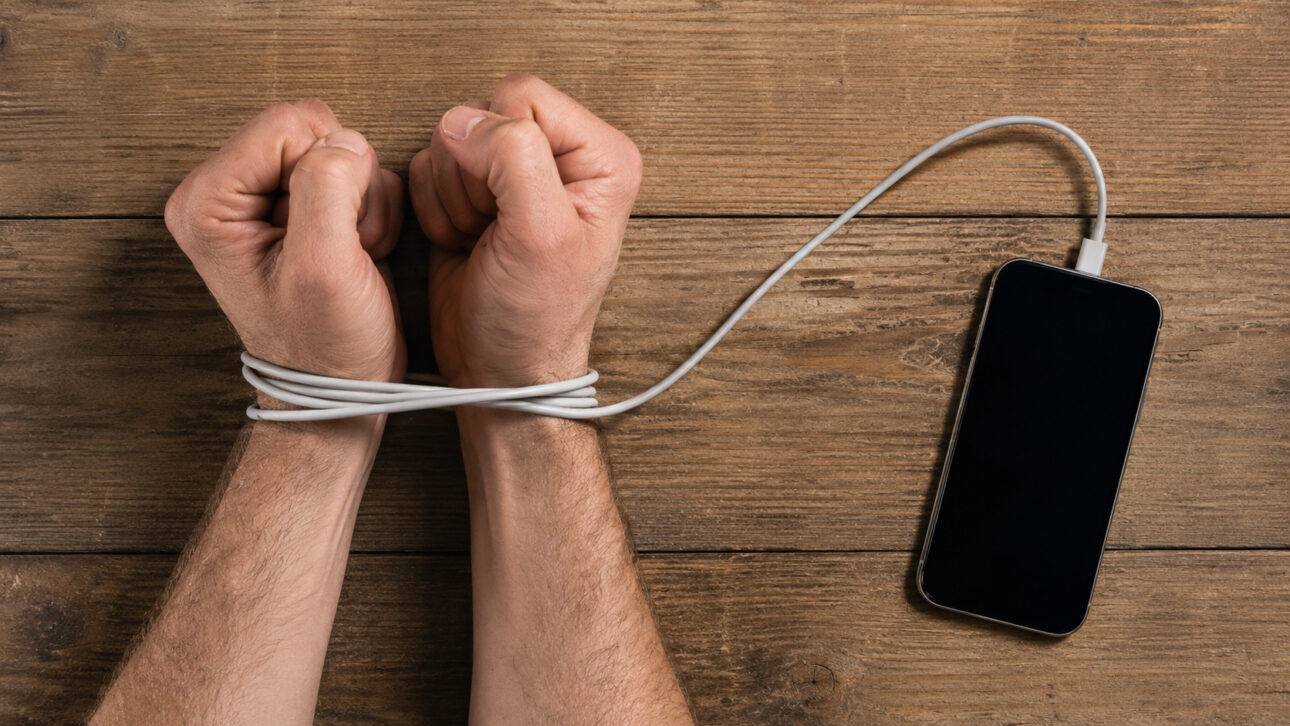
Despite the warning, experts do not advocate abandoning the cell phone. The main recommendation is to transform automatic use into a more conscious relationship with the device. Among the most recommended measures are monitoring the time spent on apps, disabling unnecessary notifications, keeping the phone away from the bed, creating screen-free periods, and using the screen in grayscale. Currently, Android and iPhone already offer native tools to track daily usage. On Android, the feature appears as Digital Wellbeing. On iPhone, the function is called Screen Time.
Small physical barriers can also work
Some strategies seem simple but help interrupt the automatic habit of unlocking the phone. One of them is to change the lock screen image to something related to real goals, such as travel, exercise, or family moments. Placing a rubber band around the device creates a small physical barrier before unlocking. This gesture forces a quick pause and helps the user realize if they really need to access the phone at that moment. Hilda Burke also recommends the so-called waiting training, which consists of spending short periods away from the device, starting with short walks without the phone.
Apps and devices help with digital control
In addition to routine changes, some resources have been created precisely to limit excessive smartphone use. Apps like BePresent and ScreenZen help track habits and block repetitive access. Physical devices like the Brick prevent the use of certain apps until the user unlocks them in another room. Although it seems like an extreme measure, experts say that increasing the physical distance from the phone can help a lot. This is because the device is no longer always within reach.

The first step is to realize the time lost
For many people, recognizing the time spent on automatic scrolling already represents the beginning of change. Excessive use usually happens almost invisibly throughout the day, especially during breaks or moments of anxiety. A few minutes away from the phone can reorganize the routine, improve focus, and reduce the feeling of digital exhaustion.
What seems more difficult: controlling screen time or realizing when the phone started to control the routine?





