Martha Ann Lillard contracted polio at five years old, lost body movements, and lived for more than seven decades with the aid of an iron lung
The Oklahoma resident passed away on June 26, 2026, although the news only gained attention in the first days of July.
According to her obituary, the death occurred due to complications related to Covid-19.
-
Brazilian students created a $1 filter using pine bark, cotton, and 3D-printed parts to clean cassava wastewater, reduce the toxicity of a hazardous waste, and transform contaminated water into biofertilizer.

-
Astronaut from Artemis II steps down after mission to the Moon and decision surprises after a record of 406,771 km, a historic 10-day journey, and an unprecedented achievement for Canada.

-
A fossil kept for years in a small museum in Montreal concealed 450-million-year-old soft tissue, a discovery that has only happened once before in history.

-
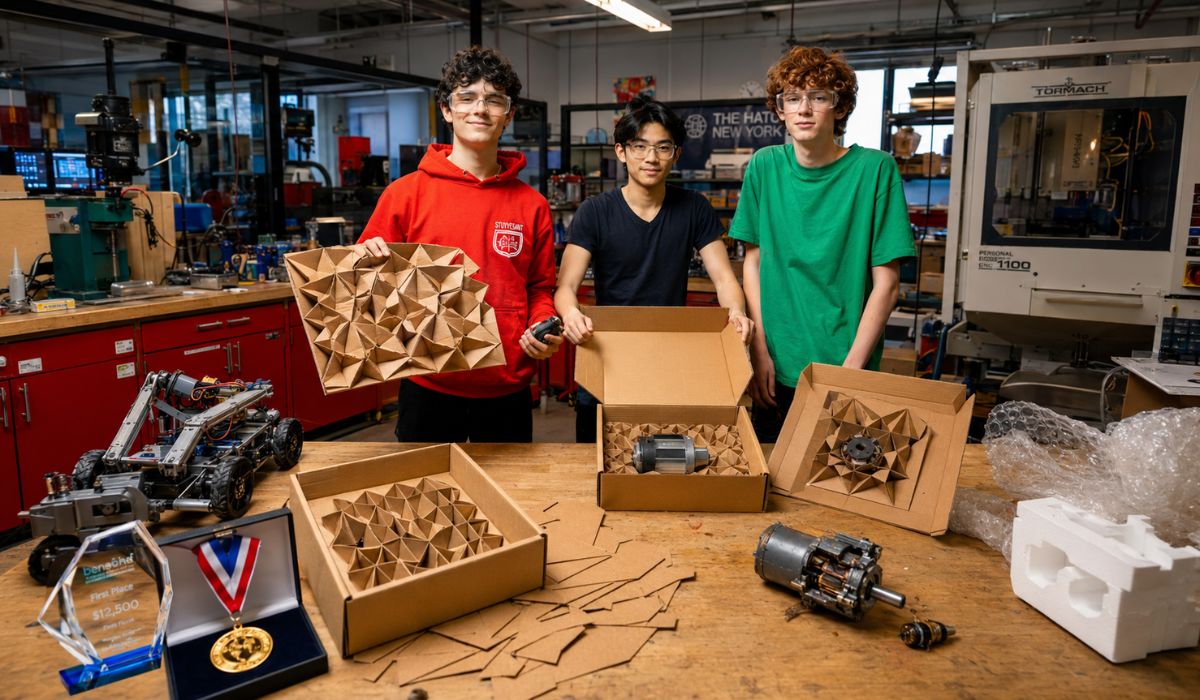
Three teenagers transform cut cardboard into Japanese origami-style packaging that promises to retire styrofoam and bubble wrap, win a $12,500 prize, and target giants like Amazon, FedEx, and Home Depot after a robot motor arrived broken.


Martha contracted polio in 1953, when she was just five years old.
From that moment, she faced the sequelae caused by the disease for more than seven decades.
Polio changed Martha’s life at five years old
Martha noticed the first symptoms shortly after turning five.
As she reported to Oklahoma News, she woke up on a sunny morning feeling a strong pain in her neck.
The girl also couldn’t lift her head from the pillow.
Four days later, her health condition rapidly worsened.
Martha lost consciousness, became completely paralyzed, and could no longer move her arms and legs.
The disease also compromised her ability to breathe on her own.
At that moment, the iron lung saved her life.
Diagnosis occurred before the vaccine became widespread
Martha’s diagnosis happened in 1953.
The polio vaccine would become widely available in the United States only two years later.
In that same year, the country recorded approximately 35,000 cases of the disease.
About half of the affected patients were paralyzed.
Polio outbreaks affected thousands of families before childhood vaccination campaigns.
Thousands of people died, while many survivors were paralyzed or dependent on respiratory equipment.
Iron lung allowed Martha to keep breathing
Healthcare professionals avoided placing children inside the iron lung, as many young patients resisted the equipment.
Martha, however, stated that she did not feel afraid.
The girl reported that she liked the machine because she could finally breathe.
Later, Martha remained hospitalized for six months.
During this period, she gradually learned to breathe without the constant aid of the respirator.
Initially, she spent 23 hours a day inside the iron lung.
Only one hour daily was reserved for the rehabilitation of limbs affected by paralysis.
Martha said that returning to the equipment provided a sense of relief, even on the most tiring days.
Independent life changed after Covid-19
Martha managed to maintain an independent life for many years, despite physical limitations.
The American used a portable ventilator when she was out of the iron lung.
According to her sister, Cindy McVey, Martha prepared her own meals and took care of daily tasks by herself.
The routine changed after the arrival of Covid-19.
Martha contracted the disease twice.
Later, she also faced shingles and prolonged Covid-19 symptoms.
During the last eight months of her life, she remained 24 hours a day inside the iron lung.
Old equipment showed signs of wear
The iron lung used by Martha also began to deteriorate.
According to Cindy McVey, some parts had been manufactured in the 1940s.
Replacing the components became increasingly difficult.
The family had a spare motor, but could not find professionals capable of installing it.
A tornado interrupted the power supply to the residence the year before her death.
The generator also stopped working shortly after.
In the face of the emergency, Martha’s husband performed mouth-to-mouth resuscitation until help arrived.
Lack of professionals hindered medical care
Martha also faced obstacles in receiving specialized care.
Few professionals still knew how that low-tech respirator worked.
The maintenance of the equipment and access to health services, therefore, became increasingly difficult.
According to the obituary, Martha Ann Lillard died on June 26, 2026, at the age of 78.
After 73 years using the iron lung, she was permanently removed from the equipment.
For the first time since childhood, Martha rested outside the machine that made her survival possible for more than seven decades.
Were you already aware of the stories of people who spent a large part of their lives depending on an iron lung? Leave your opinion in the comments!