





 Portuguese
  English
  Spanish
  4 min of reading
  0 comments


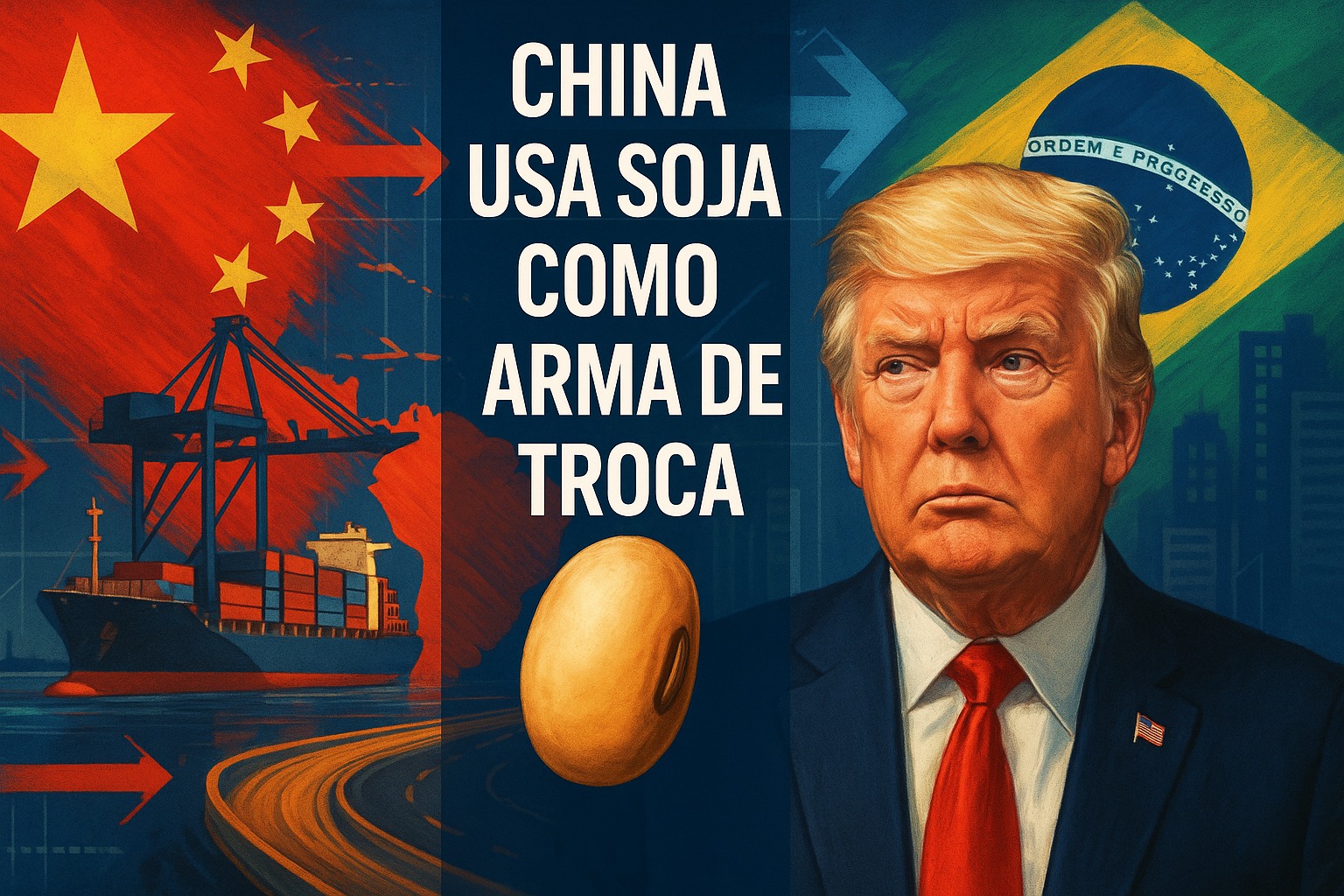
China Breaks Tradition and Avoids Soy Contracts with the United States, Reinforcing Political Pressure Strategy Ahead of Crucial Leaders’ Meeting
For the first time since the late 1990s, China has started a soybean import season without buying a single ship from the United States. This move signals that Beijing has returned to using the grain as a political weapon in its dispute with Washington. Information comes from Bloomberg.
The impact is immediate. American farmers, who are harvesting record volumes, are facing prices close to the lowest in a decade.
The void in orders is surprising because, traditionally, the Chinese secure millions of tons right at the beginning of the export period.
-
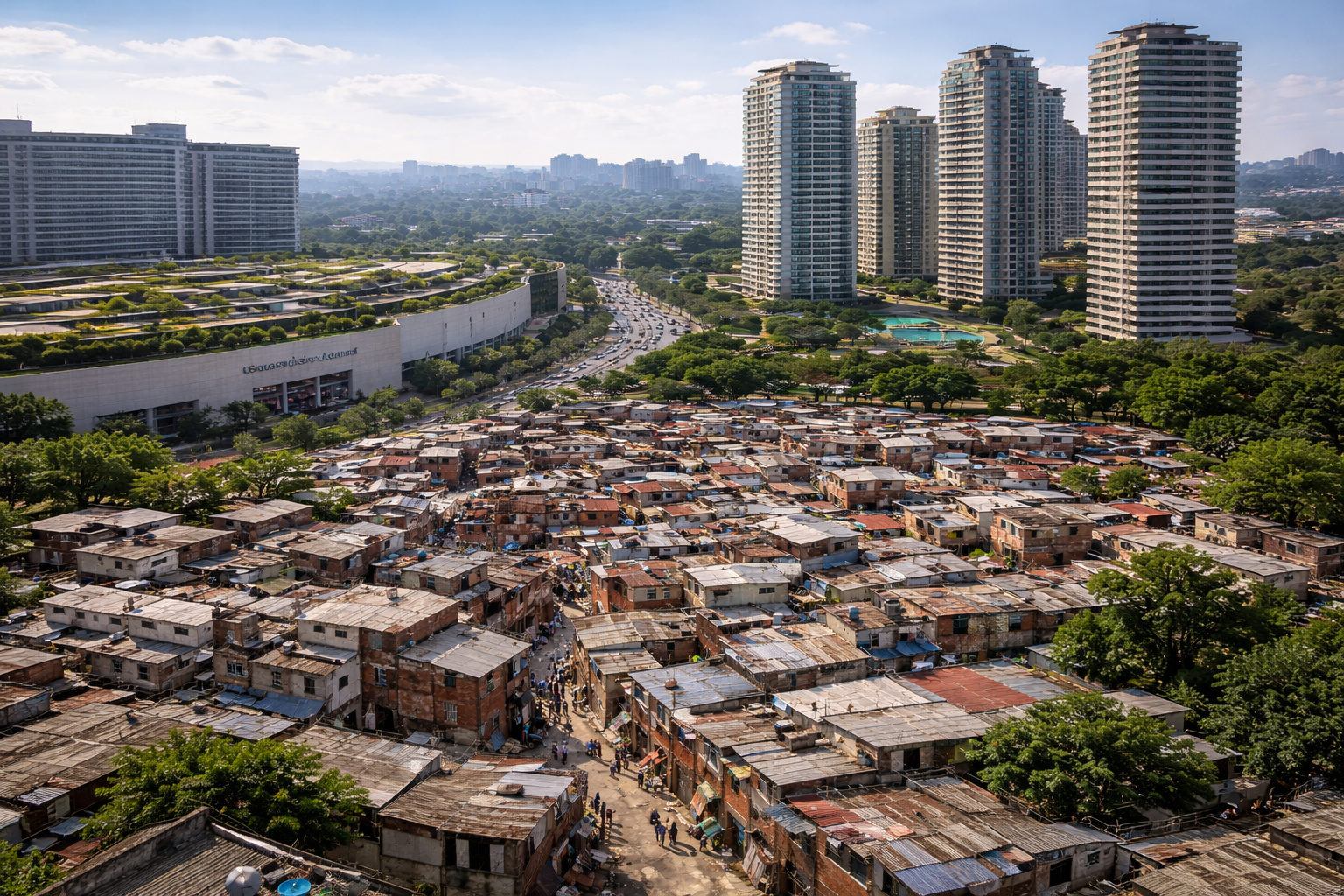
Amid luxury shopping, million-dollar condominiums, and business centers, the Jardim Panorama favela becomes the target of intense territorial disputes following a change in strategy by the city hall, and residents fear losing their homes.
-
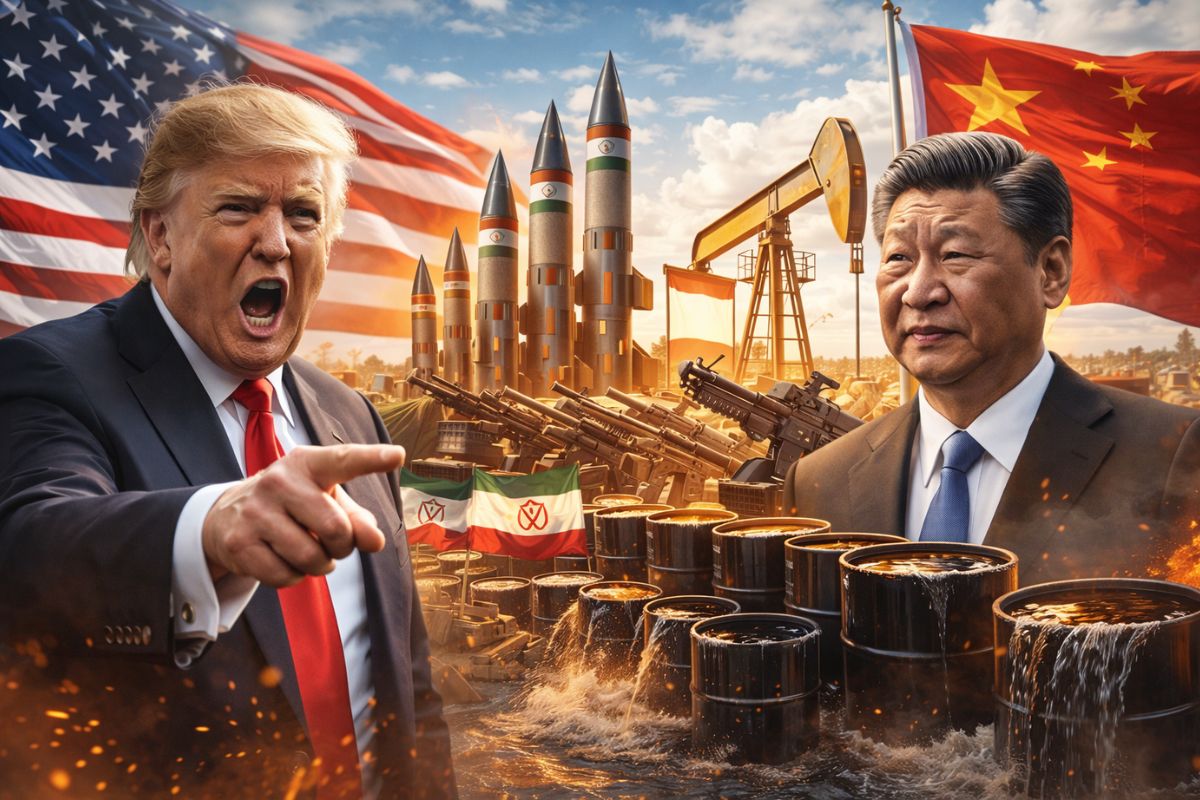
Trump threatens China with a 50% tariff if Beijing supplies weapons to Iran and offers U.S. oil; pressure rises with the blockade, but the measure faces a legal hurdle, without a decree.
-
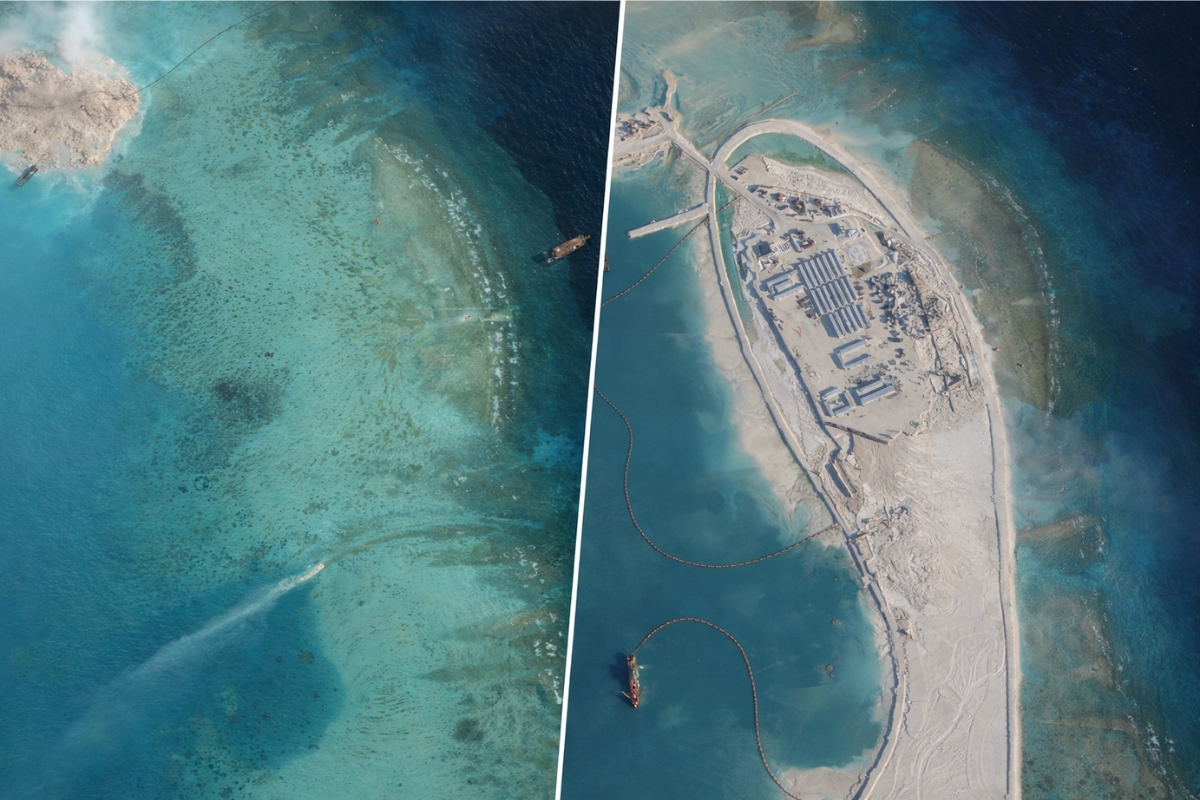
China took advantage of the international conflict with Iran to seize a strategic island, and the worst part is that it is now militarizing the area.
-
After a devastating fire that left 3 injured and 200 intoxicated by smoke in the Red Sea, the most expensive warship ever built — $13.3 billion — returns to the front in Iran after quick repairs in Croatia.

Soybean as a Bargaining Chip
The absence of contracts until September 11 was confirmed by the U.S. Department of Agriculture. Last year, Americans accounted for 20% of China’s imports, equivalent to over US$ 12 billion.
More than half of total U.S. soybean exports were destined for the Asian country.
Now, the message is clear: Beijing uses grains as a pressure instrument. With comfortable stocks, it shows patience and the ability to wait, instead of reinforcing the rival’s position at a time of uncertainty.
Pressure Before the Meeting
President Xi Jinping is preparing to talk with Donald Trump. The meeting comes amid discussions on semiconductors and strategic minerals.
Before the meeting, China heightened tensions by revealing that Nvidia had violated antitrust rules.
According to agricultural analyst Even Pay from Trivium China, the soybean case reflects long-term planning.
The strategy is similar to the use of rare earths as a political tool. Additionally, importers are reacting not only to tariffs of over 20% on American soybeans but also to the uncertainty surrounding the future of these duties.
Farmers at the Limit
In the United States, rural producers are calling for an urgent solution. The fear is of a “commercial and financial cliff.”
They are pressuring the government to remove tariffs and ensure agreements. The sector is vital for Trump as it concentrates electoral support.
Meanwhile, Brazilian soybeans have gained ground. Chinese crushers and feed producers have bolstered their stocks with shipments from Brazil.
Some have even doubled their reserves, reducing the need to resort to American grain until 2026.
Tradition Interrupted
Normally, between October and February, U.S. soybeans supply the Chinese before the arrival of the South American harvest.
Importers typically secure volumes weeks in advance, but the current trade war has altered the routine.
Now, contracts that should have already been finalized have not occurred. Caution reflects both the risk of tariffs and the political signals coming from Beijing, which shows it is not willing to allow purchases without official approval.
Expansion of the Strategy
The maneuver is not limited to soybeans. China has also reduced imports of corn, wheat, and sorghum from the U.S.
At the same time, it has maintained purchases from countries like Brazil, Canada, and Australia. The initiative reinforces the goal of diversifying suppliers and reducing American dependence.
According to Andy Rothman, a former U.S. diplomat, agriculture will be central to negotiations between Trump and Xi.
He assesses that there will likely be no immediate agreement, but acknowledges that the topic will reemerge strongly in future meetings.
Small Gestures of Relief
Despite the pressure, there have been signs of moderation. China resumed purchases of U.S. oil after six months and suspended an investigation against Google, labeled as antitrust.
These gestures suggest an attempt to reduce friction ahead of a larger meeting.
Still, experts believe that soybeans will remain at the center of discussions. Instead of unrealistic targets, as in the so-called Phase One agreement, both sides are expected to discuss more viable commitments.
Internal Risks for China
The decision to avoid American soybeans is not without risks. Prices in Brazil have risen significantly since the beginning of the year.
If the South American harvest suffers any setbacks, China may have to tap into its reserves sooner than planned.
Moreover, a possible excess of imports, if a sudden agreement occurs, could lower domestic feed prices.
Chinese business managers interviewed by Bloomberg warned that an unexpected influx of American soybeans could destabilize the domestic market.
The Cost of Waiting
Without tariffs, the U.S. would continue to be one of the most competitive suppliers. Therefore, every month without purchases represents a greater cost for China, which pays more to avoid American grains.
During the first trade war, even imposing tariffs, Beijing granted exceptions for limited volumes. Now, analysts believe that something similar may occur if a new agreement emerges.
The dispute shows how soybeans have ceased to be just an agricultural commodity and have become a central piece of an economic war.
Trump needs the support of farmers, while Xi uses the grains as a strategic lever.
In the end, experts remind us: Chinese demand remains strong. If an understanding is reached, American soybeans will return to the market. The problem is political, not one of consumption.
With information from Bloomberg Línea.









-

-

4 pessoas reagiram a isso.