






 Portuguese
  Spanish


Multifunctional Material Can Transform Buildings into Energy Sources and Represent a Milestone in Sustainable Construction
A new type of cement, developed by Chinese researchers, can transform the way we deal with energy in cities. The innovative material, based on the structure of plant stems, generates and stores electricity from heat.
The discovery represents an important advancement in the use of thermoelectric materials in civil construction.
Plant Structure as a Model for Innovation
The project is led by Professor Zhou Yang from Southeast University in China. The inspiration came from nature.
-
Realme Launches Affordable 16x 5G Phone with Military Certification, 6,600 mAh Battery, 50 MP Camera, and 6.8-Inch Screen Starting at $320

-
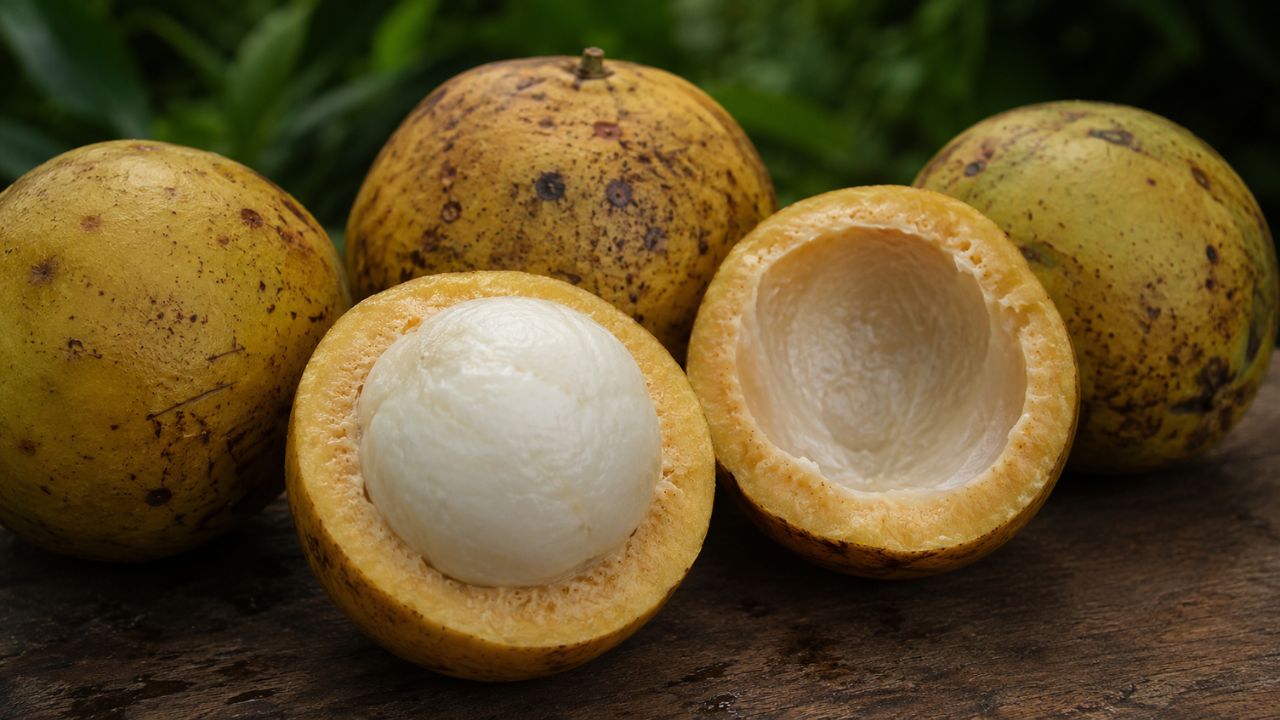
Amazonian Fruit Bacuri: A Nutrient Powerhouse with Antioxidants, Vitamins, and Bioactive Compounds, Ideal for Sweets and Beverages
-
Açaí Genome Sequenced for the First Time, Potentially Tripling the Speed of Developing New Cultivars
-
Geologists Find 4% of Normandy D-Day Beach Sand Still Contains Metal Fragments from WWII Explosions




More specifically, from the internal organization of plant stems, which have well-defined layers to transport nutrients.
This logic was applied to materials engineering through a multilayer structure made of cement and polyvinyl alcohol (PVA) hydrogel.
This combination mimics the natural organization of stems, solving one of the main problems of regular cement: low ionic mobility.
By facilitating the passage of ions, the new material can convert heat into electrical energy much more efficiently.
High Thermal Efficiency and Impressive Performance
The recorded numbers are impressive. The new cement achieved a Seebeck coefficient of −40.5 mV/K, as well as a merit factor (ZT) of 6.6×10⁻².
These figures represent a sixteenfold increase compared to other similar materials that have been tested.
The structure favors the movement of hydroxyl ions (OH⁻) through the hydrogel, while calcium ions (Ca²⁺) are more retained at the interface with the cement.
This controlled difference in ion movement enhances the thermoelectric effect. In addition, the multilayer configuration improves the mechanical strength of the composite, making it suitable for robust constructions.
Generator and Battery in One Material
In addition to generating energy, the new cement also stores it. This means it functions as a thermoelectric generator while simultaneously acting as a storage system.
This feature makes it ideal for smart infrastructures, such as roads, bridges, and buildings that require constant energy to power sensors and devices without relying on external sources.
The performance is reinforced by the multiple interfaces within the material’s structure. These interfaces increase the electrochemical reactions between the components, further improving the efficiency of the system.
Impact and Uses in Sustainable Cities
Thermoelectric cement has the potential to change the energy landscape of cities. It can be used to convert ambient or waste heat into usable energy, reducing reliance on fossil fuels. Additionally, by directly powering sensors, it avoids the use of disposable batteries.
Another benefit is the contribution to the circular economy in civil construction. With this technology, materials not only build but also generate and manage energy.
This reduces the environmental impact of cement, one of the largest carbon emitters on the planet.
With these advances, the proposal aligns with sustainability goals and may mark the beginning of a new era in urban architecture: the era of cities that produce their own energy.
Published in the Science Bulletin, the study shows how the union of natural inspiration and technological innovation can pave the way for cleaner, more efficient, and energy-independent cities.


