Portuguese
  Spanish


Bathrooms Are Transforming in Interior Design, Evolving From Just Functional to Wellness and Comfort Spaces, With a Focus on Expansiveness, Sophistication, and Integration Inspired by Luxury Spas.
Bathrooms are gradually shifting from a strictly functional role to taking on a place of well-being, personalization, and comfort, and this changes the way we take showers.
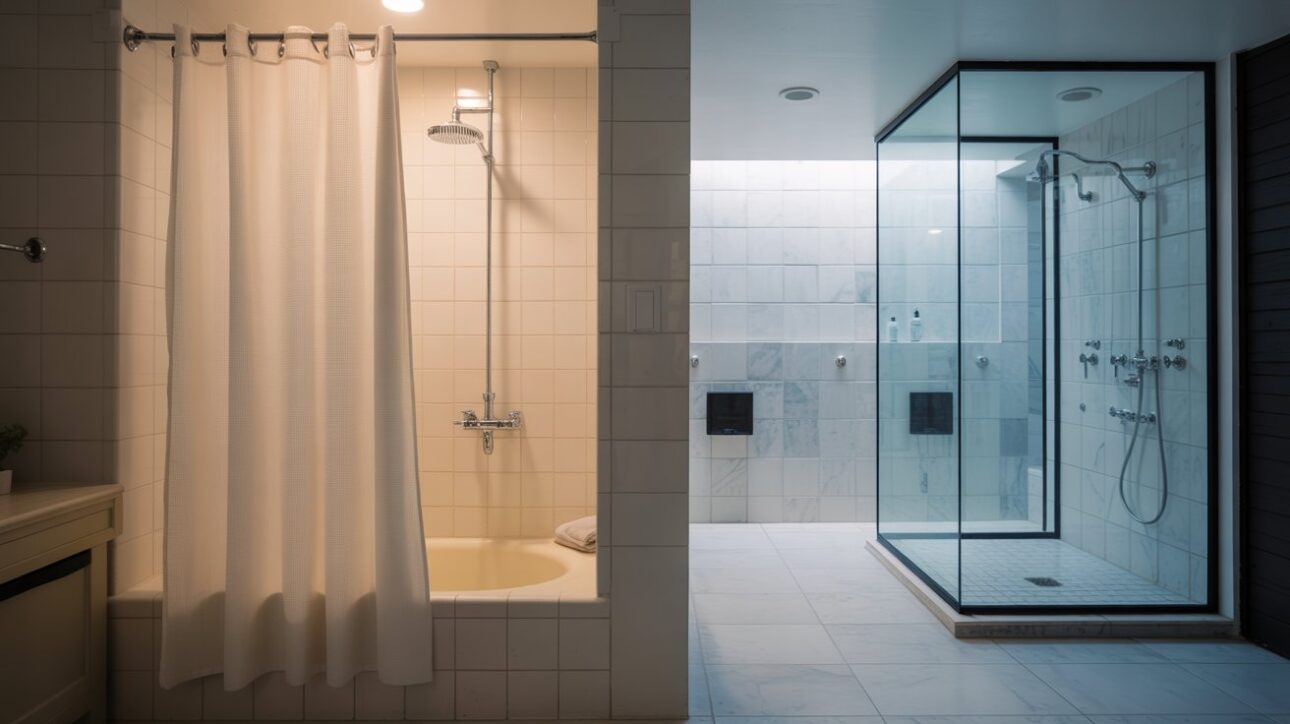
Contemporary projects are replacing the traditional shower with glass enclosures or curtains with integrated and clean visual solutions inspired by spas, featuring fewer partitions and more continuity between the areas.
This movement is noticeable in architectural offices and in the interior market reported by Latin American press, such as the Argentine portal TN, which describes an aesthetic and functional turnaround in this room.
-
OnePlus N6 Smartphone to Launch in India with 8,000mAh Battery and 45W SuperVOOC Charging, Lasting Up to Three Days

-
Scientists Plan to Release Air Bubbles Underwater to Protect Antarctica’s “Doomsday Glacier” from Melting

-
Chinese R6000 Drone Combines Airplane and Helicopter Features, Carries Up to 12 People for Multiple Missions
-
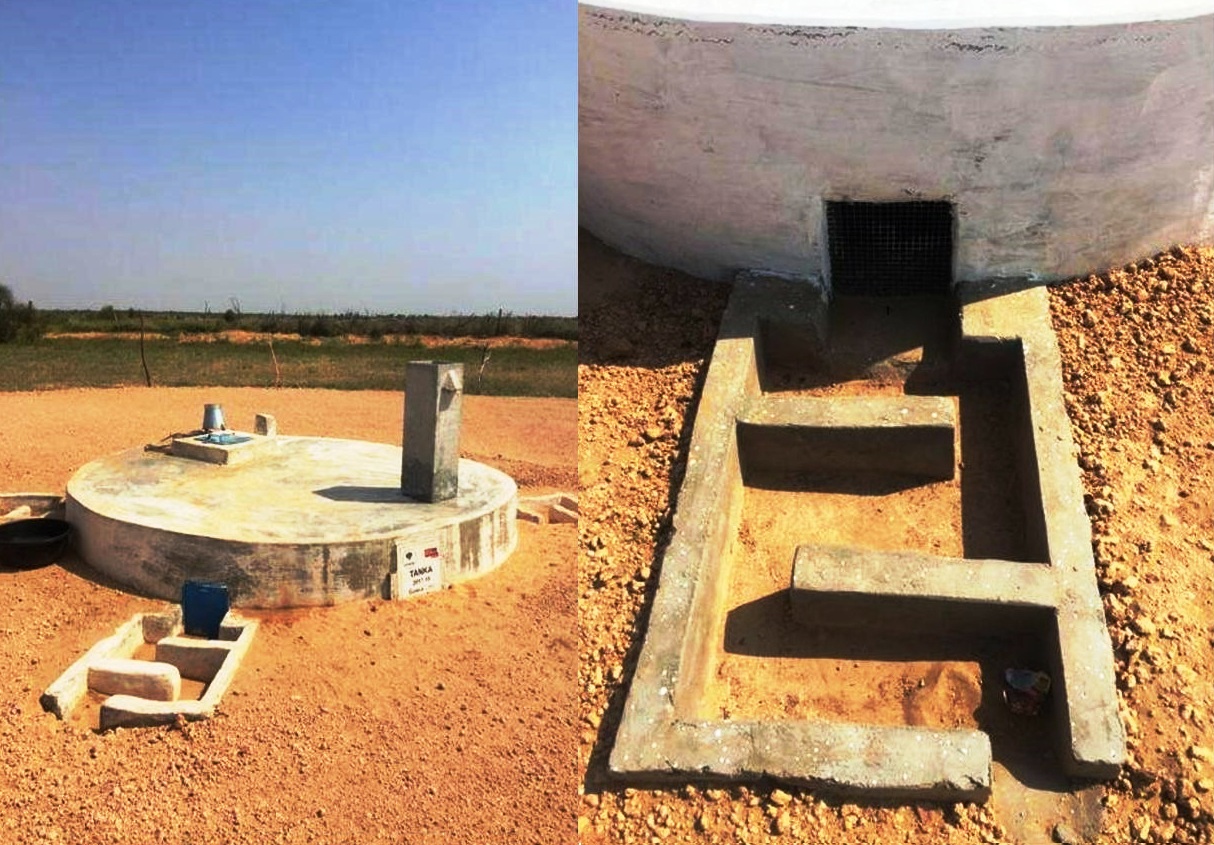
In the World’s Most Densely Populated Desert, Families Dig Funnel-Shaped Underground Cisterns to Capture Rare Rainfall and Store Drinking Water for Up to Eight Months




In general terms, the goal is to create a space for rest and self-care, paying attention to materials, light, and circulation.
Bathroom as a Wellness Refuge
The idea of a “refuge bathroom” has gained strength with recent residential architecture.
Instead of just housing the shower and sink, the space aims to convey calm and decompression after the daily routine.
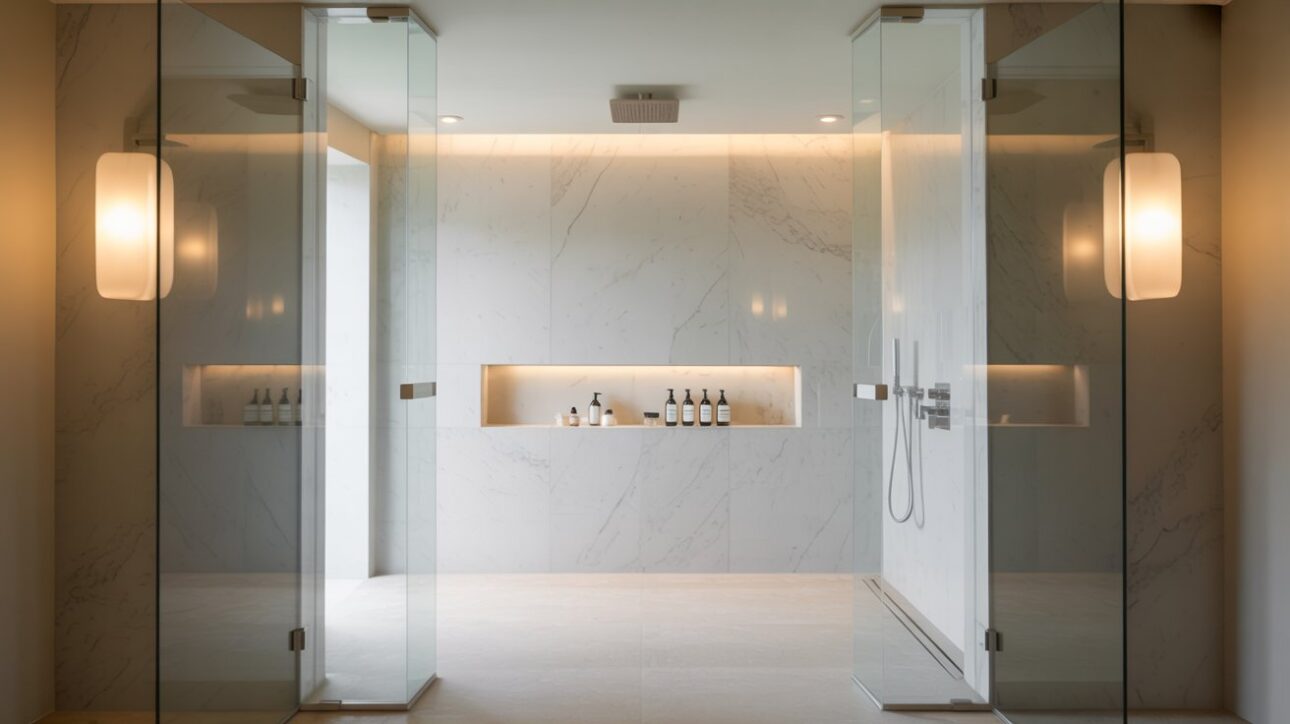
This perspective guides decisions that range from layout to finishing choices, enhancing the everyday experience of use.
In this context, the bathing area ceases to be an isolated volume.
The design prioritizes continuous planes, visuals without marked barriers, and materials that reinforce the feeling of expansiveness.
In small projects, this strategy often broadens the field of vision and reduces the feeling of tightness.
More Discreet Limits in the Bathing Area
The main transformation lies in the way the wet zone is delineated.
The obvious enclosure—with robust profiles, marked doors, or curtains—gives way to solutions that disguise visual limits.
The result is a lighter reading of the whole, without harsh interruptions between the shower and the rest of the space.
Architects point out that when it is not possible to eliminate the separation completely, at least softening it is worthwhile.
Increased transparency and the streamlined design of elements reduce visual noise, maintain protection against splashes, and preserve minimalist language.
Highlighting Solutions: Ultraclear Glass and Integrated Cabins
Among the most adopted alternatives are ultraclear glass panels, with discreet hardware and few profiles.
This type maintains the necessary protection while avoiding harsh cuts in the visual field.
Another possibility is integrated cabins into the layout, aligned with floor and wall tiling, almost without reading a separate “box.”
In larger bathrooms, open or semi-open shower areas are also increasing, with linear drains and precise floor slope, allowing for a more natural transition between zones.
When there are elevations or thresholds, they tend to be minimal, preserving the continuity of the design.
Valued Materials and Circulation
By reducing barriers, the project starts to highlight more the finishes of the floor and wall.
Colors, textures, and layouts come to the forefront, which requires careful attention in material selection and in the meeting between pieces.
A cleaner reading calls for well-executed finishes, from the grout to the frames. Circulation also tends to improve.
With fewer doors and corners, the pathway is intuitive and fluid, which benefits daily use.
In compact bathrooms, where every centimeter counts, the sense of visual expansiveness contributes to comfort and organization.
Spa and Hotel References as a Guide
The cited solutions are strongly inspired by luxury spas and resorts, where the bathroom is part of the relaxation experience.
This repertoire has migrated to residences with the intent of bringing the user’s daily life closer to a calmer and restorative ritual.
Lighting, for instance, ceases to be just functional and starts to compose layers—direct for tasks and indirect for moments of rest.
Proper ventilation remains central, especially in more open proposals, to control humidity and mold.
The design of the exhaust fan, the entry of natural air, and the sizing of drains are technical points that accompany aesthetic advancement.
What Industry Professionals Say
The perception that bathrooms are moving towards becoming “luxurious refuges” is attributed by professionals to a cultural shift in contemporary homes.
According to the creative director Katie McPherson of the design studio Mayer Davis, the current language gives the environment the status of a space for slowing down, not just hygiene.
In interviews about trends, designers emphasize that sensory comfort, welcoming materiality, and formal clarity guide the new layouts.
When this concept translates into the construction site, combinations arise, such as natural stones with subtle veins, large-format porcelain tiles, treated woods for wet areas, and metals with matte finishes.
Such choices go hand in hand with less visible hardware and built-in solutions, coherent with the goal of reducing visual interference.
Functionality Remains at the Center of the Project
Despite the aesthetic appeal, functionality does not take a backseat.
The absence of clear barriers requires precise calculations of slopes, positioning of the shower to avoid splashes, and sizing of drains.
The same applies to niches and countertops, which must meet real usage routines without cluttering the design.
In colder regions, thermal comfort deserves attention.
Heated floors, heated towel racks, and controlled ventilation help maintain the open proposal without sacrificing comfort.
In hot climates, the balance between natural ventilation and mechanical exhaust prevents unwanted condensation.
Impact on Maintenance and Longevity
Integrated solutions tend to facilitate cleaning by reducing profiles, trims, and tracks.
Fewer dirt accumulation points and exposed hardware mean simplified maintenance and longer component lifespan.
On the other hand, execution requires careful workmanship, especially in waterproofing and the installation of large-format pieces.
Projects that prioritize continuity also plan for the drainage of water more judiciously.
Built-in linear drains and discreet grilles contribute to the aesthetics while also enhancing drainage efficiency when correctly sized.
A Movement Aligned With Contemporary Design
The incorporation of aesthetics, practicality, and emotional comfort in the bathroom accompanies a broader trend in interior design that seeks to unite form and function in all areas of the house.
The clean language, simple volumes, and attention to touch and light that today guide living rooms and kitchens are forcefully arriving in the bathing space.
In this scenario, the traditional shower with an obvious enclosure loses prominence to minimal and integrated compositions, where the technology of materials and hardware works in favor of the experience.
The result is an environment that communicates calm, values finishes, and prioritizes daily well-being—without sacrificing essential technical criteria.
How do you imagine the ideal “refuge bathroom” in your home: with a completely open bathing area, almost invisible glass panels, or a cabin integrated into the layout?