






 Portuguese
  Spanish
  4 min of reading
  1 comment


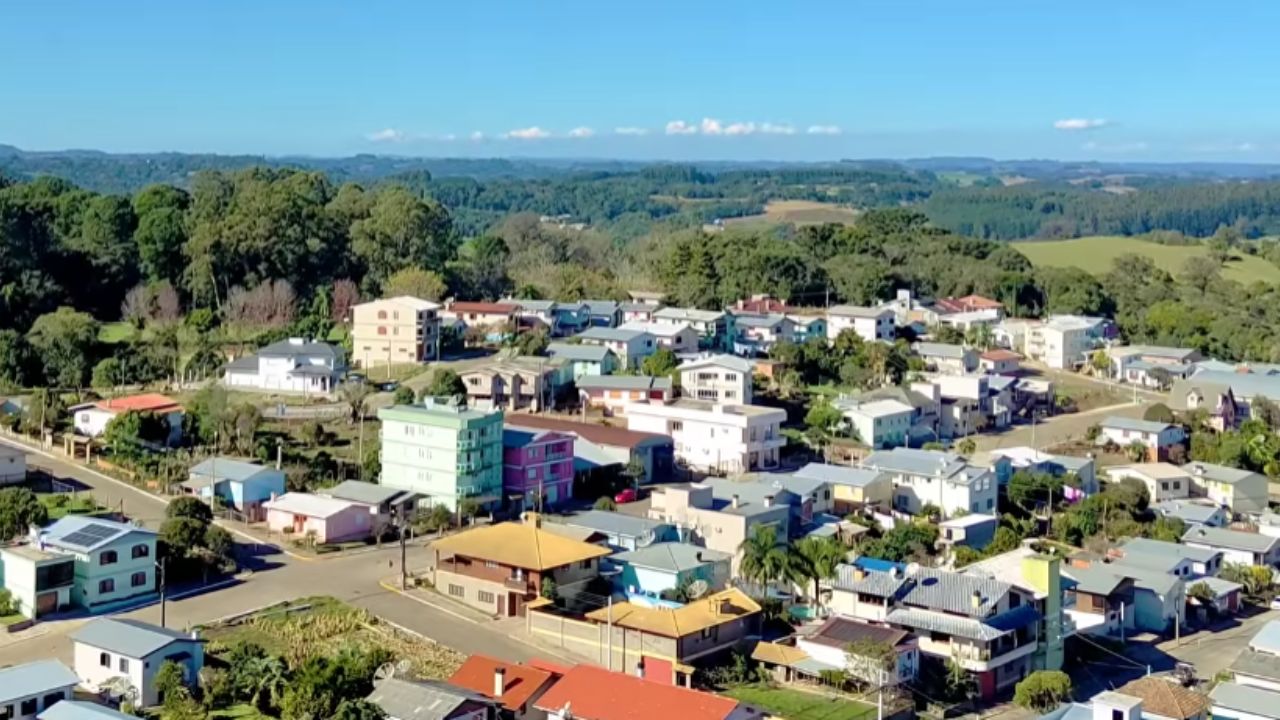


Analysis Reveals How the Gaucho City Became the Capital of Longevity and Why Its Success Goes Beyond Life Expectancy.
Veranópolis, in the Gaucho mountain range, is widely recognized as the capital of longevity in Brazil. A technical analysis of the data reveals why this phenomenon occurs: the city implements a successful aging model that is unique in the national scenario, focused not only on how long one lives, but on how one lives.
The city’s recognition began in 1981, not exactly because of life expectancy at birth (LEB), but due to its demographic structure. Data from the Brazilian Institute of Geography and Statistics (IBGE) at the time showed that over 17% of the population was elderly, a figure radically opposed to the national average of 3%. Decades later, a robust scientific project continues to decipher why people live so long and so well in the region, focusing on quality of life.
The Veranópolis Project: The Science Behind Quality of Life
The true differential of the capital of longevity lies in the “Veranópolis Aging and Longevity Project”. Launched in 1994 by geriatrician Dr. Emilio Moriguchi, this is a longitudinal study (population cohort) with over 20 years of uninterrupted research, focused on scientifically understanding the determinants of successful aging.
-
Survivor of 1966 SS Daniel J. Morrell Shipwreck in Lake Huron Recounts 38-Hour Ordeal in Extreme Cold

-
The Greatest Hoax in World Cup History? The Film That Denied Brazil’s 1958 Victory and Exposed How Fake Evidence Can Seem Convincing on TV
-
Fake South Korean Online Stores Offer Shopping Thrill Without Spending Money or Receiving Products
-
The War of Jenkins’ Ear: How a Severed Ear Sparked One of the 18th Century’s Most Unusual Conflicts


This project is the primary scientific source on the topic in the city and was pioneering in Brazil, preceding the global popularization of the concept of “Blue Zones”. The research, which has already produced dozens of master’s dissertations and doctoral theses, was crucial in identifying the pillars that support the health of local elderly individuals. The focus of the study is not only on how long people live, but on how they live, analyzing Healthy Life Expectancy (HALE) and the maintenance of autonomy.
The 8 Pillars of Living Well in Veranópolis

The discoveries of the Veranópolis Project delineated a behavior model that explains the vitality of the elderly population, summarized in eight fundamental pillars. The first includes low stress levels and a drastic reduction in smoking, creating a calm social environment. Additionally, maintaining intense physical activity routines, often linked to working the land (gardening) or daily walks, is vital for preserving muscle mass and preventing disabilities.
Other crucial factors are diet and social capital. Meals are characterized by regular and balanced eating, with an emphasis on consumption of vegetables grown in local gardens, ensuring food security and high nutritional quality. Moderate consumption of homemade red wine is also cited as a cultural habit. Above all, the project highlights the strong family and community ties and active participation in social and religious activities, factors that combat isolation and depression.
Why Veranópolis Is Not a Coincidence: Health and Development
The longevity of Veranópolis is not an isolated cultural phenomenon; it is supported by a robust infrastructure and effective public policies. The success of the city is the end result of a high Municipal Human Development Index (MHDI). This index reflects economic stability, high education levels, and, above all, efficient health services that serve as the foundation for long life.
The role of Primary Health Care (PHC) is decisive. The local system is highly effective in early detection and management of chronic diseases (such as diabetes and hypertension), allowing citizens to age with less disease burden and more functionality. This scenario directly contrasts with municipalities of low MHDI, such as Melgaço (PA), where structural failures in basic health, education, and employment prevent the population from achieving high life expectancy, proving that longevity is a product of comprehensive social development.
Therefore, Veranópolis consolidates itself as the capital of longevity in Brazil for a fundamental achievement: to scientifically prove that it is possible to age with high quality of life, autonomy, and functionality within the national reality. The city’s model, based on social cohesion, healthy habits, and an effective primary health system, offers a valuable roadmap for a rapidly aging Brazil.
The model of Veranópolis, with a strong focus on community, local diet, and active living, would be applicable in your city? Which of these “pillars” do you think are most lacking where you live? Share your opinion in the comments, we want to know your perspective.





Aqui onde moro Maranhão, falta saneamento básico, saúde para todos com acesso facilitado e educação. Mas já melhorou muito.