






 Portuguese
  Spanish


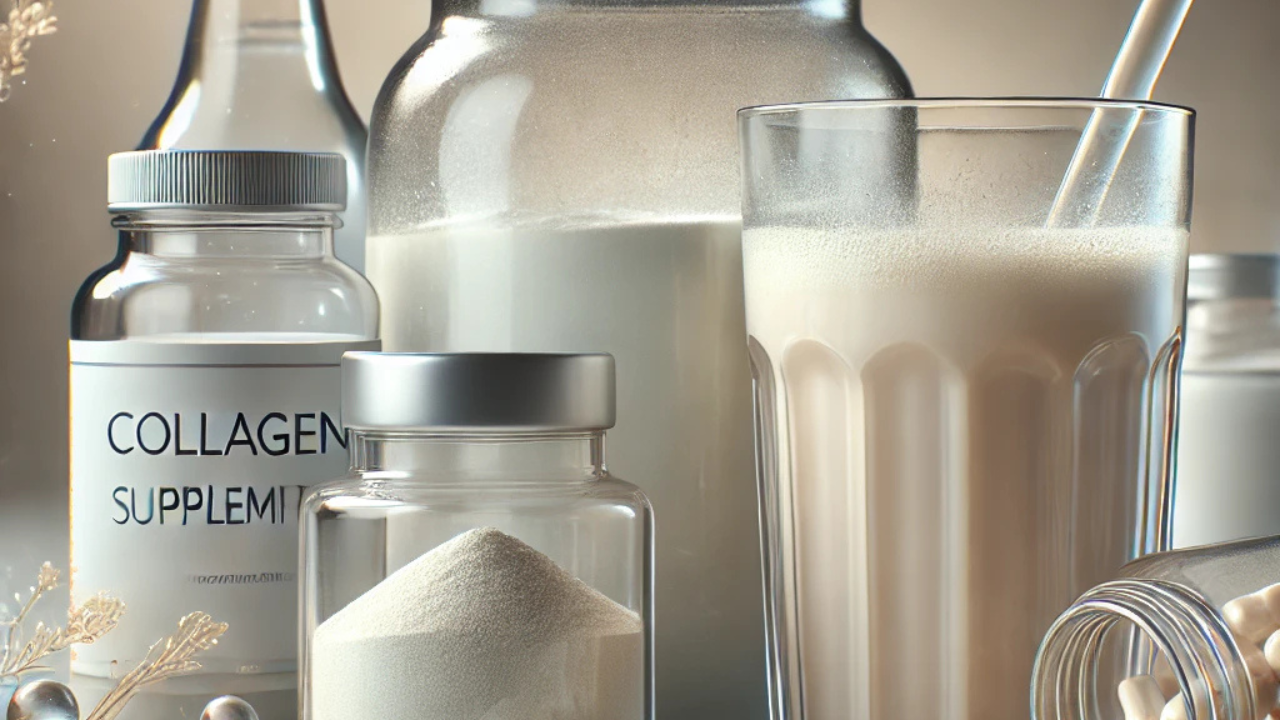


Discover The Truth About Collagen! Studies Analyze Whether The Supplement Works And What Evidence Exists Of Its Benefits For The Skin.
In recent years, it is clear that collagen is the protein that has become one of the most popular supplements on the market, being promoted as a solution for youthful skin, healthy joints, and even for strengthening hair and nails.
But, is this protein really as miraculous as they say? Recent studies aim to clarify the real benefits of collagen and whether the evidence is strong enough to justify its consumption.
What Is Collagen And How Does It Work In The Body?
Collagen is the most abundant protein in the human body and plays an essential role in the structure of the skin, tendons, ligaments, and cartilage.
-
China Develops Custom 140-Ton Electric Mining Truck with 770 kWh Swappable Battery, Deploys 290 Units in Xinjiang’s Largest Zinc Mine

-
Meta to Launch Arena, a New Prediction App Targeting 3.56 Billion Users, Competing with Polymarket and Kalshi

-
Scientist Challenges Famous Human Evolution Theory, Argues Homo Sapiens Evolved Gradually Over Thousands of Years
-
How to Prevent Brown Recluse Spider Bites: Common Hiding Spots and Free Tips to Reduce Risks




As time passes, its natural production decreases, resulting in signs of aging such as wrinkles and loss of skin elasticity, as well as joint problems.
To try to compensate for this loss, many people turn to supplementation.
The market offers various forms of the supplement, including powders, capsules, gummies, and drinks, each promising different benefits.
What Do Studies Say About Collagen?
Studies on the effectiveness of collagen supplementation are still in the early stages. Some research indicates that it may have benefits, particularly for skin and joint health.
However, it is important to consider that many of these studies are funded by the supplement industry itself, which raises questions about potential biases.
A recent meta-analysis reviewed several studies and suggested that hydrolyzed collagen may improve skin hydration and elasticity.
However, scientists highlight that more independent research is needed to confirm these effects.
Furthermore, some research on collagen supplementation for osteoarthritis suggests a short-term reduction in pain, but long-term effects remain uncertain.
Does The Body Really Absorb Collagen From Supplements?
One of the big questions raised by experts is whether the ingested collagen actually reaches its intended destination in the body. When we consume a protein, whether in supplement form or through food, it is broken down into amino acids during digestion.
The body then uses these amino acids to form the proteins it needs at that moment, which will not always be transformed back into collagen.
To optimize absorption, experts recommend consuming hydrolyzed collagen alongside vitamin C, which helps with protein synthesis in the body.
Still, there is no guarantee that the ingested collagen will translate into visible benefits for the skin or joints.
Are There Risks In Taking Collagen Supplements?
Collagen supplementation is considered safe for most people, as known side effects are rare and mild, such as gastrointestinal discomfort. However, some points should be noted:
Supplement Quality
Not all products available on the market have the same quality. Some brands may contain unwanted additives or questionable sources of ingredients.
Interaction With Medications
For those taking medications, especially those affecting protein metabolism, it is important to consult a healthcare professional before starting supplementation.
Environmental Impact
Animal-derived collagen may be associated with environmental impacts, such as deforestation, especially in supplements produced from cattle raised in regions such as the Amazon.
Is It Worth Taking Collagen Supplements?
The decision to take collagen as a supplement depends on several factors, such as personal goals, cost, and expectations for results.
If the intention is to improve skin or joint health, some evidence suggests that hydrolyzed collagen may provide benefits when consumed regularly and coupled with a balanced diet.
However, experts emphasize that maintaining a diet rich in proteins and vitamin C, along with healthy habits like sun protection and physical exercise, is a more effective and proven strategy to preserve skin youth and joint health.
Collagen supplements can be an interesting option for some people, but they are not a magic solution.
Although some studies indicate positive effects, there remains a lack of independent, high-quality research to definitively prove their benefits.
For those looking to invest in the supplement, the key is to choose high-quality products and combine their use with a balanced diet and a healthy lifestyle.
Otherwise, investing in foods rich in proteins and antioxidants may be a more natural and accessible alternative to maintaining health and beauty.




