






 Portuguese
  Spanish
  5 min of reading
  0 comments


Considered the driest desert on the planet, the Atacama surprised once again and turned into a mosaic of pink and lilac hues. The flowering desert phenomenon occurs when rare rains activate dormant seeds, and more than 200 species of flowers bloom almost simultaneously in the formerly desert landscape of Chile.
There is a place on Earth where years can pass without a drop of rain, and yet, from time to time, it wakes up covered in flowers. This place is the Atacama Desert in northern Chile, known as the driest point on the planet. In 2026, the unthinkable happened again: the arid, brown landscape transformed into a carpet of colors, with more than 200 species of flowers blooming simultaneously in the so-called flowering desert according to the BBC.
The trigger came from the sky. Unusual rains, outside the pattern of a region that barely sees moisture, soaked the soil enough to awaken seeds that had been dormant for years. In a few weeks, shades of pink and lilac took over areas that once seemed dead, and the flowering desert once again proved that nature holds surprises even where life seems impossible. It was a spectacle that caught many by surprise.
The driest desert in the world, covered in flowers
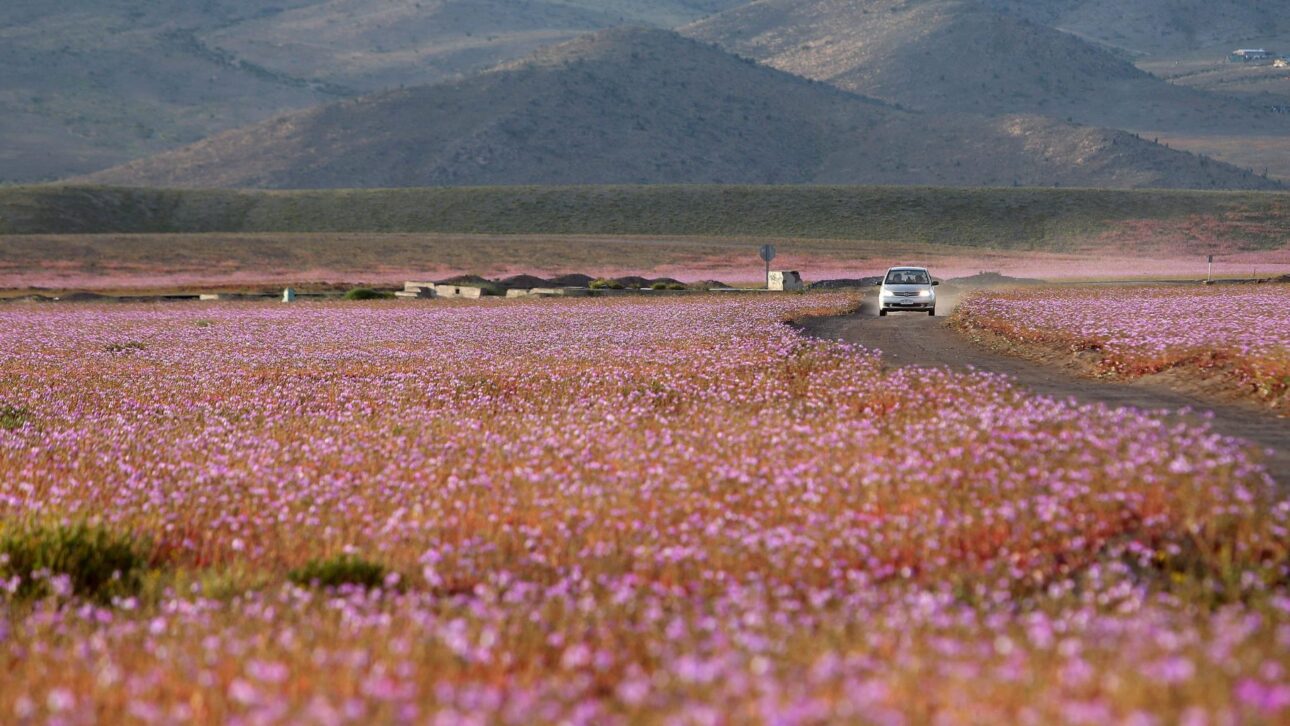
The charm of the flowering desert lies precisely in the contrast. The Atacama is so arid that it serves as a laboratory for science to simulate the conditions of Mars, and there are records of places where it barely rains for years on end. Seeing this same soil covered by a carpet of flowers is the kind of image that seems like a montage, but it is real. When conditions align, more than 200 species can germinate almost simultaneously, painting dunes and slopes in pink, lilac, white, and yellow.
-
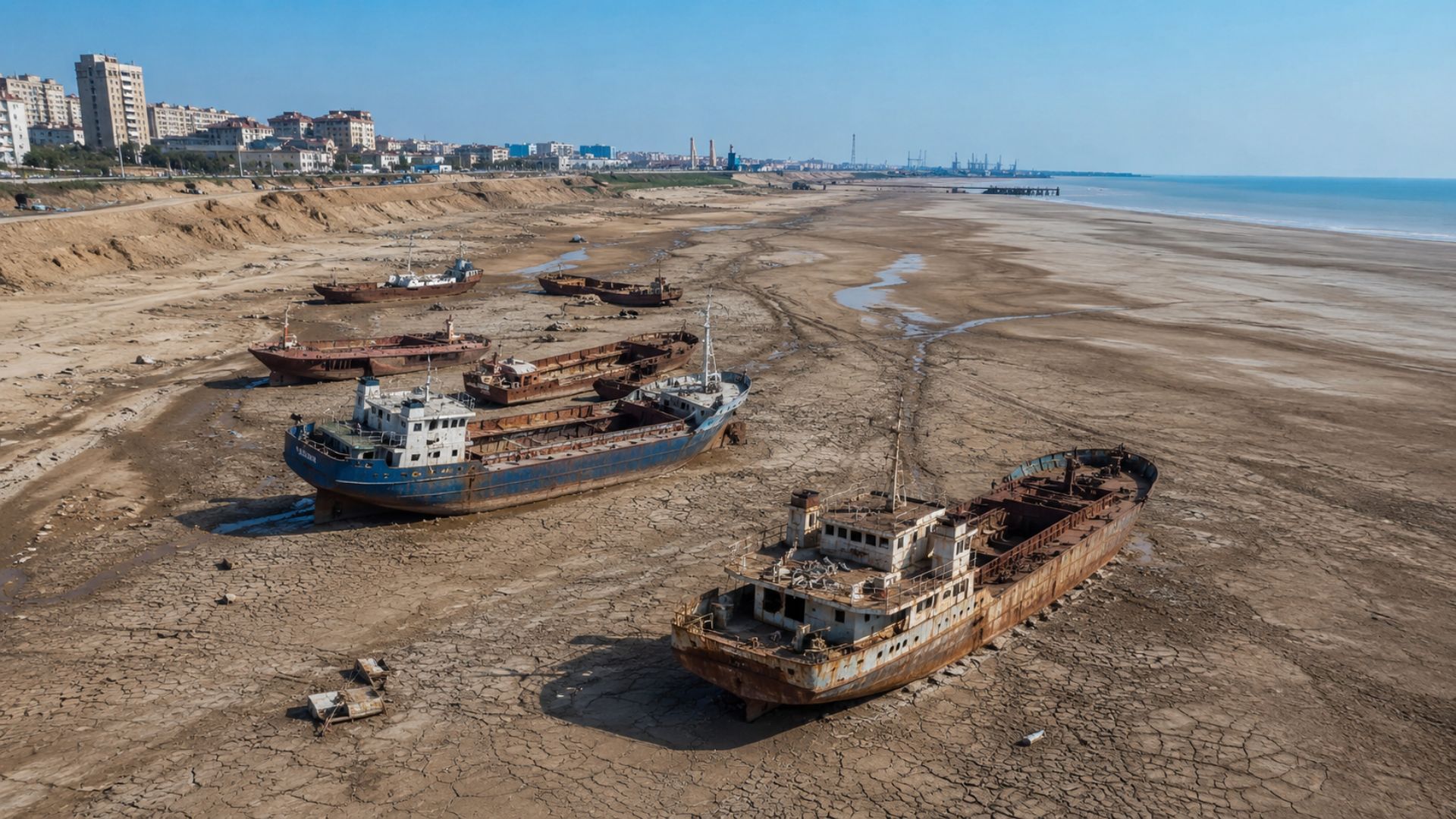
The Caspian Sea, the largest lake in the world, is drying up due to climate change and no one can stop the loss: evaporation could lower the level by up to 21 meters this century and turn ports in Kazakhstan, such as Aktau, into desert.

-
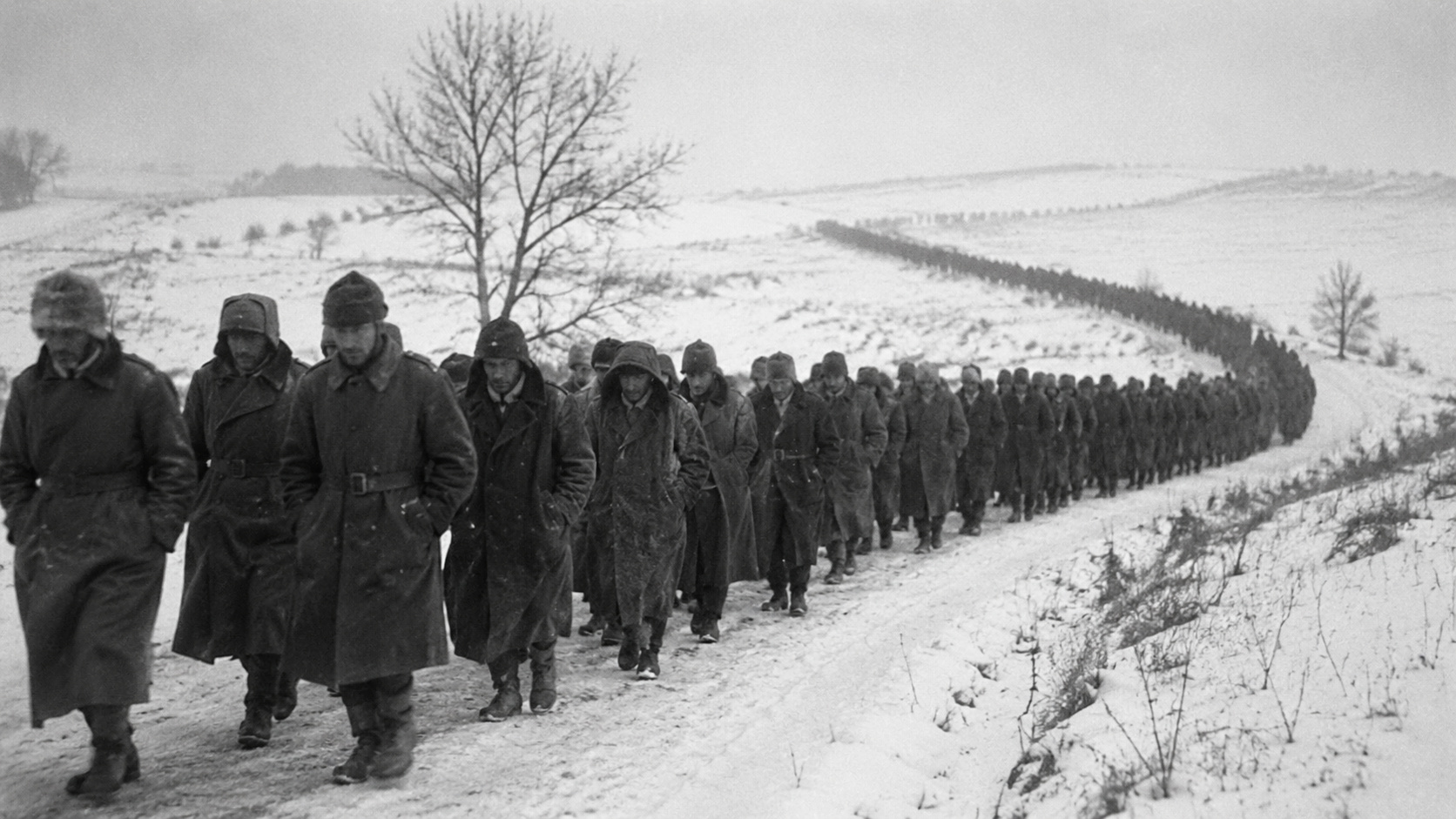
How Romania became Hitler’s “gas station,” supplying about half of the oil used by Nazi Germany, and surprised the world by abandoning the Axis in 1944, just when the fuel shortage was beginning to suffocate the Third Reich.

-
Adored by more than 1.5 million fans and famous for crossing deserts and mountains with its owner, a famous dog is stolen and ends up being served in a restaurant in China.
-
Son of a Chinese immigrant who sold tea in the countryside of São Paulo, Zhang Ye almost went bankrupt in 2021 and today, at 28 years old, claims to earn 1 million reais per day and has become the number 1 on TikTok Shop in Latin America.


And they are not just any flowers. The blooming desert reveals species typical of the region, such as añañucas, suspiros, patas de guanaco, and garras de leão, many of them adapted to survive exactly this extreme cycle. With the flowers also come pollinating insects and birds, and what was once an apparent void transforms into a bustling ecosystem of life. For a few weeks, the driest place on Earth becomes one of the most colorful.
The secret lies in the dormant seeds
To understand the phenomenon, you need to look beneath the ground. Scattered across the Atacama soil are seeds that remain dormant for long periods, sometimes for many years, equipped with natural mechanisms that protect them from the brutal heat and lack of water. They do not die, they just wait. It is a refined survival strategy, where the plant bets that, at some point, the right rain will come.
When this unusual rain finally falls, the clock starts ticking. The dormant seeds absorb the moisture and quickly begin germination, taking advantage of the short window of available water before the desert dries up again. Experts point out that, for the blooming desert to happen in its fullness, it is necessary to accumulate something between 15 and 30 millimeters of rain, especially in the right months, along with a combination of temperature and humidity that does not always repeat. It is a delicate fit, and that is why the result is so impressive.
Why the blooming desert is so rare and unpredictable
Despite its charm, the blooming desert is not a fixed calendar event. It depends on a rare combination of climatic factors, and that is why it can appear in some years and disappear in others. Estimates indicate that, in the last four decades, the Atacama has experienced about 15 major blooms, which shows how special the phenomenon is, even when it repeats. Each episode has its own intensity, its palette of colors, and its area of reach.
There is also an interesting scientific debate behind the flowers. Some of these blooms are associated with years of heavier rains, often linked to large-scale climatic phenomena, and researchers observe that changes in the climate may alter the frequency of these events. In other words, the same blooming desert that dazzles the eyes also functions as a thermometer of what is happening with the region’s climate. Here, beauty carries information.
A spectacle that became a national park


The grandeur of the phenomenon caught the attention of the authorities. In 2023, the Chilean government created a national park specifically dedicated to protecting the flowering desert landscape, covering about 570 square kilometers of the Atacama. The idea is to preserve a rare natural heritage and, at the same time, organize visitation, as the phenomenon attracts tourists and curious people from various parts of the world when it occurs.
This care makes sense because the spectacle is as fragile as it is beautiful. Stepping off the trails, picking flowers, or wandering without guidance can destroy seeds and seedlings that took years to have their chance. Protecting the flowering desert ensures that the next rare rains still find a living soil, ready to repeat the miracle. Between extreme aridity and the explosion of color, the Atacama continues to remind us that nature is stubborn and full of tricks.
When life insists in the most unlikely place
In the end, the flowering desert of the Atacama is one of those stories that start with the image of absolute dryness and end in a field of flowers. More than 200 species emerging from nowhere, awakened by a rare rain, in the driest place on Earth, is the kind of phenomenon that reminds us of how resilient life is. The seeds waited, the water came, and the desert responded with color.
And you, had you heard of the flowering desert or imagined that the most arid point on the planet could turn into a carpet of flowers like this? Tell us in the comments if you would put this Atacama spectacle on your list of places to see at least once in your life.





Be the first to react!