






 Portuguese
  Spanish
  6 min of reading
  0 comments


The young woman swapped rent for a small 15-meter boat, renovated cramped rooms, reduced monthly expenses, and started dealing with water, heating, waste, and maintenance in the routine of the UK’s canals
Without her own home and pressured by rent, the 25-year-old Dottie Turnbull bought a small 15-meter boat in the UK and transformed the vessel into a home. The boat, called The Tanglewood, became a house after a gradual renovation, with painting, new flooring, a renovated kitchen, and a larger bathroom.
The information was published by Business Insider, an economic and lifestyle news site. The purchase took place in September 2021, when Turnbull found the blue boat and decided to swap her rented house for life on the canals.
The amount paid was £30,000, which is approximately R$ 205,000. The case draws attention because it mixes alternative housing, compact renovation, and a monthly saving that can exceed R$ 6,800, without hiding the manual tasks that come with this lifestyle.
-
Largest bridge in São Paulo reaches 75% completion and is expected to strengthen strategic connection in the interior of São Paulo.

-
Tired of seeing families sleeping on the street, São Paulo delivered 18 m² furnished microhouses and took 888 people off the streets: Vila Reencontro became the model social housing for the homeless population.
-
The hydroelectric plants on the Madeira River, like Jirau, came for the energy, but now the drought wave has reduced artisanal fishing by 39% and emptied the tables of the riverside communities in the Amazon.
-
The Zuluk road has 32 zigzag curves at 3,400 meters in the Himalayas, originated as the Silk Route in Sikkim and became a military border where foreigners cannot pass.


The small 15-meter boat became an alternative to renting in the UK
Before the change, Turnbull lived in a small one-bedroom house in Cambridgeshire, UK. She liked the property, but the owner decided to sell it. From there, the young woman saw life on a boat as a chance to have more autonomy.
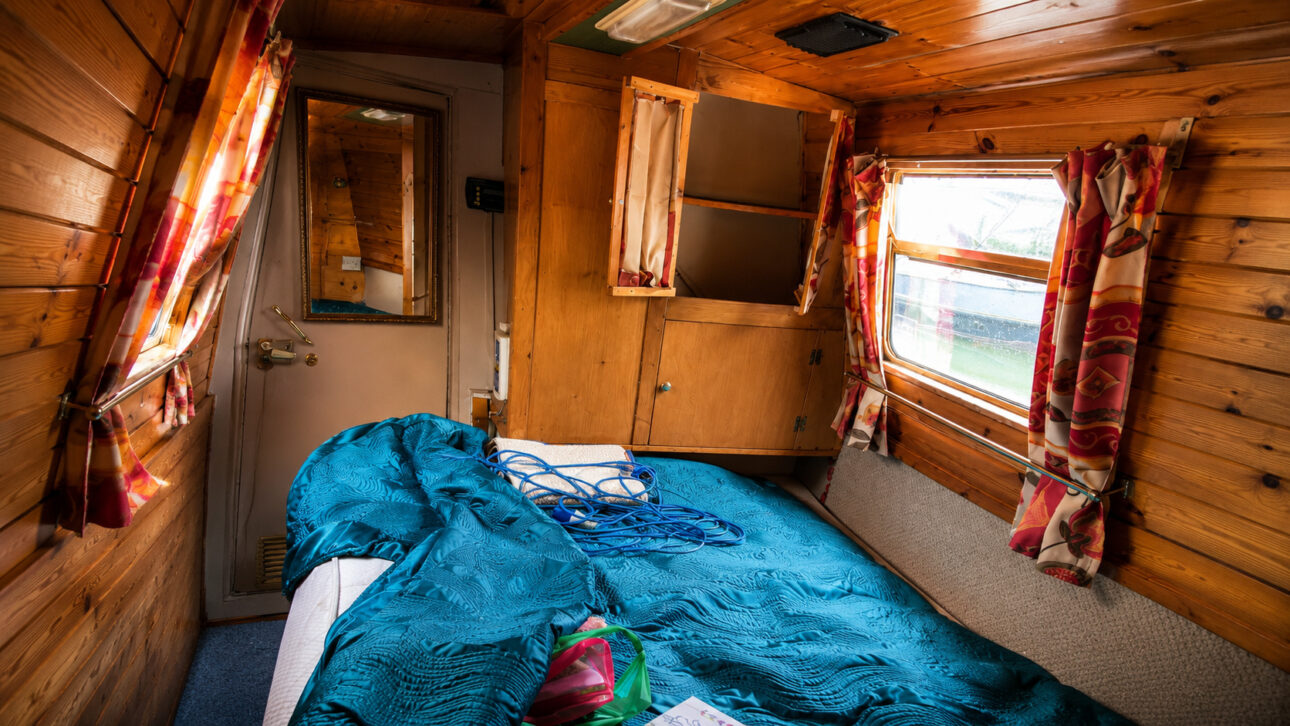
The The Tanglewood had a kitchen, living room, bedroom, and bathroom. On the outside, the boat needed to be secure to avoid sinking. Inside, there was dark wood, old flooring, and areas that required renovation.
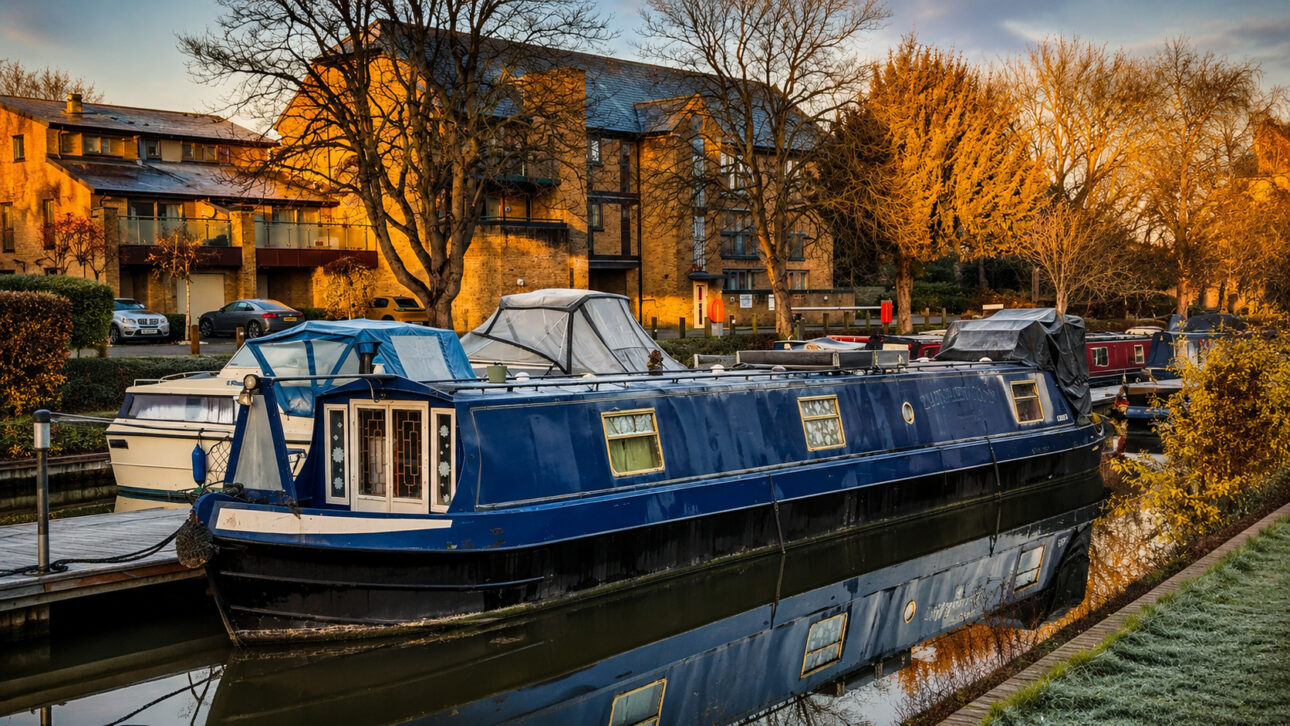
She didn’t buy a ready-made house on the water, but a structure that could be transformed, as long as she accepted living in a narrow space and making changes slowly.
For those in Brazil, the best comparison is to think of a long, very narrow, floating house. Every piece of furniture, every cabinet, and every passage needs to make sense, because there is no excess space.
The renovation lasted about a year and kept the base of the boat
Turnbull boarded the boat in September 2021 and started the renovation gradually. Instead of tearing everything down and rebuilding from scratch, she kept the base of the rooms and worked on what fit the budget, time, and experience she had.
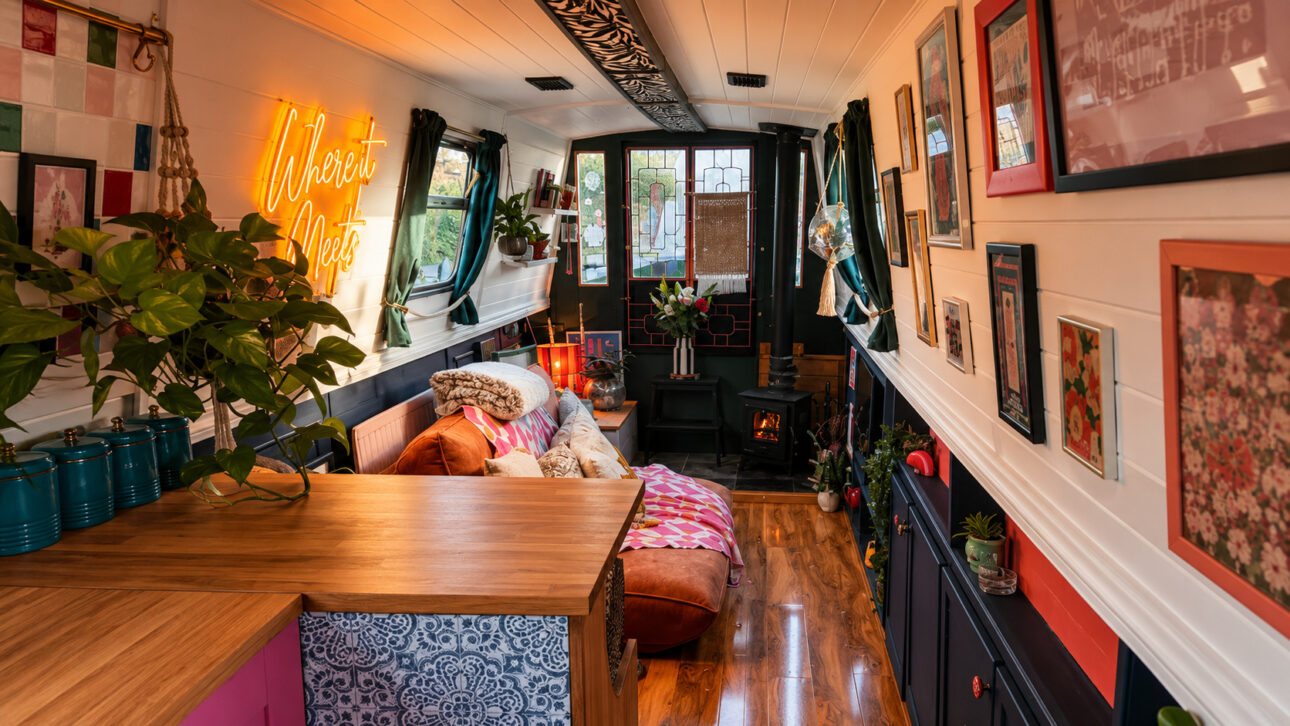
The renovation included white paint on the walls, removal of old parts, floor replacement, and changes in the kitchen. The dark wood made the interior heavy, and the paint changed the feel of the space.
The living room and kitchen became more connected after the removal of a partial partition. In its place, an L-shaped counter was installed, which helped make better use of the space between the two areas.
In the bathroom, a wall was removed to slightly enlarge the room. This allowed for a better sink installation and made daily use more comfortable in a small living space.
Larger bathroom, new floor, and strong colors changed the sense of space
The interior of the boat became brighter and more colorful with the renovation. The living room received new paint, blue details, and decorative elements that gave it the appearance of a home, not an old boat.
The kitchen got a new counter, shelves, and support space. Even though it’s small, it has an oven, stove, and sink, basic items for a complete living routine.
The bedroom also received visual changes and cabinets around the bed. In a small 15-meter boat, storing clothes, objects, and daily items requires creativity.
The bathroom was one of the most challenging areas. The floor needed to be placed on a moving structure because the boat is on water. In a regular house, the floor doesn’t sway. On the boat, even a simple renovation can require more patience.
How much she started spending living on a boat
Business Insider, an economic and lifestyle news site, detailed the numbers of Turnbull’s routine on the boat. She started spending about £500 per month, roughly R$ 3,400 in approximate conversion.
This expense includes mooring fees, gas, and general maintenance of the boat. Mooring is the fee paid to keep the boat docked in a designated area.
Previously, in the rented house, she paid about £1,500 per month, roughly R$ 10,200 in approximate conversion. The difference was around £1,000 per month, about R$ 6,800.
This savings helped the young woman live alone at a time when living without sharing costs can be difficult in the United Kingdom. The boat became a way to reduce expenses without returning to a shared house.
Living on a boat requires more work than it seems in photos
Life on the canals doesn’t just depend on a nice renovation. The resident needs to take care of tasks that, in a regular house, go almost unnoticed.
Turnbull needs to deal with water, diesel for heating, gas, bathroom, and waste. This means filling the reservoir, planning supplies, and taking care of proper waste disposal.
Heating also requires attention, especially in the cold. The bathroom doesn’t work like in a regular house because it needs to be emptied as part of the boat’s maintenance routine.
She chose to maintain a permanent mooring point. This makes daily life easier because continuously navigating would increase the search for water, diesel, and waste disposal locations.
The smaller marina brought a community routine and more stability
Initially, Turnbull stayed in a marina with about 200 boats. In 2023, she secured a spot in a smaller marina, with 8 people living there.
The change brought a more community-oriented and stable environment. For those living on a boat, having a fixed place to return to helps in organizing the routine and reduces part of the daily pressure.
Even with the savings, life is not entirely simple. There is cold, maintenance, planning, and constant care for the boat.
Still, the young woman found in this format a way to live with more freedom. The small boat became a home, a renovation workshop, and the base of a routine less tied to traditional rent.
The case shows an alternative housing, but not an easy solution for everyone
The 15-meter boat purchased by Dottie Turnbull shows how an alternative dwelling can reduce expenses when a person is willing to live in a small space and handle maintenance. The monthly savings are significant, but the routine requires effort.
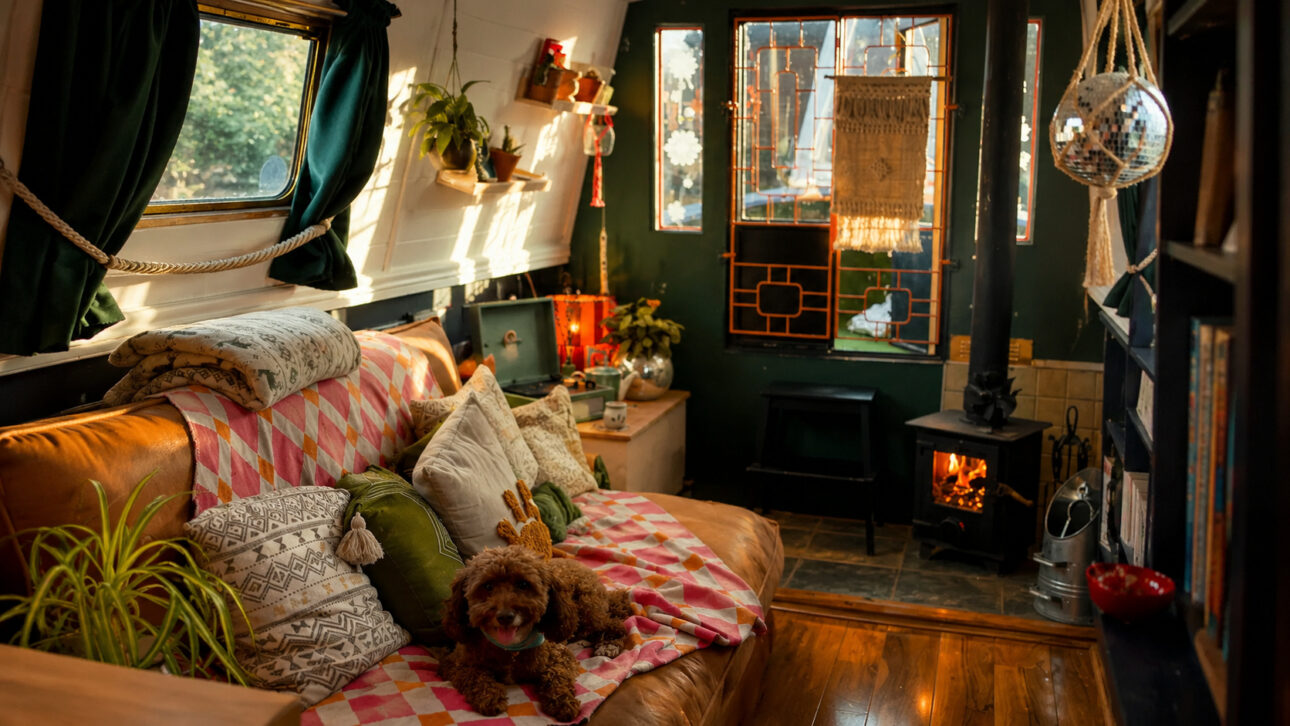
The case also shows that a compact renovation is not just about decorating walls. On a boat, each change involves space, weight, circulation, water, heating, and daily use.
The story draws attention due to the contrast: she left renting, bought a vessel, renovated the interior, and started paying less per month. But the switch came with tasks that many people might not be willing to do.
Would you live on a small boat to spend less and have more freedom, even needing to take care of water, heating, bathroom, and maintenance every day? Comment and share with those who are also interested in unconventional housing.








Be the first to react!