






 Portuguese
  Spanish


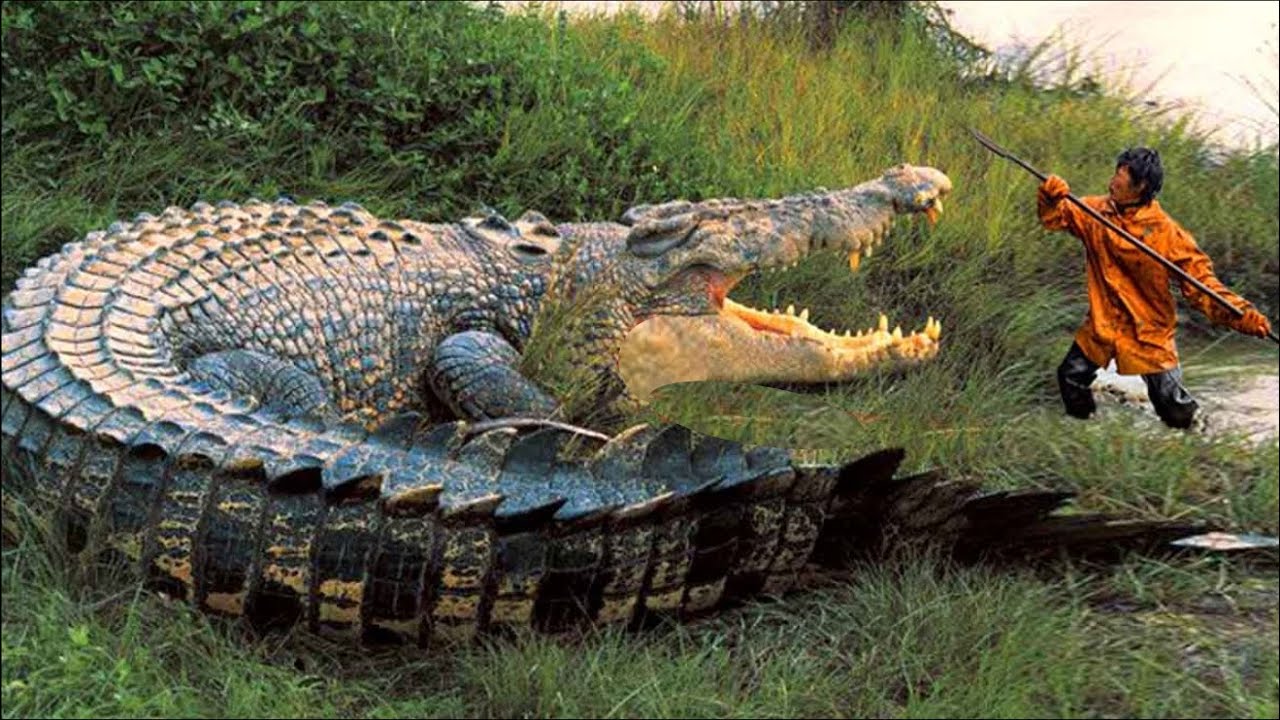


Lolong, At 6.17 Meters And Weighing Over 1 Ton, Was The Largest Crocodile Ever Measured Alive In The World, Officially Recognized And Documented By Science.
On a planet where most large predators have been drastically reduced over the centuries, one animal managed to break any modern reference of size and strength. Lolong, a saltwater crocodile (Crocodylus porosus), not only impressed local residents in the Philippines but also entered officially into scientific history by being recognized as the largest crocodile ever captured and measured alive in the world.
The case of Lolong is not a legend, a popular exaggeration, or an ancient account difficult to verify. It is a documented, measured, weighed, and certified animal, becoming one of the most extreme examples ever recorded of modern wildlife.
Where Lolong Was Found And Why It Attracted Attention
Lolong was captured in 2011, in the province of Agusan del Sur, in the south of the Philippines, after a series of alerts from local residents about the presence of a gigantic crocodile in the rivers of the region.
-
Viral Video of Giant Gold Nugget in Brazil’s Oiapoque Revealed as Painted Rock by French Guiana Miner

-
18th-Century Treasure Uncovered in Brazilian Amazon: 20 Réis Coin and Dutch Pipes Found at Construction Site
-
New York Resident Uncovers Complete Mastodon Jawbone in Backyard After Spotting Teeth Emerge from Ground
-
Young Treasure Hunter from Brazil’s Balneário Camboriú Finds $22,000 in Jewelry with Metal Detector, Aims for $1 Million, and Returns iPhone Found in Ocean


Unlike occasional encounters with large animals, Lolong came to be associated with fatal attacks, which led environmental authorities to organize an unprecedented operation to capture him alive.
The capture involved dozens of people, heavy equipment, and days of work, demonstrating from the outset that this was not a common crocodile.

The Real Dimensions That Shocked Science
After the capture, Lolong was subjected to official measurements conducted by specialists. The confirmed numbers placed the animal in a category virtually without precedent in the modern era.
Lolong measured 6.17 meters in length and weighed approximately 1,075 kilograms, easily surpassing the one-ton mark. For comparison, this length is greater than that of many passenger cars, and the weight exceeds that of several adult rhinoceroses.
These measurements were fundamental for the animal to be officially recognized by the Guinness World Records as the largest living crocodile ever recorded with reliable measurements.
The Species Behind The Giant
Lolong belonged to the saltwater crocodile species, considered the largest living reptile on the planet. This species can inhabit both freshwater environments and coastal and estuarine regions, known for its aggressiveness, intelligence, and immense capacity for growth throughout its life.
The difference is that crocodiles of this species continue to grow throughout their lives, provided they find enough food and are not killed by predators or humans.
Lolong is an extreme example of this continuous growth, likely fueled by decades of abundant access to prey and the absence of natural threats.
Estimated Age And Growth Time
Experts estimated that Lolong was over 50 years old at the time of capture, which helps explain his extraordinary size. Very few crocodiles manage to live that long in natural environments, especially in densely populated areas.
Each additional decade of life allowed the animal to accumulate more body mass and length, something impossible to observe in crocodiles that die younger.
From Local Threat To Scientific Heritage
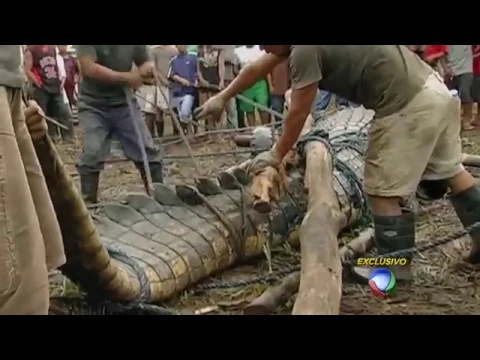
After the capture, Lolong was transferred to an ecological park in the Philippines, where he was kept under veterinary care and scientific monitoring. The goal was not only public safety but also environmental education and research.
During his time in captivity, Lolong became a national symbol, attracting visitors, researchers, and international attention. His body provided valuable information about physiology, extreme growth, metabolism, and biological limits of the species.
The Death Of Lolong And The End Of A Living Record
In 2013, about two years after his capture, Lolong died due to health complications, including heart problems and pneumonia, conditions exacerbated by stress and the animal’s exceptional size.
With his death, the existence of the largest living crocodile ever measured came to an end, but the record remains intact to this day. No other documented crocodile has officially surpassed his dimensions.
Lolong Is Not A Legend, It Is A Biological Limit
Unlike ancient accounts of giant crocodiles without verification, Lolong represents a real and documented limit of animal growth in modern times. He showed how far a predator can go when living long enough, in a favorable environment, and without significant human interference.
More than a record, Lolong became a scientific reference and a warning about coexistence between megafauna and human areas.
Lolong did not enter history just for being large. He redefined parameters, shattered expectations, and showed that even in the 21st century, nature is still capable of producing creatures that seem to have come from another era.
While many giants of the past are restricted to fossils, Lolong existed, was measured, documented, and observed. A true living colossus of our time.


Nobody is going to comment on how it said it weighed more than several adult rhinos? Adult rhinos can reach over 5,000 lbs. Along with a good fact check, this should have had a lengthy grammar and spell check as well.
It was fine untill it got captured.The largest i have ever seen surpassed that. It was in south western New Briton. Back in the 60s.My father shot it as it was killing pigs and such like. Its eyes shone as big as dinner plate.He was a medical patrol officer In TPNG .That **** was a bit over 26 feet.So they can grow bigger
The stress of being captured is what led to his death. Scum humans always causing problems.
He was eating people
Should have fed him pedophiles and let him be