






 Portuguese
  Spanish


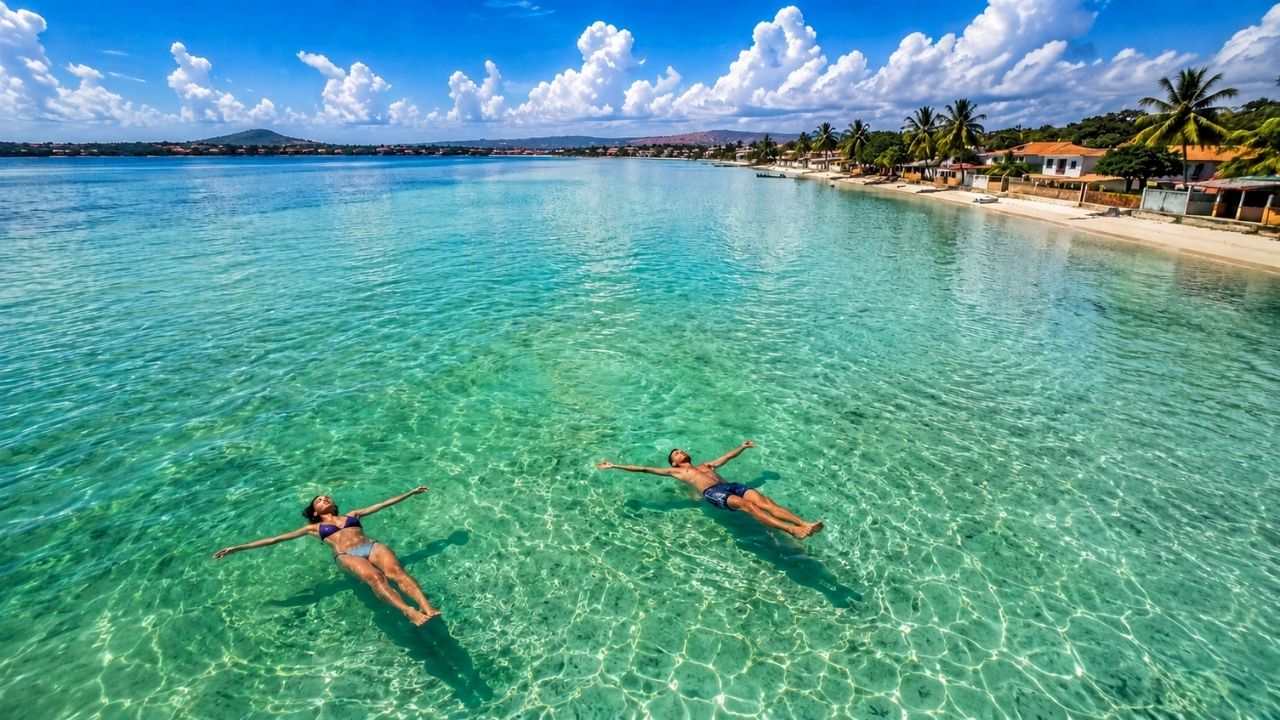

In the Lakes Region of Rio de Janeiro, Araruama is home to the largest hypersaline lagoon on the planet, with about 200 km² and salinity higher than the ocean. The warm and dense waters make bathers float effortlessly and have transformed the city into a refuge of calm beaches and tranquil waters.
There is on the coast of Rio de Janeiro a place where the sea seems to have stopped in time: calm, warm, and so salty that the body floats on its own. This setting is in Araruama, in the Lakes Region, on the shores of the largest hypersaline lagoon in the world. Its beaches with still and transparent water have become a sought-after refuge for families and water sports enthusiasts from all over Brazil.
The explanation for such tranquility lies in the very nature of the place. Unlike the open ocean, the region offers shallow waters, without waves, and with salinity even higher than the sea, creating a rare bathing experience in the country. Not by chance, after years of environmental recovery, the water mirror has returned to being the city’s great postcard.
The largest hypersaline lagoon on the planet
According to information from the website O Antagonista, the Araruama Lagoon is considered the largest permanent hypersaline lagoon in the world, with about 200 km² of water mirror and salinity higher than the ocean, according to the Araruama City Hall. Despite the popular name, from a technical point of view it is a lagoon, not a closed lake, precisely because it connects to the sea through the Itajuru Channel in Cabo Frio.
-
Your Old Gmail Address Might Be Obsolete Soon: Google Introduces Feature Changing Account Usage.

-
Two Newborns Named Cecília Share Same Birth Minute at Brazilian Hospital, Creating Rare Coincidence

-
Brazilian Couple Turns Property into Culinary Hub, Investing $400,000 to Build a Business Earning $800,000 Annually
-
Couple Quits Jobs, Converts 1981 VW Van into Home, Travels 80,000 Kilometers Across the Americas, and Wins Surprise Tickets to See Messi Make History at the World Cup


This distinction helps to understand why the water has such particular characteristics. The lagoon bathes six municipalities in the Lakes Region and, after undergoing an environmental recovery process, regained the quality that made it Araruama’s main attraction. Today, it is this rare set that attracts those seeking a bath different from anything found on the open coast.
Why the water is so salty
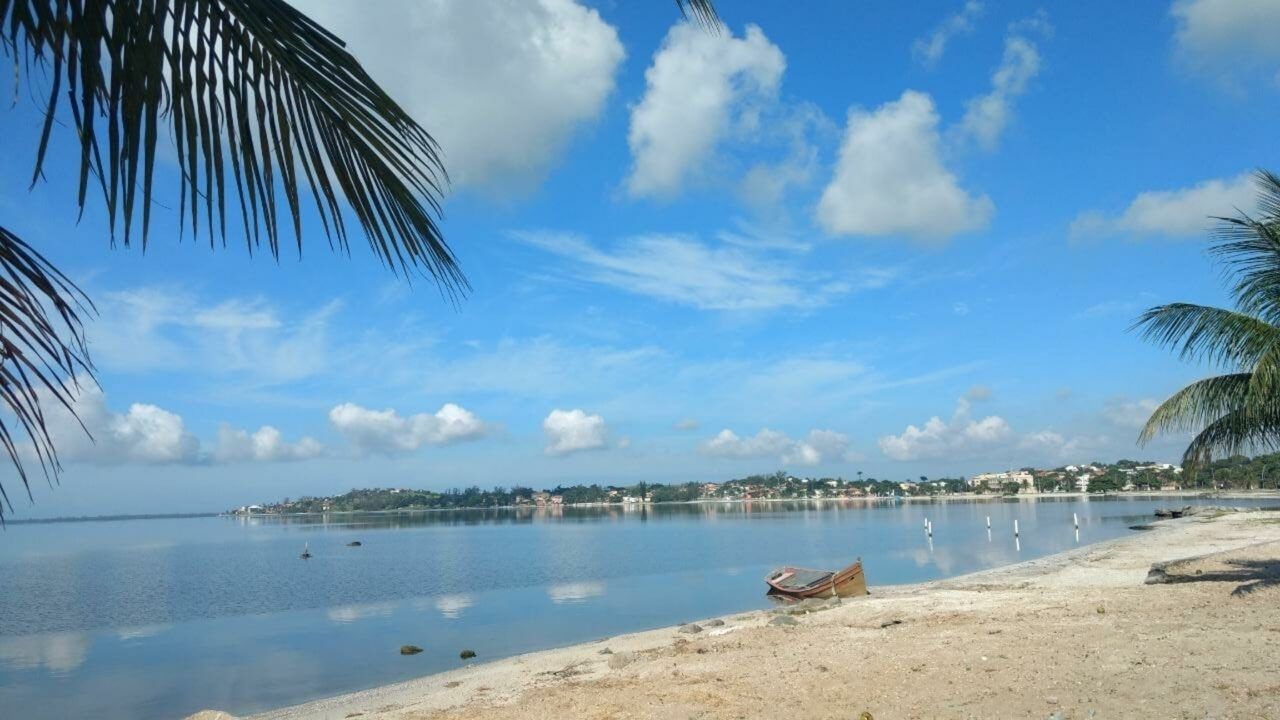
The above-average salinity is no coincidence, but rather the result of an unusual environmental balance. The combination of dry climate, intense evaporation, and few rivers flowing into the lagoon causes the salt to concentrate much more than in the ocean. It is a geographical arrangement difficult to reproduce, making the region almost unique on the planet.
The practical effect of this phenomenon is felt on the skin. The waters of the lagoon are clear, warm, and dense, and this higher density is what supports the body on the surface with ease. For the visitor, the sensation is of floating effortlessly, something that becomes an attraction in itself, especially for those who have never experienced such a bath.
The best beaches of the lagoon
The beaches of Araruama stretch along the water’s edge, with strips of white sand, shallow depth, and absence of waves, making them especially safe for children. According to the tourism portal of the City Hall, the shore is considered one of the most structured in the interior of Rio de Janeiro. Praia do Centro is the busiest, with a promenade, kiosks, and complete infrastructure, while Iguabinha stands out for its remodeled shore and landscaping, becoming a family meeting point at sunset.
Those who prefer a more reserved atmosphere find alternatives along the same lagoon. Praia Seca is located on the Massambaba sandbank, a strip of sand between the lagoon and the ocean, with a more tranquil atmosphere. Pontinha is a cove with calm and shallow waters, ideal for a peaceful swim. Lagoa Vermelha, smaller and with a very high concentration of salt and sulfur, is traditionally sought for its so-called medicinal bath.
What to do besides floating in the lagoon
The same calmness that pleases families also attracts wind lovers. The consistency of the breezes combined with the wave-free water makes the lagoon an ideal setting for sailing sports. Windsurfing, kitesurfing, stand-up paddle, and kayaking are practiced year-round, with schools distributed along the shore for those who want to learn or rent equipment.
For those seeking relaxation, there are attractions of another kind. The high concentration of salt and hydrogen sulfide is associated with therapeutic baths, traditionally sought for their effects on the skin. Additionally, boat trips take visitors to small islands in the middle of the lagoon, and the Massambaba sandbank offers trails and preserved landscapes for those who wish to combine a dip in the lagoon with contact with nature.
When to visit Araruama


Summer is the city’s high season, with hot and sunny days that perfectly match the lagoon, even though the waterfront becomes more crowded during this period. It’s the favorite time for those who want to make the most of the warm bath and water sports, even sharing space with more tourists.
There is, however, a trump card that remains all year round. Araruama has one of the driest climates in the state of Rio de Janeiro, with little rain throughout all seasons, according to Climatempo data. This means that even outside of summer, the region tends to offer stable days, an advantage for those who prefer to travel in the low season and avoid the crowds.
How to get to Araruama
The most common access is from the capital of Rio de Janeiro, as the city is about 120 kilometers from Rio de Janeiro. The route is taken via Via Lagos (RJ-124) in just under two hours, making the trip feasible even for a weekend round trip.
The location also offers a bonus for the itinerary. Araruama is part of the Região dos Lagos and serves as a gateway to nearby popular destinations, such as Cabo Frio and Arraial do Cabo, just a few kilometers away. There are buses departing daily from the capital, and within the municipality, the lagoon waterfront extends through several neighborhoods, making it easy to choose where to stay.
Now we want to know your opinion. Have you ever bathed in the lagoon of Araruama and felt your body float on its own, or do you still want to experience this phenomenon up close? Do you prefer the hustle and bustle of Praia do Centro or the tranquility of Pontinha? Tell us about your experience in the comments, tag that friend who needs to take this trip, and share this article with those who love discovering different destinations in Brazil.


