






 Portuguese
  Spanish




Project Aims to Drill Well in San Telmo Norte, Increasing Natural Gas Production to Meet Brazil’s Growing Industry Demand!
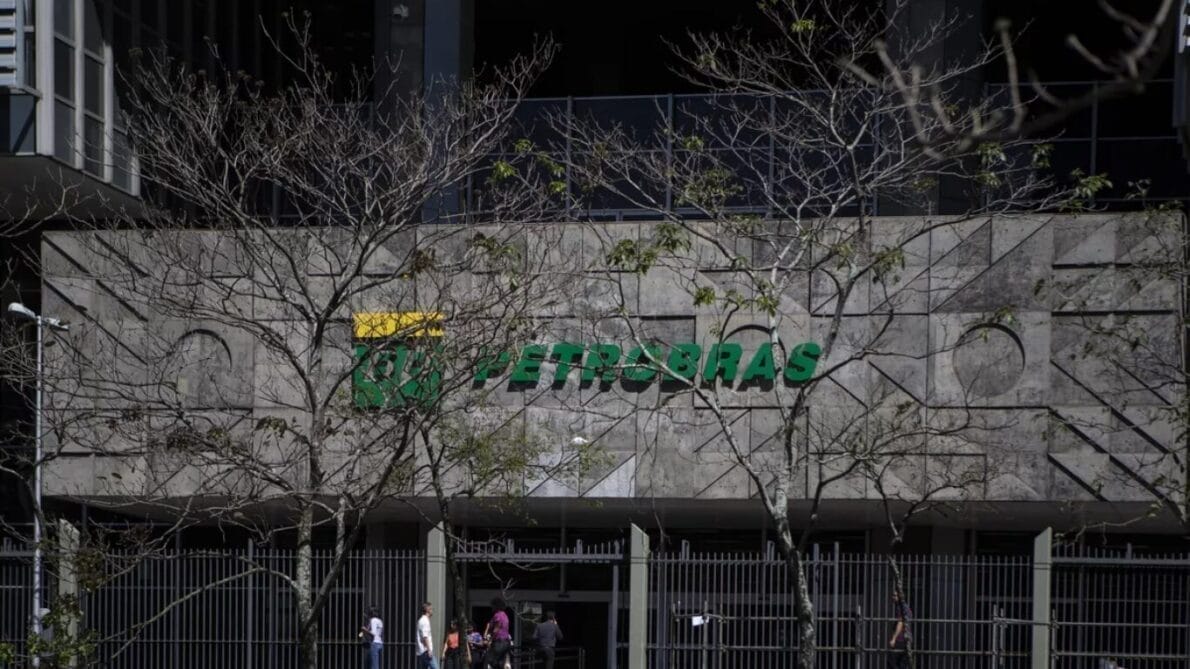
A Petrobras announced an ambitious investment plan in Bolivia, aiming to increase natural gas production and meet the growing demand of the fertilizer sector in Brazil. During the Bolivia-Brazil Business Forum held in Santa Cruz de La Sierra, Petrobras president Magda Chambriard revealed that the company is ready to invest about US$ 40 million in drilling a new well in the San Telmo Norte area of Tarija state. This strategic investment, made through the Petrobras Bolivia subsidiary, promises to strengthen the energy partnership between the two countries, according to cartacapital.
Expansion of Natural Gas Production
The new undertaking, which is still awaiting approval from environmental agencies, aims to explore the potential of natural gas reserves in San Telmo Norte. It is estimated that the area could recover at least 76 billion cubic meters of gas, a significant volume to meet both the Bolivian domestic market and Brazilian needs. During the forum, Chambriard emphasized that Petrobras previously produced 9 million cubic meters per day in Bolivia, but intends to increase that number to 30 million cubic meters per day. “We want to return to these production levels to supply gas at affordable prices for fertilizers and petrochemicals in Brazil,” the executive stated.
Strategic Importance for Brazil
Petrobras’ decision to invest in Bolivia reflects the importance of natural gas for the Brazilian industry, especially in the fertilizer sector. Brazil, one of the world’s largest agricultural powerhouses, heavily relies on fertilizer imports. With the increase in natural gas production in Bolivia, Petrobras hopes to ensure a stable supply at competitive prices, essential for enabling the resumption of fertilizer production in the country. Additionally, the growing demand for natural gas in Brazil makes Bolivian reserves a viable and strategic option for expanding this market.
-
A 180-meter ship with a deck the size of a football field was christened to carry 25,000 tons of giant energy modules around the world.

-
To erect the “Baleia” building on the richest avenue in Brazil, he bought 35 houses, paying with trips to Disney, a truck, and even an apartment, waited over 20 years, and today the complex is valued at R$ 2.5 billion.
-
The land belonged to her great-great-grandfather and was worth R$ 25 per square meter during the pandemic; the couple sold 250,000 m² for the nearly R$ 30 billion project that is transforming the “neighbor of Jericoacoara,” and today a house in the region goes for R$ 4.2 million.

-
Labor shortage reaches the truck drivers’ area: Brazil is already facing a deficit of 120,000 drivers, 65.1% of transport companies feel the impacts, and Mercedes-Benz strengthens training in the face of the new generation of technological trucks.



Brazil-Bolivia Partnership: Challenges and Opportunities
Despite the challenges, such as the need for environmental approvals and the decrease in gas production in Bolivia in recent years, the partnership between Brazil and Bolivia remains strong. Petrobras Bolivia currently operates in seven areas in the Andean country, accounting for about 25% of total gas production. However, the future scenario presents opportunities, such as the potential reversal of pipelines to transport natural gas from Argentina to Brazil via Bolivia. “We are committed to exploring new opportunities and strengthening the energy integration between our countries,” emphasized Chambriard.
Additional Investments and Outlook
In addition to Petrobras’ investments, other Brazilian companies are also expanding their operations in Bolivia. Fluxus, the oil and gas subsidiary of the J&F group, announced an investment of US$ 100 million by 2028 to increase production in three recently acquired fields. This move reinforces confidence in the potential of Bolivian reserves and the country’s ability to continue being an important supplier of natural gas to Brazil. “We believe in the Bolivian market and are ready to make the necessary investments to ensure a sustainable energy future,” concluded Chambriard.
Therefore, Petrobras’ investments in Bolivia not only promise to increase natural gas production but also strengthen the bilateral relationship between the two countries and ensure the sustainability of the fertilizer industry in Brazil. With an eye on the future, Petrobras is prepared to face challenges and seize the opportunities that arise along the way.







O Lula NÃO pode cometer o mesmo erro que cometeu quando a Petrobrás investiu para explorar gás na Bolívia que havia sido descoberto por empresas americanas, porém como o seu envio para os EUA ficou inviável… eles transferiram para a Petrobrás. Algum tempo depois o Evo Morales ocupou militarmente as refinarias da Petrobrás e obrigou que fossem vendidas a preços baixissimos.
Para entrar de novo na Bolívia só depois de criarmos uma força militar em condições de invadir e ocupar a Bolivia e obrigá-la a cumprir os acordos.
No passado confiscaram nossa Refinaria, agora irão levar mais 40 milhões de dólares!
Sim, a Petrobras tem que investir em Fertilizantes, um país AGRO, onde a agricultura movimenta Bilhões não pode ser vítima de Multinacionais, e a Bolívia sempre foi parceira da Empresa por mais de Trinta anos.