






 Portuguese
  Spanish


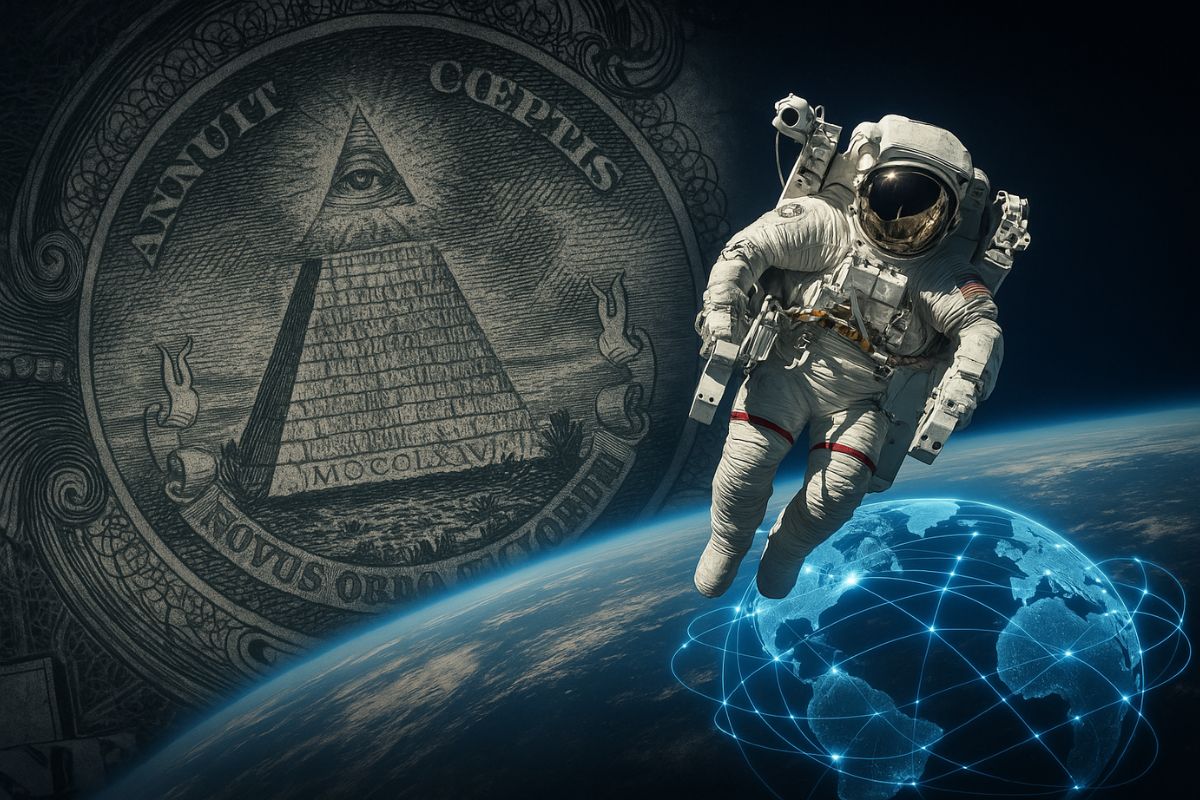

Decades After a Panic About Satanic Cults Took the U.S., Brazil Faces a New Wave of Fear Fueled by Social Media, with Different Targets but the Same Mechanism of Misinformation and Dread.
The story seems to repeat itself, but with new characters and technologies. In the 1980s, the United States was gripped by a collective fear known as the “Satanic Panic,” where society believed in a secret network of cults abusing children. Today, in Brazil, we see a similar phenomenon, but with different names: the conspiracy theories about the UN’s “Agenda 2030” and the so-called “Globalism.”
Although the themes are different, the way fear spreads is the same. What were once books and TV shows are now WhatsApp and Telegram groups. Misinformation finds fertile ground in times of uncertainty, and the result is a divided and distrustful society, haunted by imaginary enemies.
The Original Satanic Panic: The Hysteria Caused by the Book “Michelle Remembers” in 1980 and the McMartin Preschool Case (1983-1990)
The hysteria that swept through the U.S. in the ’80s began with a book. Published in 1980, “Michelle Remembers” told the story of a woman who, through therapy, supposedly recovered memories of having been abused by a satanic cult in childhood. The book became a craze and spread the idea that an evil conspiracy was underway.
-
Old fridge turns to gold: project transforms rigid foam from discarded refrigerators into raw material for new plastics and paves the way to also recycle building insulation, in an ambitious and surprising initiative against one of the most difficult industrial wastes to reuse.

-
Hong Kong is excavating a colossal complex of 2.3 million m³ and 14 hectares inside a mountain, an underground station to replace a unit that serves around 700,000 people and to free up 28 hectares on the surface.
-
The USA sank 57 giant steel and concrete tubes almost the size of a football field to create a 5.8 km submerged tunnel, crossing a region surrounded by seismic faults and connecting cities by rail at the bottom of the bay.
-
Natal installed 19,000 Lego-type concrete blocks to hold back the advancing sea before the beach nourishment, and what seemed like an improvised barrier became the foundation of a R$ 110 million project to protect the boardwalk, tourism, and one of the most famous shorelines in Brazil.


The peak of the panic was the McMartin preschool case, which began in 1983 in California. The owners and teachers of the school were accused of abusing hundreds of children in satanic rituals. The allegations included bizarre stories of secret tunnels and flying witches.
After a trial that lasted seven years and became the most expensive in American history at that time, no one was convicted. It was proven that the children were pressured by therapists to invent stories. Despite this, the case fueled fear across the country.
Conspiracy Theories in Brazil: What Is the UN’s Agenda 2030 and the Idea of Globalism
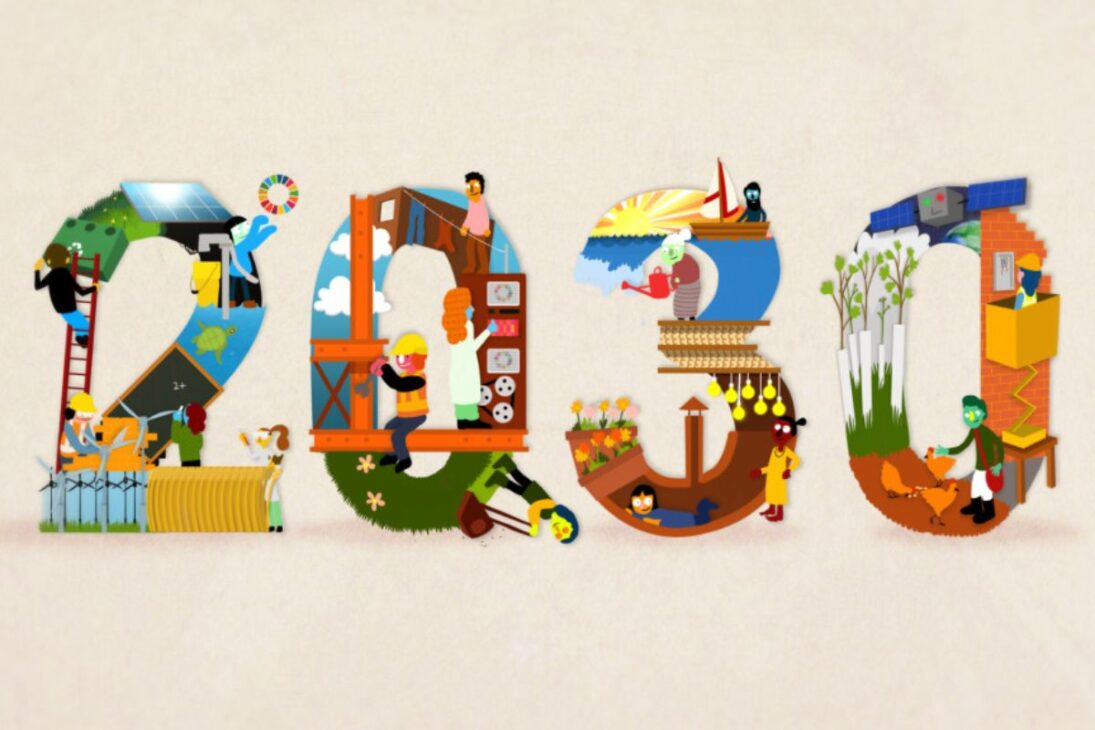
In Brazil, fear today has different targets. The first is the “Agenda 2030”, a real UN plan signed by 193 countries in 2015, with goals to combat poverty and promote sustainability. In conspiracy theories, however, it is depicted as a secret plan to implement a “New World Order” and control the population.
The second target is “Globalism”, a term popularized in Brazil. The idea is that a global elite, formed by billionaires and organizations like the UN and WHO, is working to destroy the sovereignty of countries. These ideas have gained traction in radical sectors and have been used to attack political opponents and institutions.
The Same Fears, New Tools
In the 1980s, the Satanic Panic was spread by traditional media. Sensationalist TV shows, such as a 1987 special by host Geraldo Rivera, and reports in newspapers and magazines, brought the hysteria into people’s homes.
Today, the mechanics are much faster and decentralized. The conspiracy theories surrounding Agenda 2030 and Globalism mainly spread through WhatsApp and Telegram groups.
A report from InternetLab, which analyzed the use of Telegram during the 2022 elections in Brazil, showed how these groups function as echo chambers, where lies are repeated ad nauseam and reinforced without any type of filter or verification.
The Anatomy of the Lie

Both the old panic and the new rely on “evidence” that doesn’t stand up to serious scrutiny. In the Satanic Panic, the main “evidence” was the “recovered memories” through therapy, a practice that is now completely discredited by psychology. The testimonies of children in the McMartin case were also obtained using techniques that led them to lie.
In current conspiracy theories, the “evidence” is created in a different way. Its promoters take a real document, such as the UN’s Agenda 2030, and completely distort its meaning.
Goals about gender equality turn into “gender ideology,” and sustainability objectives become a plan to control food production. The tactic is to create a frightening narrative from a real but willfully misinterpreted basis.
The Work of Fact-Checking Agencies and the Debate in Online Communities Like r/Brasil
Just like in the past, there is also strong resistance to misinformation today. Fact-checking agencies like Agência Lupa and Aos Fatos work daily to debunk rumors and show the truth behind conspiracy theories.
Lupa, for example, has already published a fact-check explaining that Agenda 2030 is a plan of voluntary goals, not an imposition.
Online communities, such as the forum r/brasil on Reddit, also serve as a space for debate. In these places, users share verified information and critically discuss the narratives circulating on social media, helping to combat misinformation. The challenge, however, is to make the truth have the same reach and emotional impact as the lies.


