






 Portuguese
  Spanish


Thousands of Lego-type concrete blocks changed the landscape of Ponta Negra before the arrival of the new sand strip, in a coastal defense work linked to the protection of the boardwalk, tourism, and one of the most well-known beaches in Brazil.
In Natal, the installation of 19 thousand Lego-type concrete blocks in Ponta Negra formed a coastal defense structure before the beach nourishment, aiming to reduce the effects of erosion, protect the boardwalk, and prepare the shoreline to receive a new sand strip.
Integrated into the set of interventions for the recovery of Ponta Negra beach, a postcard of the capital of Rio Grande do Norte, the work was carried out by the Natal City Hall in partnership with the Federal Government and had the concrete blocks as one of the first stages executed.
According to the Natal City Hall, the rockfill and nourishment project was budgeted at R$ 110 million, a value associated with the recovery of one of the city’s busiest tourist areas and the reorganization of coastal protection on the shoreline.
-
Brazilian baker had his Kombi destroyed, started over from scratch with his wife and children, transformed 6 irrigated hectares into a mango farm and today produces 108 tons per year, showing how technical knowledge can lift a family out of improvisation and become a reference in fruit growing.

-
The happiest city in Brazil is located in the interior of São Paulo, boasts high employment, and has become the dream of thousands seeking safety, opportunities, and a better life.
-
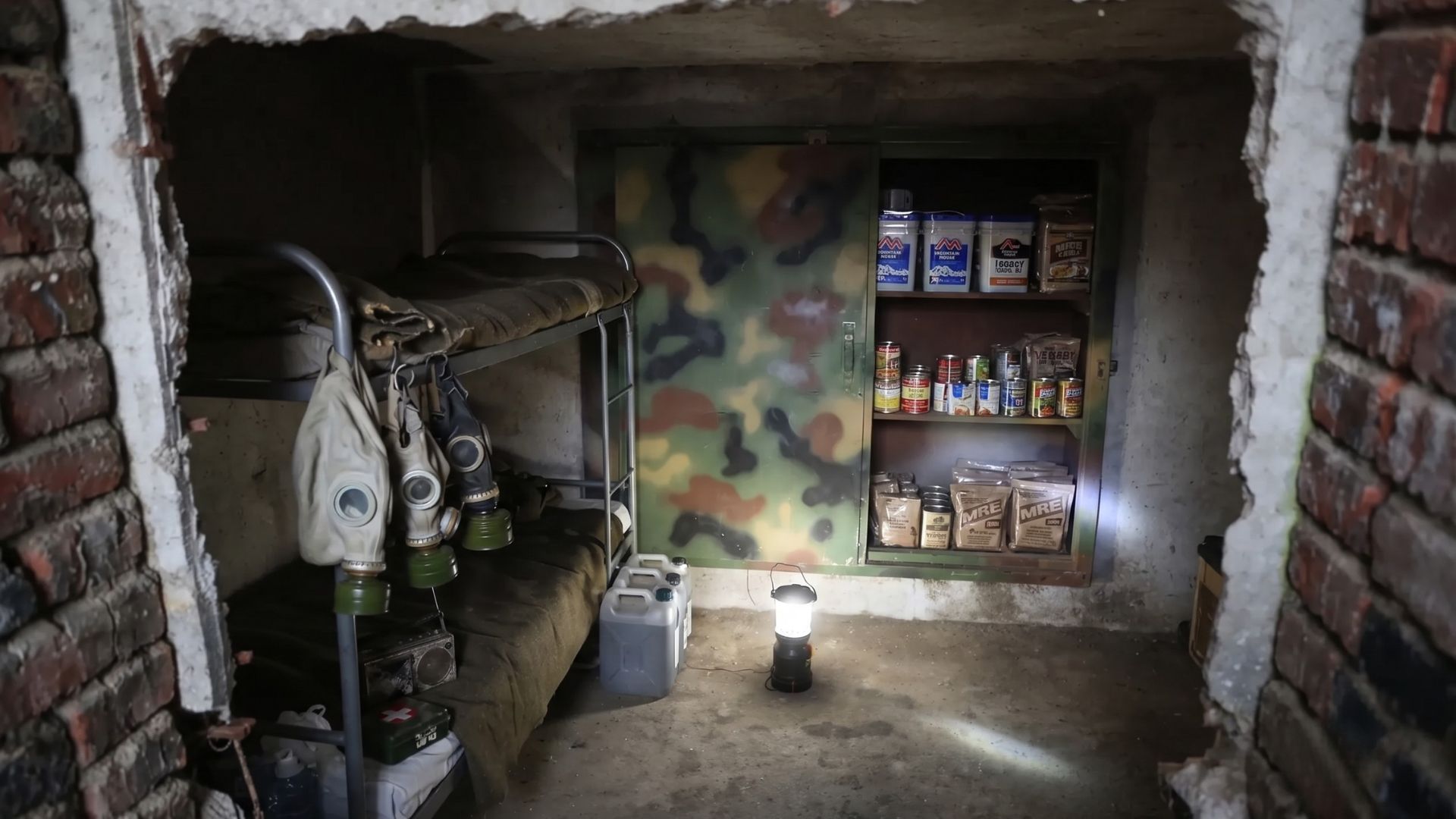
Family buys house from former survivalist, finds false doors, hidden underground bunker, beds, gas masks, and secret food storage behind camouflaged panels.
-
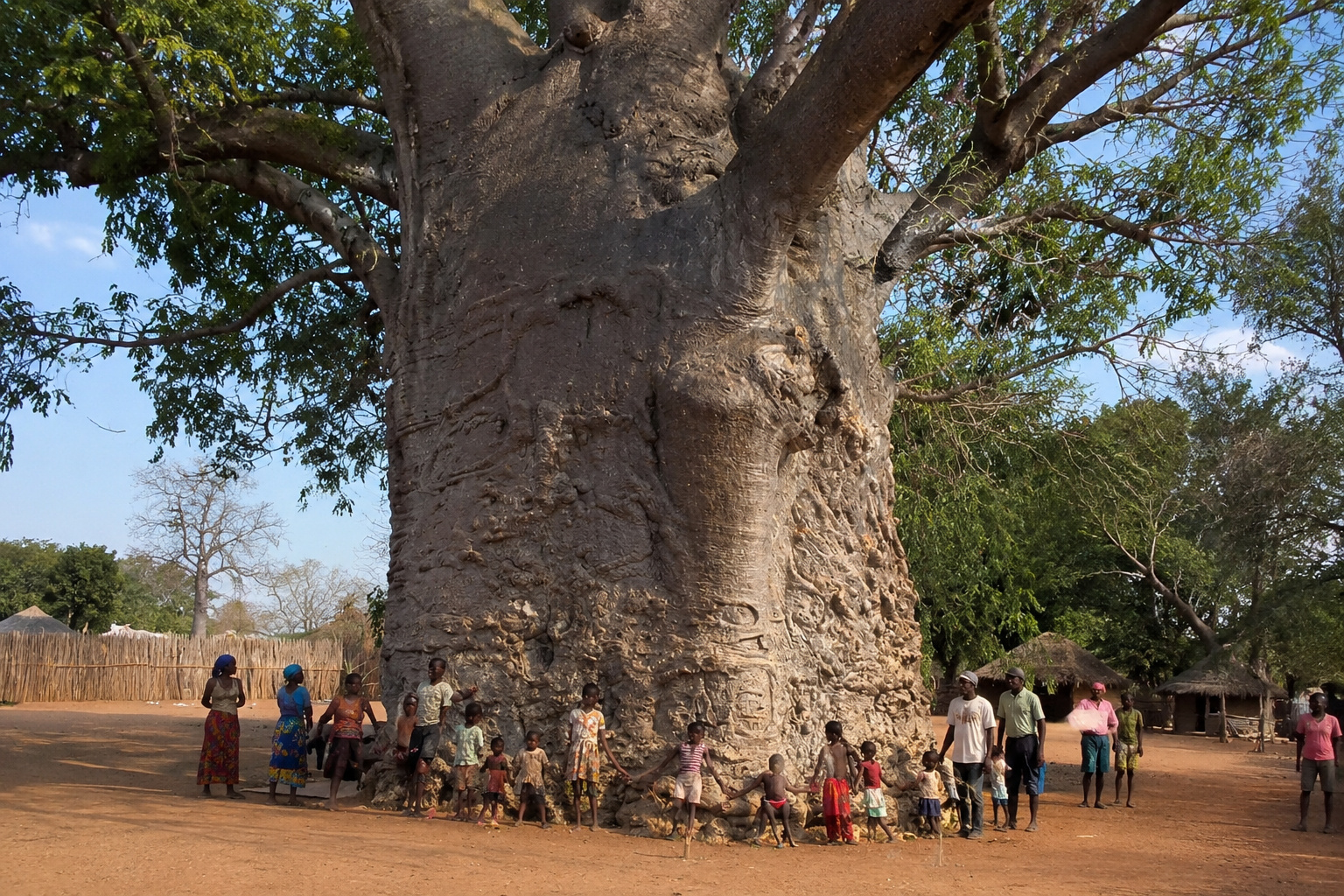
Few people know, but there is a 2,000-year-old tree in South Africa that “roars” when the wind blows through its branches and stores up to 4,500 liters of water in its trunk, becoming a source of life for the community.


Lego-type concrete blocks became a defense against the advance of the sea
What drew attention in the case of Ponta Negra was the format adopted for the beach protection: before the arrival of the sand used in the expansion of the shoreline, concrete pieces officially described as Lego-type blocks were produced.
Assembled to form a physical barrier against the advance of the sea, the pieces were not presented as an improvised solution but as part of a planned coastal engineering sequence to precede the beach nourishment.
According to the Natal City Hall, the rockfill extends more than 1,173 meters and stretches from the height of the Serhs hotel to the beginning of the Ponta Negra boardwalk, in an already protected section near Morro do Careca.
In this design, the function of the blocks was to create a containment base before the artificial widening of the beach, allowing the next stage of the work to occur on a previously reinforced coastal edge.
Ponta Negra received structure before the beach nourishment
Due to concentrating tourism, commerce, resident circulation, and one of the most recognized landscapes of Rio Grande do Norte, Ponta Negra gained relevance in the debate on coastal erosion and the preservation of urban structures near the sea.
The pressure caused by the advance of the waves affected sections connected to the boardwalk and the tourist use of the coastline, which led to the intervention being treated as part of the protection of a strategic area for Natal.
In practice, the concrete blocks began to reinforce the coastal defense in a region where the strength of the sea and the loss of sand strip were already part of discussions about the future of the beach.
Before receiving the nourishment sand, the riprap work prepared the ground and helped protect public equipment, creating a structure prior to the artificial widening planned for the coastal strip.
Subsequently, the City of Natal reported that the beach nourishment was completed and expanded the sand strip along 4.6 kilometers of the coastline, from Via Costeira to Morro do Careca.
According to the project, the new sand strip should reach up to 100 meters at low tide and 50 meters at high tide, using sediments extracted from a deposit located in the sea.
Sand extracted from the sea expanded Natal’s coastline strip
Extracted from a sediment bank located 6 kilometers from the coast, at the height of the Mãe Luíza lighthouse, the sandy material used in the nourishment was described by the municipal administration as compatible with Ponta Negra beach.
According to the City, the grain size of the sand from the deposit was similar to that found on the beach itself, a point considered important for the execution of the hydraulic fill and for the integration of the new material into the coastal strip.
Before this stage, the most curious image of the work was in the blocks, as the presence of 19,000 concrete pieces on a tourist beach created a strong visual contrast with the natural landscape.
Within the project, however, these blocks functioned as part of the containment structure that supported the recovery of the coastline, linking the heavy engineering work to the future recomposition of the sand strip.
Work included accesses, ramps, and stairs on the beach
In addition to coastal containment, the investment included the construction of accesses to the beach, as the reorganization of the maritime edge also required new ways for visitors to reach the sand strip.
The City reported that the riprap project included seven stairs and four ramps, with an investment of R$ 23.5 million in this stage focused on circulation and access after the implementation of the coastal structure.
Due to the scale of the intervention, the case began to attract attention outside Rio Grande do Norte, especially because Ponta Negra is not an isolated beach, but an area directly linked to the tourist image of Natal.
The placement of thousands of concrete blocks before the nourishment thus became an example of how Brazilian coastal cities resort to engineering to tackle coastal erosion in high-traffic areas.
Rockfill prepared the shore for the new sand strip
In official bulletins from the City Hall, the Municipal Infrastructure Department reported that the block containment reached more than 91% completion before the delivery of this stage of the work.
At that time, the municipal administration already regarded the rockfill as a complement to the nourishment, responsible for expanding the sand strip and reconfiguring the use of the beach in one of the city’s most well-known stretches.
Also associated by the City Hall with the protection of the local economy, the project reached an area that concentrates hotels, restaurants, bars, street vendors, tourism workers, and services dependent on the daily flow of residents and visitors.
In the view of the municipal administration, the recovery of Ponta Negra involved not only the beach landscape but also the maintenance of economic activity linked to the southern coast of Natal and the continuous use of the shore.
The sequence of the work followed a simple technical logic for the public, although complex in execution: first, the city reinforced the coastal edge with concrete blocks; then, it received the nourishment sand.
This sequence prevented the new sand strip from being treated as an isolated solution, without the structural protection planned to sustain the intervention against the force of the waves and the local coastal dynamics.
Ponta Negra had more than 1 million cubic meters of sand
In the scale of hydraulic fill, another relevant data point appears in the volume planned for the nourishment: according to the City Hall, the work included about 1.1 million cubic meters of sand to restore the beach.
This volume helps to gauge the planned transformation for the Ponta Negra cove and reinforces the role of the rockfill as preparation for a larger change in the physical configuration of the shore.
With Morro do Careca linked to Natal’s visual identity, the beach recovery came to involve not only the daily use by residents and tourists but also the preservation of the surrounding urban and landscape area.
Throughout the process, the City Hall treated the intervention as part of a beach recovery package, bringing together rockfill, nourishment, accessibility, and subsequent urbanization of the shore in a high-traffic area.
The contrast that makes the work curious lies in the choice of thousands of concrete blocks, usually associated with heavy interventions, to protect a famous beach before the return of sand to the coastal strip.
In Ponta Negra, the barrier that seemed hard and artificial became part of the attempt to maintain the touristic and urban use of the shore in the face of the advancing sea.
Do you think that other Brazilian beaches threatened by erosion should receive structures similar to those in Ponta Negra?


