Portuguese
  Spanish


Species resistant to burial draws attention in Chinese project against desertification, by combining deep roots, survival in a dry environment, and participation of local residents in an area marked by little rain, moving dunes, and constant challenges to maintain vegetation on the ground.
Used in desertification control actions in the Tengger Desert, in Inner Mongolia, the Hedysarum scoparium, known in China as Huabang, helped form an area with more than 5 million plants over eight years.
Reported by CCTV+ and reproduced by the Orient portal on June 19, 2026, the initiative reached more than 7,300 hectares in a region where annual precipitation is below 150 millimeters, a condition that limits the growth of many species.
Among those responsible for the planting progress is Lei Xingguang, a local resident described in the report as a shepherd who began cultivating the shrub and, since 2018, organized a cooperative with shepherd families in the region.
-
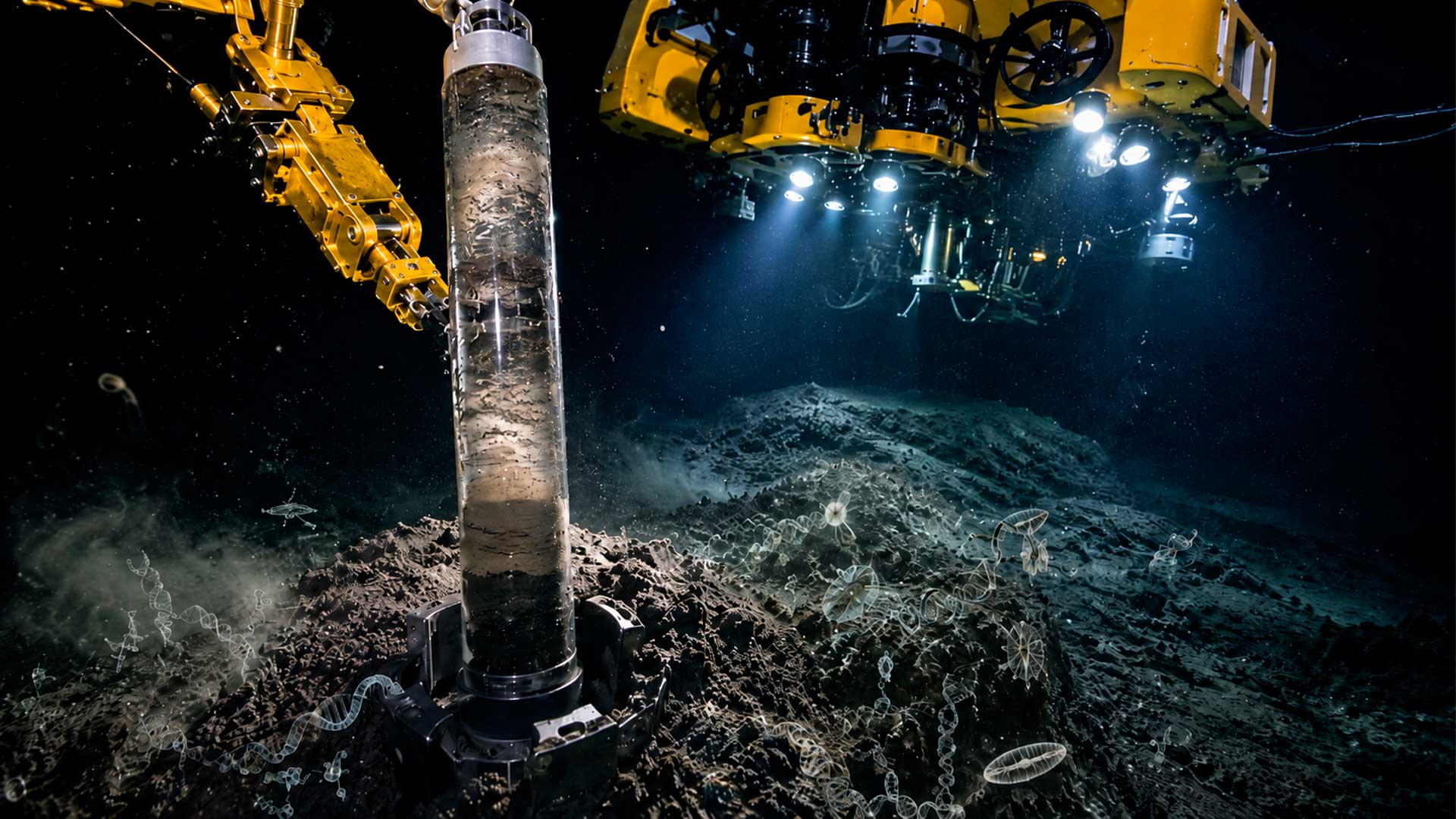
At a depth of 5,000 meters, where there is no sunlight, researchers found ancient DNA preserved in the mud of the South Atlantic and discovered signs of organisms that did not match known records.

-
At 77 years old, a retired woman who never tires of learning completes her second degree in design in Ceará and moves people by revealing the help of her 98-year-old mother in the final project.
-
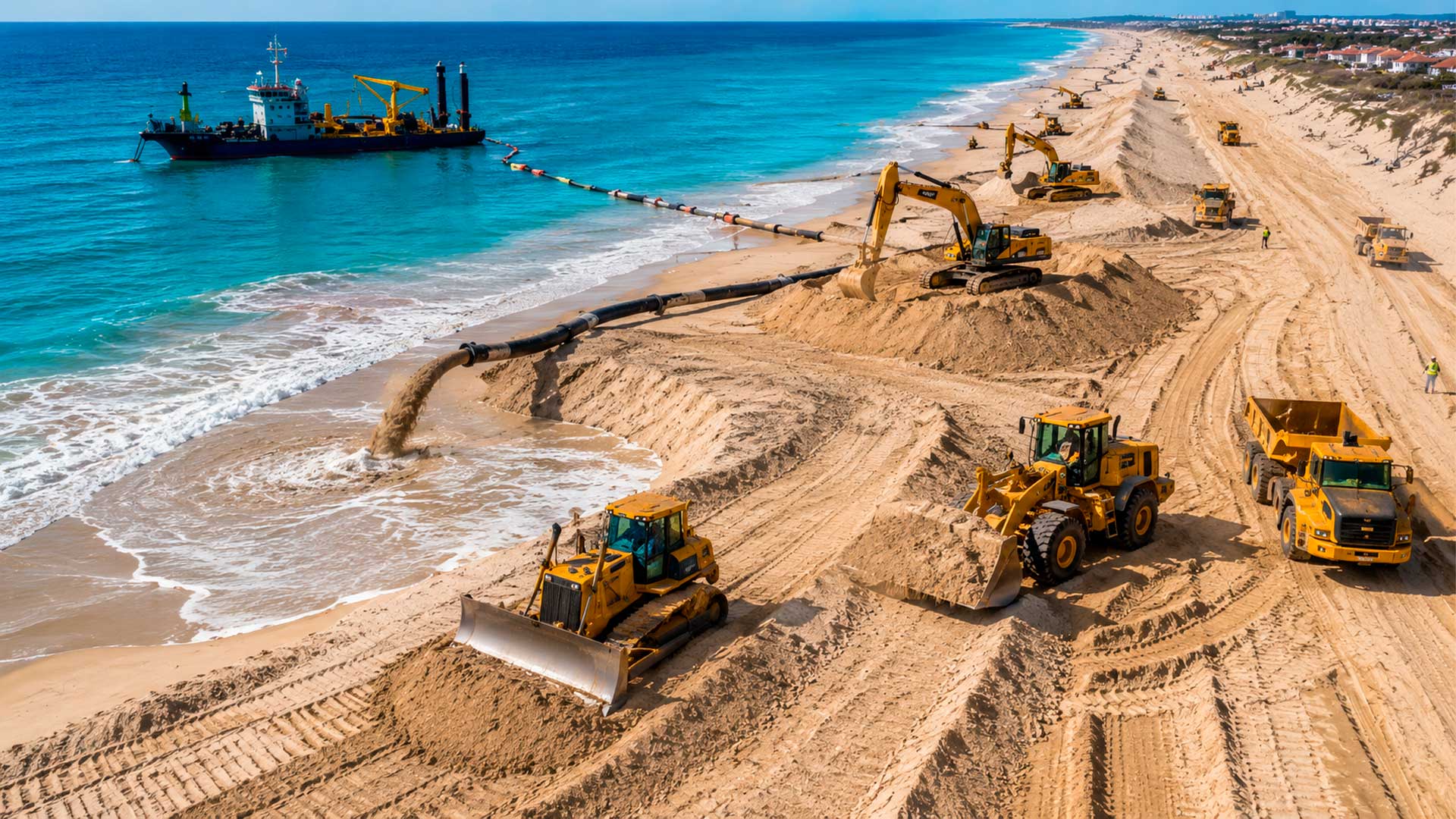
Portugal placed 1.4 million m³ of sand in the Algarve, spent 14.9 million euros to recover 6.7 km of beaches between Quarteira and Garrão, and is now trying to gain 37.5 meters of shoreline before the sea advances again.
-
The blacksmith’s son dropped out of school at 15, became a mechanic, lost his factory in the war, and built Honda, the Japanese giant that today sells millions of motorcycles and cars worldwide.



With the expansion of the work, cultivation ceased to be an isolated action and began to occupy areas vulnerable to dune movement, where resistant vegetation can help reduce the instability of the sandy soil.
The species’ highlight is its ability to withstand burial, intense drought, and mobile soils, factors that often hinder plant survival in deserts and make vegetation choice crucial for restoration projects.
According to Lei, the Huabang can emit new shoots even when covered by sand, while its roots can spread laterally for more than 10 meters and help anchor the soil.
Huabang helps contain the advance of the sand
In desertification control, the use of Huabang does not transform the desert immediately, but creates vegetated areas that reduce sand movement by the wind and favor the gradual stabilization of the surface.
This type of vegetation cover can pave the way for new stages of environmental recovery, provided that management is maintained and local conditions allow the survival of seedlings planted in low humidity areas.
Within the experience reported by CCTV+, the planting advanced from initial areas to a continuous extension of thousands of hectares, following the adaptation of techniques used on the ground over the years.
Starting in 2023, Lei began using a planting method by hydraulic drilling, highlighted in the report as one of the changes adopted to improve work in dry and sandy areas.
By tolerating little water and adapting to mobile sand environments, the plant acts as a natural barrier against erosion, reducing soil exposure in areas more prone to wind action.
Tengger Desert presents extreme conditions
Located in northern China, the Tengger Desert spans areas of Inner Mongolia and Ningxia, in a region marked by low precipitation, mobile dunes, and great difficulty in maintaining permanent vegetation.
According to CCTV+, the Orient report describes Tengger as one of the largest Chinese deserts, with about 43,000 square kilometers and annual rainfall below 150 millimeters.
In this scenario, restoration projects depend on native or adapted species, as plants requiring constant irrigation tend to have lower viability in areas where available water is limited.
The southeast margin of Tengger also appears in research on artificial sand-fixing vegetation, especially in Shapotou, an area used as a scientific reference to analyze species behavior in arid environments.
Published on April 15, 2019, in the Journal of Mountain Science, a study evaluated water use strategies of three species in Shapotou, including Hedysarum scoparium, in artificial sand-fixing vegetation in northwest China.
The research indicated that plants used to fix sand can adjust water use according to environmental conditions, reinforcing the relevance of native shrubs without permanent irrigation in degraded areas.
Although it does not address Lei’s cooperative, the study helps contextualize why Huabang is considered suitable for restoration initiatives in dry regions, where roots, adaptation, and survival determine the outcome.
Environmental recovery generates local income
Besides the environmental effect, the initiative reported by CCTV+ began to generate income for families linked to the cooperative, connecting soil recovery to the production of seedlings, seeds, and vegetation management.
According to the report, participants’ earnings increased by five to six times, while one family earned more than 100,000 yuan in one year from selling Huabang seeds.
By creating an economic activity associated with planting, the project reduces dependency on one-off actions and involves residents in a local chain focused on cultivation, seed supply, and vegetation maintenance.
Also according to the report, more than 220,000 hectares of drought-resistant vegetation have already been planted on the southeastern edge of the Tengger in areas designated for desertification control.
This number expands the context of the cooperative and shows that the use of Huabang is part of a larger regional effort aimed at reducing sand mobility and recovering areas pressured by desertification.
Management defines the scope of recovery
Recovering desert areas requires more than multiplying seedlings on a large scale, as the survival of vegetation depends on the choice of species, soil monitoring, and adaptation of planting techniques.
In the case of Huabang, the combination of drought resistance, regrowth after burial, and extensive roots helps explain the interest in the shrub for projects aimed at sand fixation.
Even with significant results, the impact depends on continuous management and the conditions of each degraded area, as fragile soils respond differently to planting and the presence of permanent vegetation.
The experience in Tengger shows how ecological solutions can connect to local knowledge and income generation, without relying solely on isolated interventions in regions affected by desertification.
In areas where rain is scarce and sand moves easily, adapted plants like Huabang offer a practical alternative to stabilize the soil and reduce the advancement of degraded lands.
If a resistant shrub managed to help form thousands of hectares of vegetation in one of the driest regions of China, what other areas threatened by desertification could benefit from similar strategies?