






 Portuguese
  Spanish


After having his activity as a baker interrupted by an accident with the delivery Kombi, Mr. Tadeu restarted in the field in Juazeiro, structured the Maniçoba Real Farm with his family, sought technical support, and reached 108 tons of mango annually in the São Francisco Valley.
An irrigated property in the São Francisco Valley changed the trajectory of Tadeu Pereira Maniçoba, known as Mr. Tadeu, after the interruption of his activity as a baker due to an accident with the Kombi used for deliveries.
From this restart in the field, the producer structured the Maniçoba Real Farm in Juazeiro, Bahia, expanded the cultivated area with his family, and reached an annual production of 108 tons of mango.
According to the Conexão Bahia magazine, from Sebrae Bahia, the producer was born in Floresta, Pernambuco, and arrived at the Maniçoba Irrigation Perimeter accompanied by his wife, Veronice Ribeiro Maniçoba, and their children.
-
The happiest city in Brazil is located in the interior of São Paulo, boasts high employment, and has become the dream of thousands seeking safety, opportunities, and a better life.

-
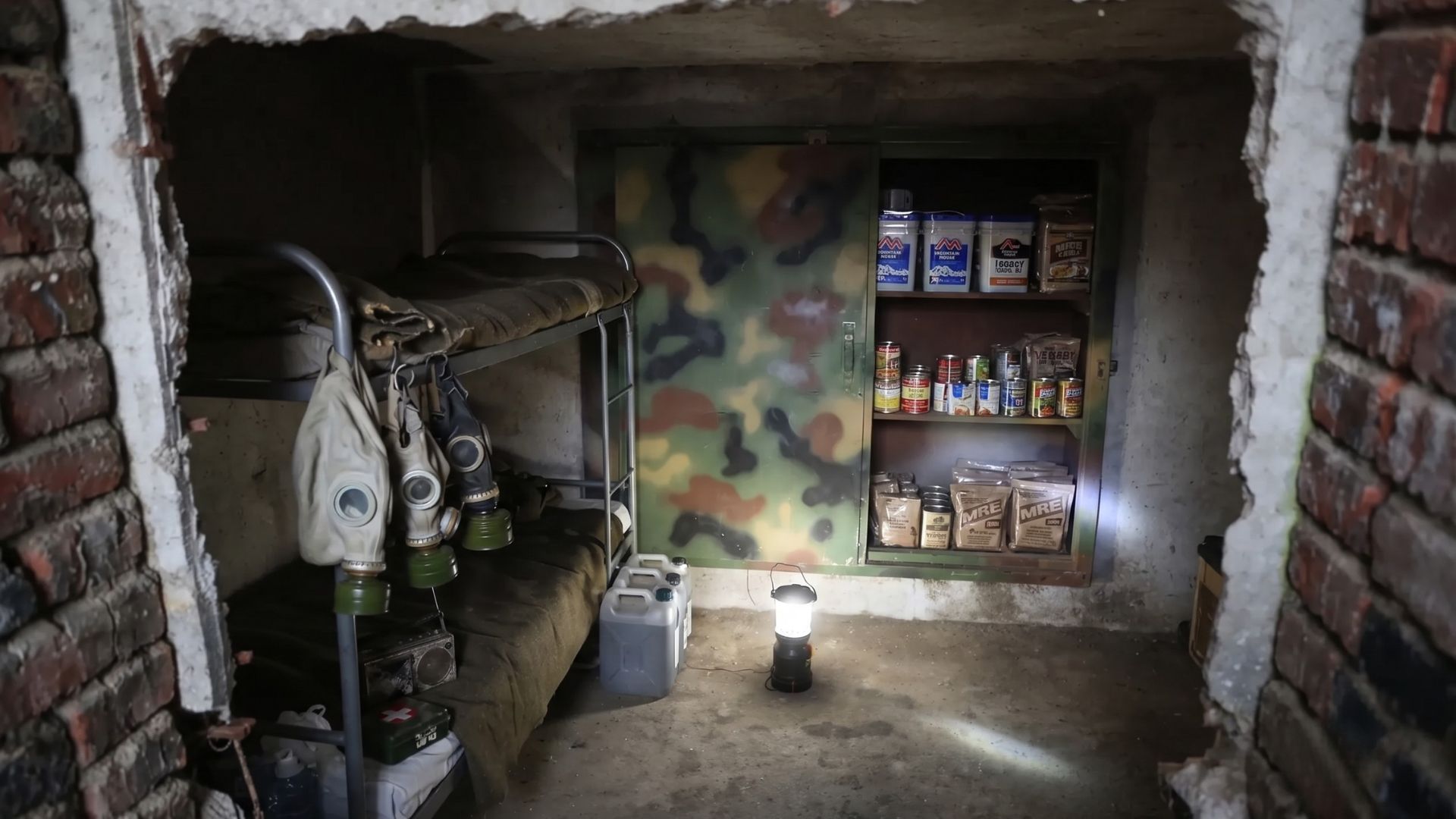
Family buys house from former survivalist, finds false doors, hidden underground bunker, beds, gas masks, and secret food storage behind camouflaged panels.
-
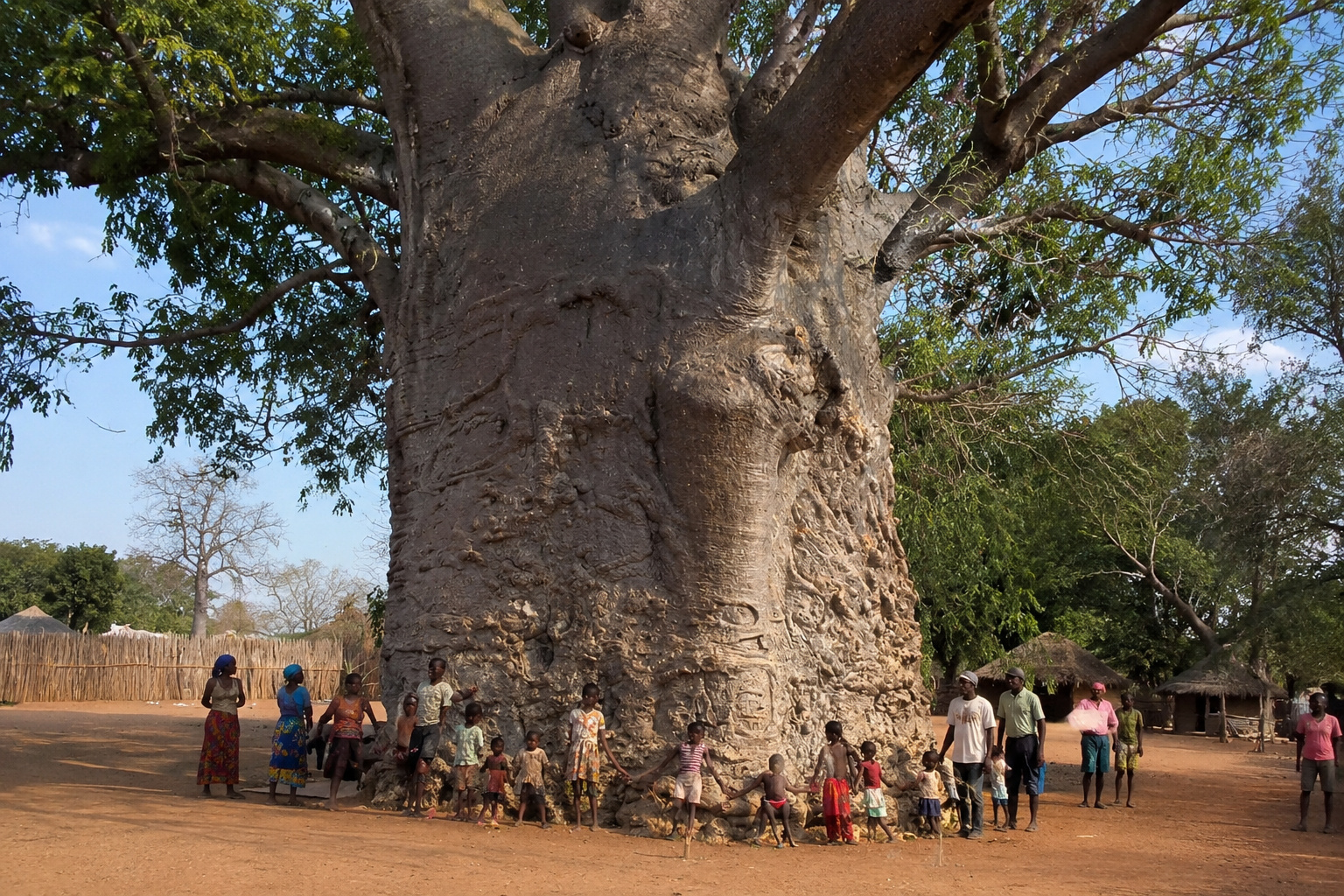
Few people know, but there is a 2,000-year-old tree in South Africa that “roars” when the wind blows through its branches and stores up to 4,500 liters of water in its trunk, becoming a source of life for the community.

-
Neto took refuge on the family farm in the hinterland of RN, found 2,000 surviving coffee plants from a plantation his grandfather had planted in the 1980s, revived the production, added 8,000 seedlings, and harvested 40 sacks of specialty coffee in a region marked by water scarcity.


Behind the change was the desire to cultivate the land and produce fruits, in a decision linked to the teachings learned from his father and the advancement of irrigation projects in the region.
Restart in the field after the accident with the Kombi
Before consolidating fruit growing, Mr. Tadeu had a positive experience as a baker in Juazeiro, where the routine of bread delivery depended directly on the Kombi used by the family in daily work.
When the vehicle was partially destroyed in an accident, the activity was interrupted, and the producer resumed the initial project of working with agriculture in the expanding irrigated projects in the São Francisco Valley.
At Lot 601 of the Maniçoba Irrigation District, the Maniçoba Real Farm began on an initial area of 6 hectares, with mango as the main crop of the family property.
Among the cultivated varieties, Tommy and Palmer gained space in the lot, following a common pattern in irrigated fruit growing in the São Francisco Valley and allowing the production to be organized around a fruit with strong commercial presence.
At the beginning of the property, the structure was family-based and did not have employees, making the work of Mr. Tadeu, his wife, and children the main foundation of rural activity.
According to the publication from Sebrae Bahia, this phase was marked by physical effort, willingness, and the search for technical knowledge to improve land utilization and reduce losses in the production process.
When reporting his own experience to the magazine, the producer stated that the family lost time and resources trying to understand how to extract from the area the fruits it could offer.
This passage shows a common stage in small rural businesses, when daily practice begins to be combined with technical guidance, productive control, and planning to make the property more efficient.
Sebrae and technical knowledge changed production management
The approach with Sebrae occurred during a workshop focused on innovation and monitoring of fruit flies in the Maniçoba Irrigation District, an essential topic for mango producers in the region.
During the activity, the Sebraetec program was presented to the producer, paving the way for participation in other training sessions, consultations, and technical meetings related to fruit cultivation.
From this contact, Mr. Tadeu began to follow actions aimed at the development of fruit growing, including Future Orchard and Fruit Traceability workshops, according to the magazine Conexão Bahia.
Support activities for adaptation to certification of the mango agricultural chain also entered the process, an important step for properties seeking to organize processes and meet more demanding markets.
Within this phase of professionalization, the Global GAP certification became part of the farm’s trajectory as a reference for good production practices, traceability, and procedure adequacy in the agricultural sector.
This type of standard is used by producers who need to demonstrate more control over production, from field management to the organization of information related to the origin and quality of the fruits.
The advancement of Fazenda Maniçoba Real was not limited to the growth of the productive area, as the process involved pest control, land preparation, production control, and improvement of rural management.
In practice, the property stopped relying solely on family effort and began to incorporate more structured procedures, with technical support and planning aimed at the continuity of the business.
Mango farm became a reference in Juazeiro
In one of the monitoring stages, Mr. Tadeu received producers, technicians, partner companies, and support institutions on his rural plot for a Field Day focused on Global GAP certification.
The choice of the property as the location for the meeting reinforced the producer’s recognition among other farmers in the Maniçoba Irrigation District, especially for the way the farm began to organize production.
The agribusiness project manager at Sebrae in Juazeiro, Isael Pina Junior, told the magazine that Mr. Tadeu became a reference among his peers in the fruit sector.
According to him, the dedication and commitment of the producer to the teachings received brought results for the family and for the fruit farming developed in the Maniçoba Irrigation District.
With the advancement of the activity, the property that started with 6 hectares reached 13 hectares, according to the same source, keeping mango as the main axis of the rural business.
In this new productive configuration, the Maniçoba Real Farm began to record an annual production of 108 tons of mango, a number attributed by Sebrae Bahia to the structured work on the family plot.
Irrigation strengthens fruit farming in the São Francisco Valley
In the São Francisco Valley, irrigation appears as a central element for fruit production in areas with a hot climate and low irregularity of rainfall throughout the year.
In the irrigated perimeters, the planned use of water allows organizing productive cycles, increasing the predictability of the harvest, and sustaining agricultural activities of higher commercial value for small and medium producers.
In addition to the current production, the new generation of the family appears in the publication with continuity plans, including goals related to the property’s structure and the modernization of work in the field.
Among the cited objectives are completing the identification of the farm, purchasing more modern equipment, and renewing the machinery used on the plot, also focusing on the production of new crops.
Seu Tadeu’s journey brings together elements of strong appeal in the Brazilian countryside, such as family restart, irrigated agriculture, technical qualification, and transformation of a small area into a productive business.
Although the accident with the Kombi ended the phase linked to the bakery, the change opened space for the family to resume the rural project planned since arriving at the Maniçoba Irrigated Perimeter.
At the Maniçoba Real Farm, the numbers presented by Sebrae Bahia indicate that productivity in the field does not depend solely on the property’s extension, but also on technical management, training, and family persistence.
The experience of the Bahian producer was associated with mango, one of the most representative fruits of the São Francisco Valley, and the use of technical knowledge to scale up an initially small area.
Do you believe that more small Brazilian properties could achieve similar results if they had access to irrigation, technical assistance, and commercial planning?


