Cooperalfa’s new plant will use oil extracted from its members’ soybeans to produce renewable fuel. The project in Santa Catarina is expected to create 110 direct jobs and expand agricultural processing in the state’s west.
Soybeans grown by farmers affiliated with Cooperalfa are about to gain a new industrial destination. In Chapecó, in western Santa Catarina, the cooperative is developing a R$230 million project to build a biodiesel plant with a planned capacity of up to 414 million liters of fuel a year.
The facility, called Alfabiodiesel, will be integrated with the soybean-processing operation already running in Linha Tomazelli. It is expected to create 110 direct operating jobs, in addition to an estimated 300 contract workers mobilized during construction.
The investment was first announced in September 2025 and appeared again in industrial surveys in November 2026. The cooperative confirmed that construction had progressed during this year, although there is still no sufficient public confirmation that the plant has begun commercial production.
-
Goiás to Establish R$140 Million Plant to Convert Industrial Waste into Biomethane, Fueling 100 Buses via 25-Kilometer Pipeline

-
Ethanol rises 2.41% at Brazilian gas stations to R$4.25 per liter as gasoline barely moves, leaving flex-fuel drivers to compare their own car’s fuel economy

-
Brazil logs R$27.5 billion across 24 corn ethanol plant listings in seven states, but 14 show no construction underway
-
ANAC Approves New Rules for Sustainable Aviation Fuel with R$750 Penalty for Unreduced Metric Ton of CO₂ Starting 2027

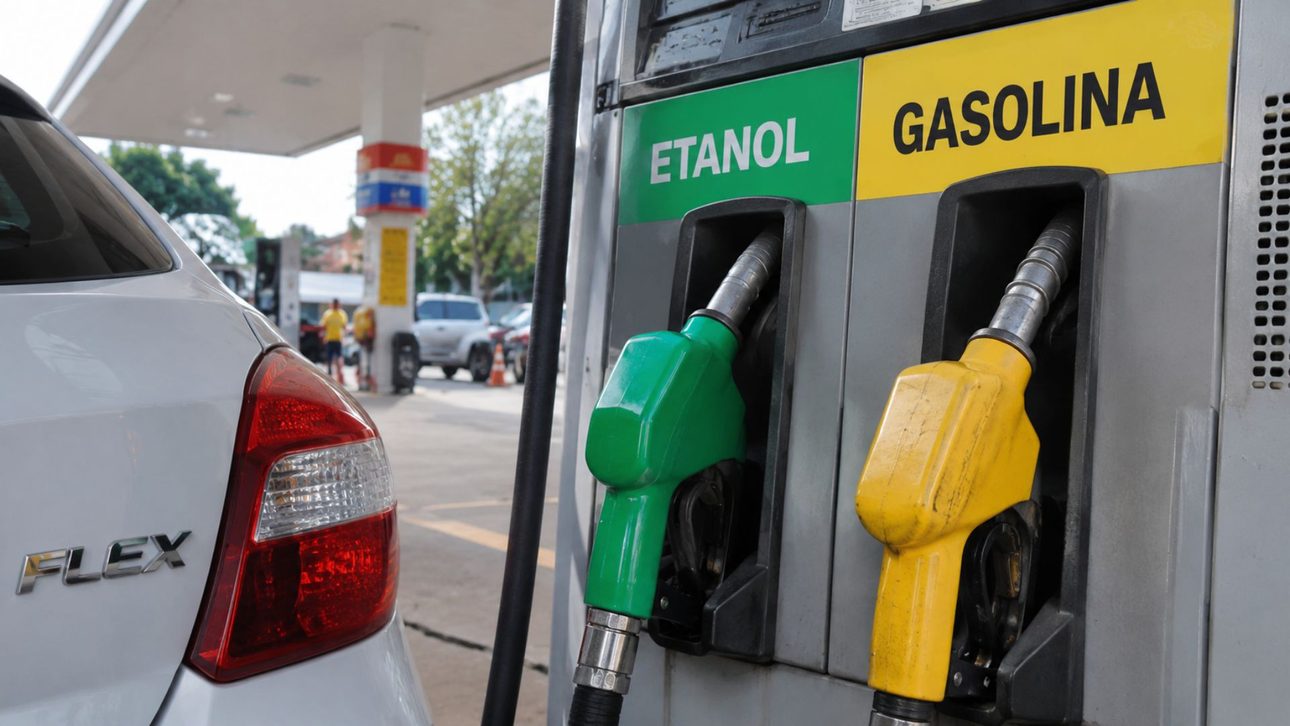


New plant could produce more than 1 million liters of biodiesel a day
The scale of the project stands out. At full capacity, Alfabiodiesel could produce 1,150 cubic meters of fuel a day, equivalent to 1.15 million liters.
In Cooperalfa’s annual projection, output reaches 414 million liters. That would make the plant one of the country’s largest biodiesel producers, based on the cooperative’s own ranking.
The plant is being built next to the facility where Alfa already processes soybeans into oil and meal. This proximity is one of the project’s main advantages, allowing it to use existing feedstocks and infrastructure.
The project also includes equipment to receive and prepare oils and fats, carry out the chemical reactions needed to produce biodiesel, and store the resulting products.
To monitor fuel quality, the cooperative announced plans to establish its own laboratory, which is expected to meet the requirements of Brazil’s National Agency of Petroleum, Natural Gas and Biofuels (ANP) and seek accreditation under ISO 17025.
In addition to biodiesel, processing is expected to generate products such as glycerin, soapstock and olein, which can be used in other industrial activities. Glycerin, for example, is used to make cosmetics and other chemicals.
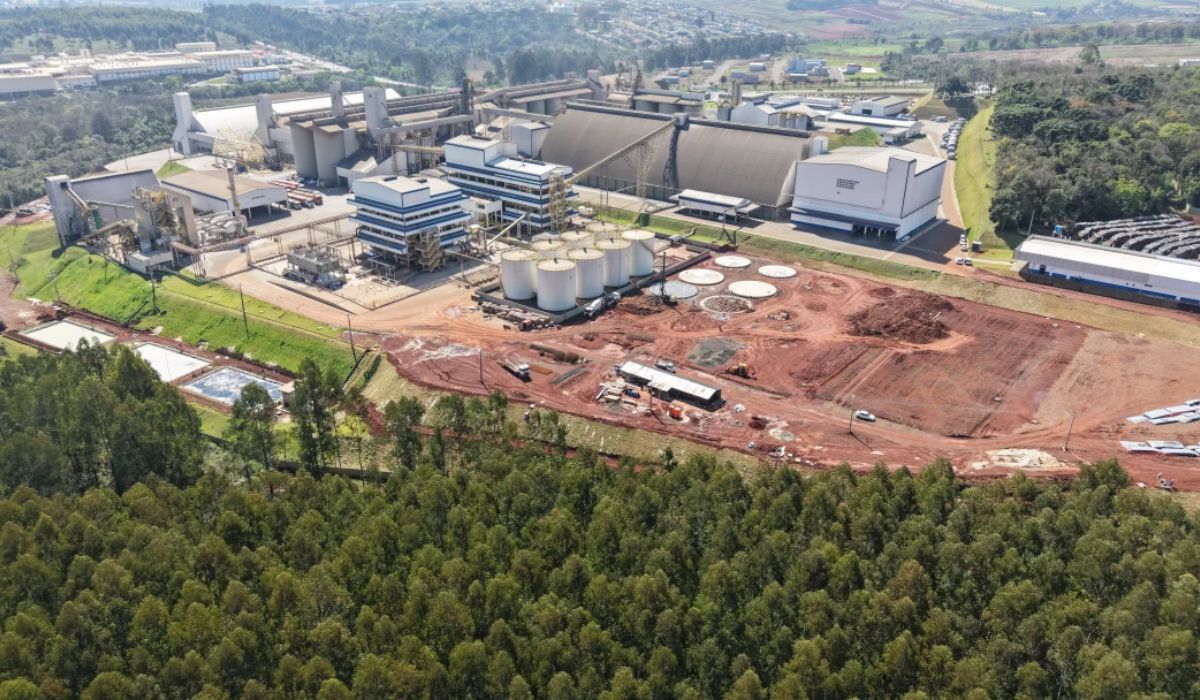
Soybean oil from cooperative members will be used to produce the fuel
A central feature of the project is the connection between farmers’ work and the new plant. Cooperalfa processes much of the soybeans supplied by its own members, and the investment aims to increase the value added to the products it receives.
The cooperative’s processing facilities currently have a reported capacity to crush approximately 2,400 metric tons of soybeans per day, producing about 450 metric tons of oil.
That oil could supply Alfabiodiesel, but it will not be enough on its own to meet the new plant’s maximum demand.
According to Cooperalfa, the plant will need about 1,000 metric tons of oils or fats per day when operating at full capacity. This means supply will have to combine in-house production with other sources of feedstock.
Biodiesel is produced through a chemical reaction that converts oils and fats into fuel. The product then undergoes separation and purification stages to meet the specifications required for sale.
For cooperative members, the project offers an opportunity to take part in a broader industrial supply chain. Instead of limiting the destination of soybeans to grain sales, the cooperative can use the extracted oil to make a product for the fuel market.
The strategy also brings agribusiness closer to demand for renewable energy. Since August 2025, diesel sold at Brazilian gas stations has been required to contain 15% biodiesel, a blend known as B15.
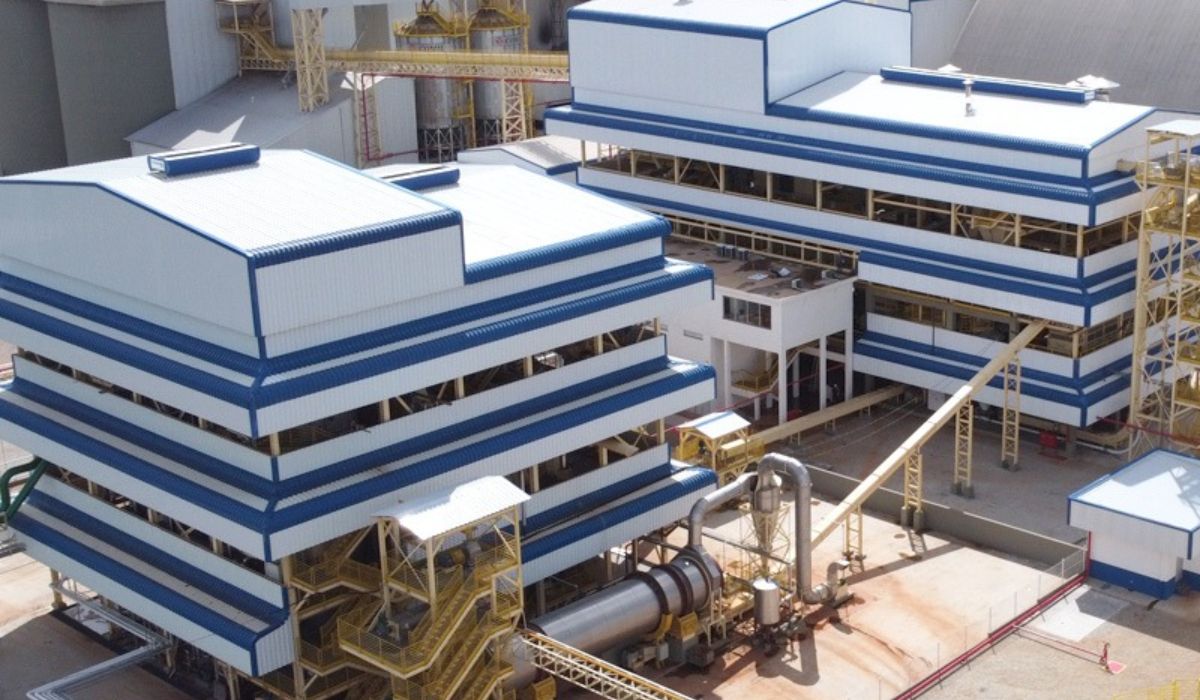
Investment is expected to create 110 direct jobs and boost Chapecó’s economy
The new industrial facility is also expected to boost economic activity around the Cooperalfa complex. The company estimates that the plant will have 110 direct jobs once it is operating.
During construction, the project is expected to involve about 300 contract workers in various construction and industrial assembly activities.
These figures are estimates tied to the project and do not necessarily represent jobs currently available.
In addition to hiring workers, the plant is expected to increase demand for raw-material transportation, equipment maintenance, industrial services and product handling.
The cooperative also expects the project to generate tax revenue. In its original presentation, the company estimated that the biodiesel plant could generate R$115.5 million a year in ICMS, Brazil’s state value-added tax, during the first phase of operations, assuming 50% use of installed capacity.
At full capacity, the projection was more than R$256 million a year. These are company estimates, contingent on future production and sales, not amounts already collected.
The cooperative also links the investment to strengthening the rural producers who supply soybeans to its facilities. Its aim is to keep more stages of processing within the cooperative supply chain, making use of infrastructure already in place in the region.
Construction advanced in 2026, but production startup still needs confirmation
When it announced construction of Alfabiodiesel in September 2025, Cooperalfa set October 2026 as the expected completion date, coinciding with the institution’s 59th anniversary.
However, the schedule was not followed by a public confirmation of a commercial launch by November 2026. In an announcement published in October, the cooperative was still expecting to complete the installation by the end of the year.
In September, the company also released results from environmental monitoring at the new plant site. Studies conducted by Impacto Assessoria Ambiental tracked terrestrial and aquatic wildlife conditions around the construction area.
The results presented by the cooperative identified 90 vertebrate species, with no threatened species recorded on the lists considered in the survey. The institution also said no animal rescue operations had been necessary up to that point.
Environmental monitoring is expected to continue during construction, with a focus on managing industrial waste and effluents and protecting nearby natural areas.
The next step will be to bring the production infrastructure online and meet the technical standards required to sell biodiesel.
With projected capacity of up to 414 million liters a year, Alfabiodiesel could increase Santa Catarina’s share of the national biofuels market. Actual production, however, will depend on completing the plant, obtaining applicable authorizations and the operating pace set by Cooperalfa.