Portuguese
  Spanish


Metallic Asteroid Close to Earth Contains Iron, Nickel and Cobalt in Quantities That May Exceed All Reserves of These Metals on the Planet.
The search for new mineral resources has just surpassed the limits of Earth. Astronomers announced the identification of two metallic asteroids close to our planet, whose composition is so dense in iron, nickel, and cobalt that it may exceed all terrestrial reserves of these critical metals. The discovery, published in 2025 by researchers from the Planetary Science Institute and the Jet Propulsion Laboratory (NASA), reinforces the theory that the Solar System houses true “cosmic treasures” formed from the cores of ancient planets destroyed by collisions.
These bodies, classified as M-type asteroids (metallic), have reflectivity and density far superior to common rocks. They orbit between Mars and Jupiter, but some have trajectories that bring them closer to Earth, making them potential targets for scientific exploration — and in the future, perhaps, for space mining.
The Asteroid That Could Be Worth Trillions
According to a report published by the Society for Mining, Metallurgy & Exploration (SME), the objects 1986 DA and 2016 ED85 exhibit spectral signatures indicating pure metallic compositions, containing iron, nickel, and cobalt in unprecedented proportions.
-
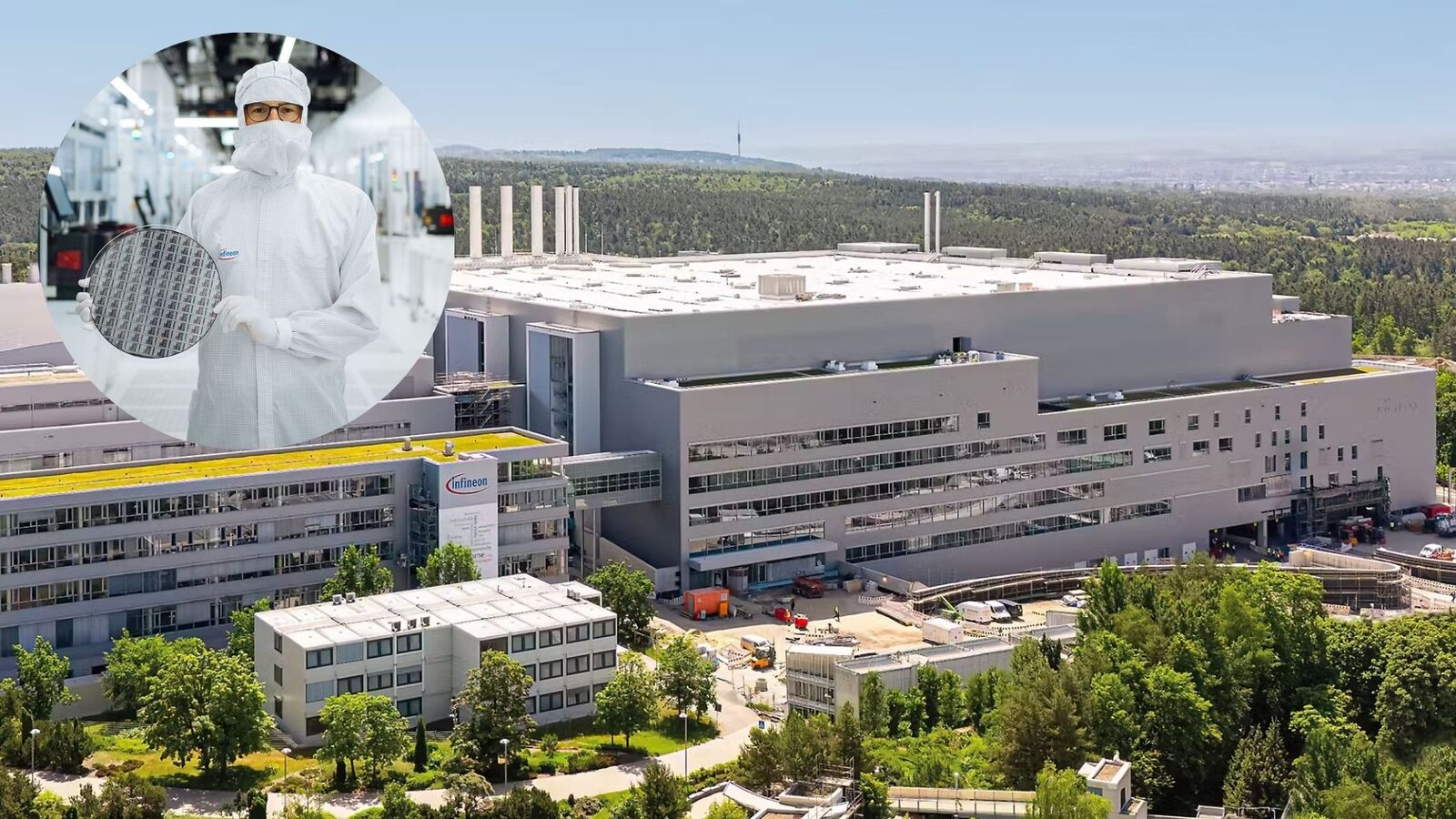
Germany Opens World’s Largest Smart Power Semiconductor Factory with €5 Billion Investment, Creating 1,000 Jobs and Doubling Capacity for AI and Energy Needs

-
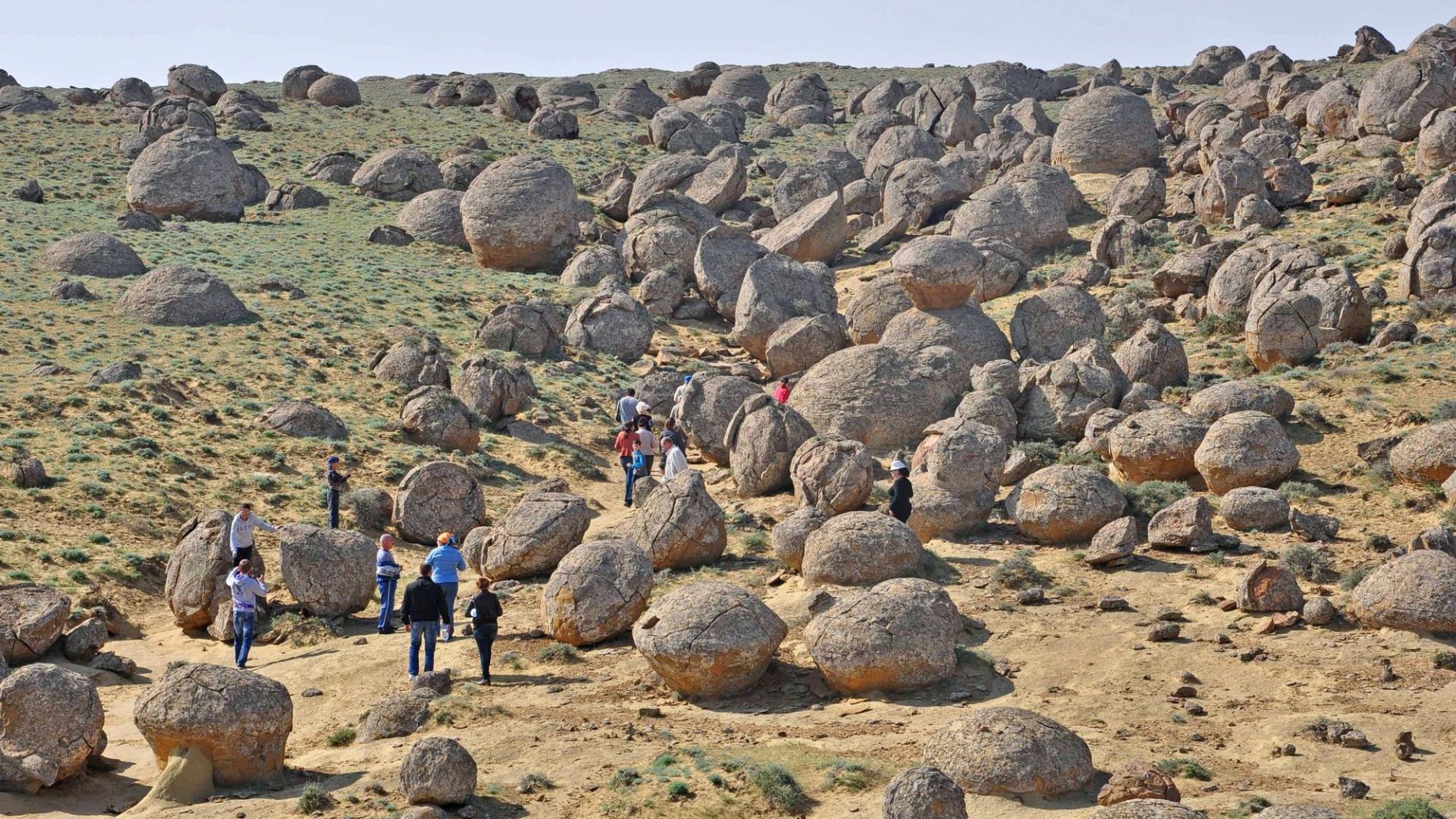
Kazakhstan’s Torysh Valley Holds Thousands of Giant Stone Spheres, Intriguing Scientists with Ancient Oceanic “Cannonballs”

-
Egypt Discovers 18 Ancient Tombs with Gold Tongues, Unveiling Unusual Funeral Rituals and Amulets Believed to Give Voice to the Dead

-
Nigeria Dumps 120 Million Tons of Sand into Atlantic to Build Massive City with 8.4 km Sea Wall for Protection Against Ocean Waves and Erosion

It is estimated that 1986 DA, with a diameter of about 3 kilometers, could contain up to 26 billion tons of metals, a volume sufficient to supply the entire steel industry on Earth for centuries.
The theoretical value of these metals is incalculable, but some estimates suggest figures exceeding US$ 10 trillion, if it were possible to extract and transport the material for industrial use. Even though space mining is far from becoming a commercial reality, the magnitude of these numbers illustrates the strategic potential of metallic asteroids in the economy of the future.
Researcher Juan Sánchez from the University of Texas explained in a statement:
“These bodies are like the exposed cores of primordial planets. Understanding their composition is like looking into the heart of the Earth — but on a cosmic scale.”
Iron, Nickel and Cobalt: The Trio That Drives Modern Civilization
These three metals are the backbone of contemporary technology. Iron is the foundation of global infrastructure, nickel is essential for strong alloys and electric batteries, and cobalt is one of the critical minerals of the energy transition, used in turbines, electric vehicles, and satellites.


With the growing demand for high-density batteries and magnetic materials, the scarcity of these resources on Earth becomes a geopolitical challenge. The new metallic asteroids represent, therefore, a potential alternative source of strategic metals, capable of supporting the technology and clean energy industries of the future.
The interest is not theoretical: companies like Asteroid Mining Corporation (United Kingdom) and TransAstra (USA) are already developing prototypes of probes for mapping and capturing small metallic bodies. NASA itself has taken a concrete step with the Psyche mission, launched in 2023, which is on its way to asteroid 16 Psyche, the first large metallic body to be studied up close.
Metallic Asteroids: Remnants of Ancient Worlds
Metallic asteroids are likely fragments of primitive planets destroyed billions of years ago, when the Solar System was still a chaotic field of collisions. Their compositions rich in iron and nickel suggest they formed from molten cores that crystallized and were then exposed by violent impacts.

This origin explains why they are so dense with specific mass of up to 7 g/cm³, similar to that of refined metals, and why they reflect sunlight in a characteristic way. It is as if pieces of the interior of ancient worlds are now floating between Mars and Earth, preserving the raw material of their internal structure.
In addition to their economic value, studying these asteroids is essential to understand how planets like Earth formed and evolved. Each fragment is a geological record of billions of years, frozen in the vacuum.
From Scientific Fascination to the Race for “Cosmic Gold”
The announcement has reignited the debate about space mining, an idea that seemed science fiction a few years ago, but today is on the agenda of national policies and corporations. The United States, Luxembourg, and Japan already have legislation that authorizes the commercial exploration of space resources, and several engineering startups are developing technologies to capture and process small asteroids.
The difference is that, until now, the targets have been rocky bodies or those rich in ice. The discovery of nearly entirely metallic asteroids changes everything: with densities close to that of pure iron, they represent an unmatched resource mine.
Even though direct exploration is still decades away, the detection of strategic metals beyond Earth consolidates a new economic frontier: interplanetary mining. And this could redefine the global geopolitics of natural resources.
A Future Where Ore Comes from Space
The idea that metallic reserves orbit silently a few million kilometers from Earth seems straight out of a science fiction novel, but it is increasingly supported by data.
The advancement of infrared telescopes, such as NEOWISE, and reconnaissance missions, such as Lucy, allow for the identification of the chemical composition of small bodies with increasing accuracy.
If today these asteroids are merely objects of study, tomorrow they could be the largest mines in the Solar System with raw materials sufficient to sustain entire civilizations.
In a not-so-distant future, the phrase “gold rush” may take on a new meaning, not in the mountains of Earth, but in deep space, where metallic giants have been waiting for billions of years to be discovered.