Portuguese
  Spanish


The advance of Chinese cars expands the offer of electrified vehicles in Brazil, but analysis points to the risk of repeating the deindustrialization seen in toys, footwear, textiles, electronics, tires, and steel.
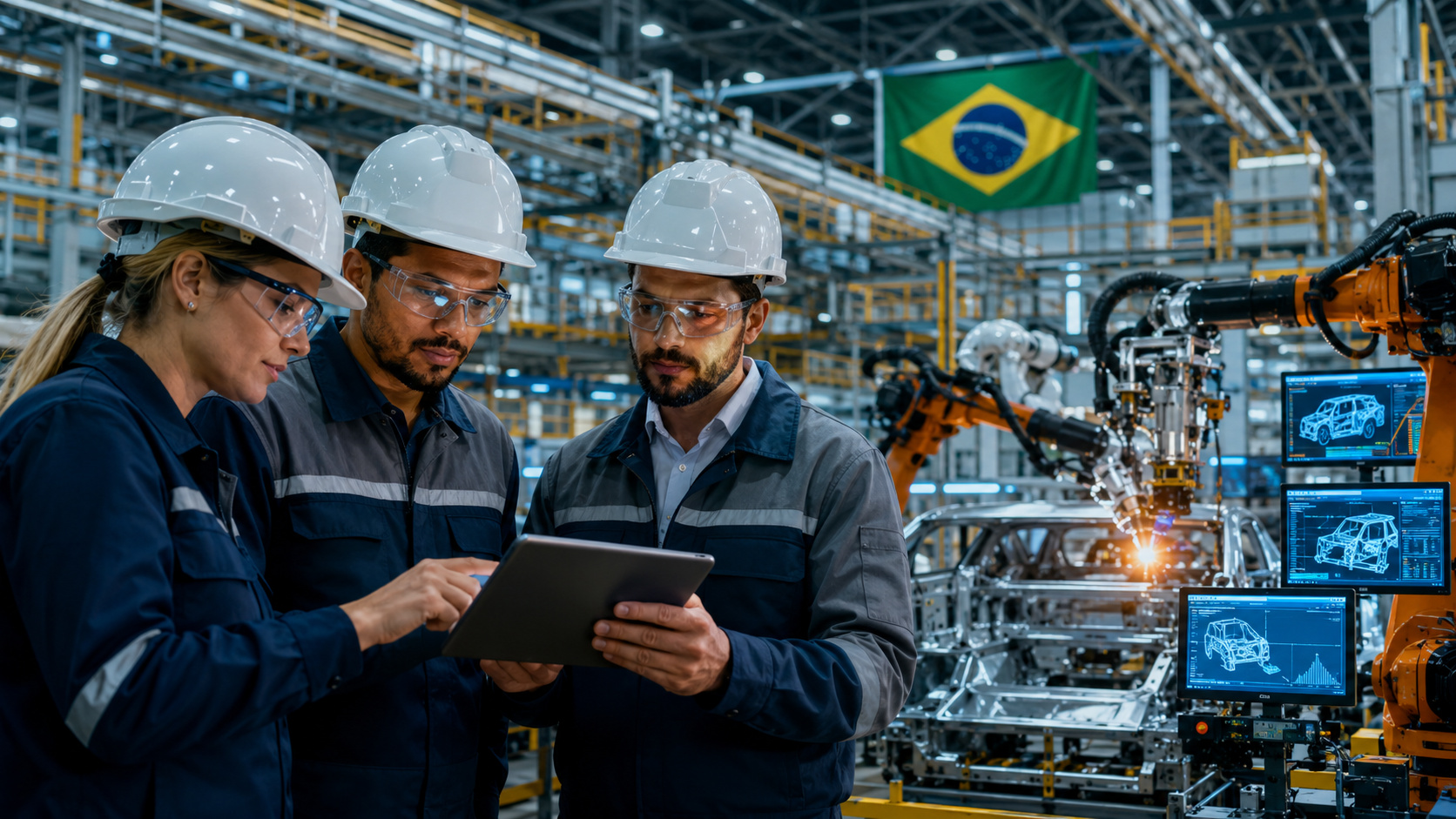
The arrival of Chinese cars in Brazil has expanded the offer of electrified vehicles, embedded technology, and more competitive prices, but it has also reignited a larger discussion: the impact of China on the national industry. An analysis published on R7 points out that the automotive sector may repeat losses already seen in toys, footwear, textiles, electronics, tires, and steel.
Chinese cars are already pressuring competition in the Brazilian market
Chinese cars have gained ground in recent years by combining electrification, modern design, and embedded technology.
The advance is already bothering traditional automakers, with a market share close to 20%, according to the base material.
-
Rolls-Royce Turns Heads with 30-Inch Floating Wheels, 6.6-Liter V12 Engine, and 563 Horsepower

-
2019 Kia Sportage EX: A Spacious and Cost-Effective SUV with 2.0 Flex Engine and Panoramic Roof
-
Fiat Strada Becomes Top Seller in June, Surpassing Onix, Polo, Hilux, and T-Cross with 107 HP Engine and 732 km Range.

-
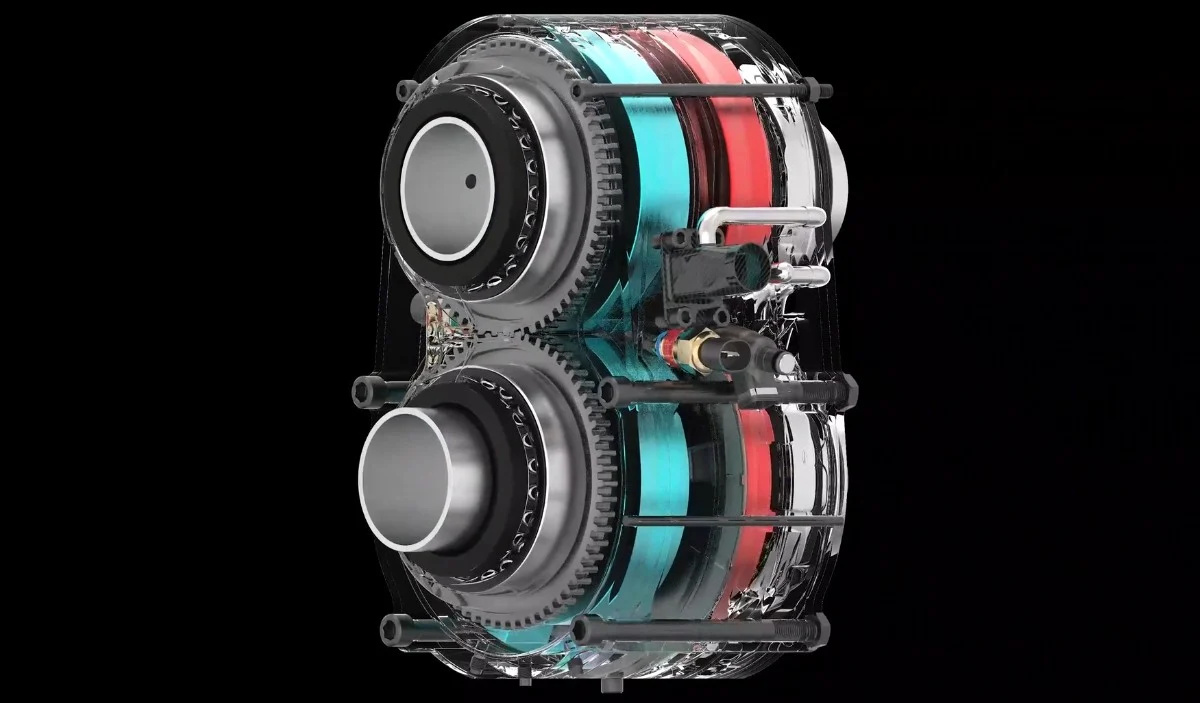
Suitcase-sized hydrogen engine spins at 25,000 rpm, nearly doubling the efficiency of conventional cars and replacing exhaust smoke with water vapor


For the consumer, the immediate effect is positive. There are more options, more competition, and greater access to electric and hybrid models. However, the central point of the analysis goes beyond vehicle performance.
The concern lies in the long-term industrial impact. The text argues that Chinese cars are the latest expression of a process that began decades ago, linked to the loss of productive density in Brazil and the growth of China in global chains.

The analysis links the Chinese advance to deindustrialization
The analysis presented on R7 organizes the problem in a timeline. In the 1980s, productive globalization began to shift manufacturing to Asia, especially to China, reducing industrial complexity in various countries.
In the 1990s, trade liberalization exposed Brazilian industry to international competition. China did not yet dominate global trade as it does today, but it was already advancing as a supplier of cheap manufactured goods.
This movement first impacted labor-intensive sectors, such as textiles, toys, and simple electronics. The interpretation is that the pattern seen in these segments is now beginning to appear in the automotive sector.
In 2001, with China’s entry into the World Trade Organization, the country accelerated its integration into global value chains. The result was broader competition, reaching virtually all industrial sectors.
Commodities advanced while manufactured goods lost ground
Between 2003 and 2010, Brazil began to predominantly export commodities, such as ore, soy, and oil, and import higher value-added manufactured goods. This movement is presented as part of the so-called regressive specialization.
In practice, the country reduced its presence in complex goods and reinforced its dependence on basic products. The base material relates this process to the loss of the industry’s share in GDP and employment.
From 2010 to 2018, China consolidated itself as Brazil’s main trading partner. In the same period, the manufacturing industry fell to historically low levels, while traditional sectors began to face factory closures and loss of scale.
Starting in 2019, the pressure gained another layer with platforms like AliExpress, Shein, and Temu. The entry of low-value Chinese products impacted clothing, toys, simple electronics, and household utilities.

Already affected sectors show the risk for the automotive industry
The base material cites the toy sector as a direct example. The massive entry of Chinese products since the 1990s led many companies to stop producing the complete toy and operate in CKD mode.
Today, more than 60% of toys sold in Brazil are Chinese, according to the provided material. Brands like Estrela, Glasslite, and Trol lost ground or practically disappeared in this process.
In footwear, the pressure comes from prices that are difficult to match, with factory closures in Vale dos Sinos, Rio Grande do Sul, job reductions, and a shift from production to importation.
In textiles and clothing, Shein and Temu appear as factors accelerating the market loss of the national industry after the end of the “blouse tax.” The material points to the closure of clothing factories, loss of formal jobs, and weakening of traditional hubs.
The trade deficit in manufactured goods was US$ 134 billion in 2025, with a forecast of a new deficit exceeding US$ 150 billion this year, according to the presented data.
Automotive sector may repeat losses in technology and local production
The central issue for the automotive sector is not just selling Chinese cars in Brazil. The highlighted risk is the possibility of local assembly without mastery of intelligence, technological development, and the core of the product.
Even with local content requirements and regulatory barriers, the analysis states that the short and medium-term impact is already underway. Technology, R&D, and strategic decisions may remain concentrated outside Brazil.
The base material acknowledges that Chinese cars are competitive and benefit the consumer. The question raised is about the industrial cost of this transformation for the country.
Without industrial policy, local innovation, and long-term strategy, the automotive sector may follow the same path as toys, footwear, textiles, electronics, tires, and steel: more importation, less complex production, and less technological mastery in Brazil.
This article was prepared based on information from the base material provided by the user, with data, numbers, and statements preserved as per the consulted material.