Portuguese
  Spanish


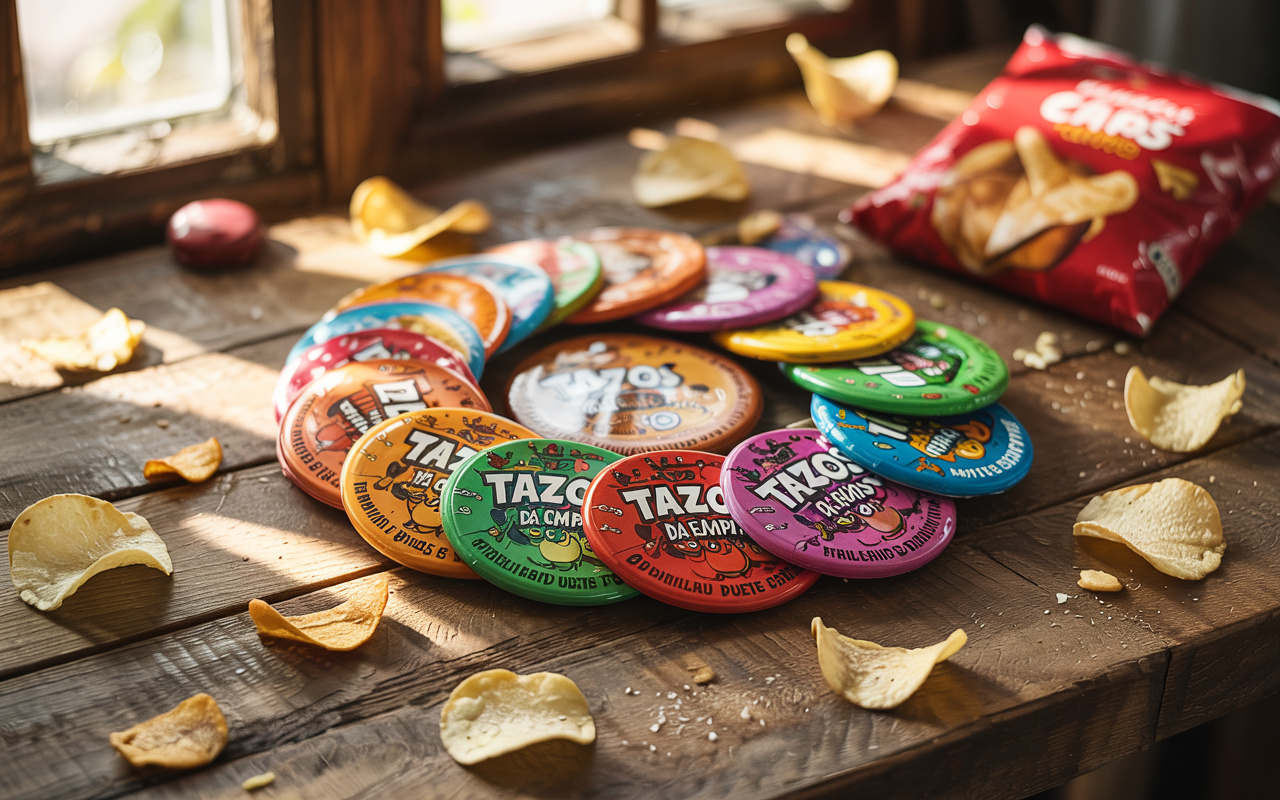


Absolute Success in the 90s, Elma Chips Tazos Conquered a Generation and Disappeared from Snacks Without Warning. Understand the Real Reasons Behind the End of Freebies, the Impact of Changes in Children’s Advertising, and How the Tazos Fever Still Lives in the Memory of Brazilians
During the childhood of millions of Brazilians in the 90s and 2000s, few items caused as much excitement as Elma Chips Tazos. Found in snack packages like Cheetos, Fandangos, and Ruffles, they became a true cultural and social phenomenon. The Tazos craze moved schools, brought friends together in trading circles, and sparked collectors of all ages.
But, almost suddenly, Tazos disappeared from the shelves and snack foods in Brazil without any clear explanation. In this article, we explore why these iconic items vanished, what factors contributed to the end of the Elma Chips freebies era, and what still keeps the nostalgia for these toys from the 90s alive.
The Origin of Tazos and Their Success in Brazil
Tazos originally emerged in Mexico in 1994 as a strategy by Sabritas, a subsidiary of PepsiCo, inspired by POGs — small collectible discs popular in the United States. In Brazil, Tazos arrived in March 1997, through Elma Chips, also part of PepsiCo.
-
Volcanic Soils from Destructive Eruptions Turn into Million-Dollar Crops: Ashes Nourish Grapes in Lanzarote, Bananas in the Canary Islands, Blood Oranges on Mount Etna, and Cacti in Mexico, Showcasing How Lava-Formed Lands Sustain Rare Harvests in Seemingly Barren Regions

-
In the Caucasus Mountains, a Community Preserves a Language So Rare Few Outsiders Can Understand It

-
Slovakia’s Ice Cave Holds Over 110,000 m³ of Frozen Wonders, Boasts Walls Up to 27 Meters Thick, and Was Among the First Electrified Caves Globally

-
Street Cleaner Accidentally Receives $200,000 Transfer, Returns Unexpected Fortune to Rightful Owner




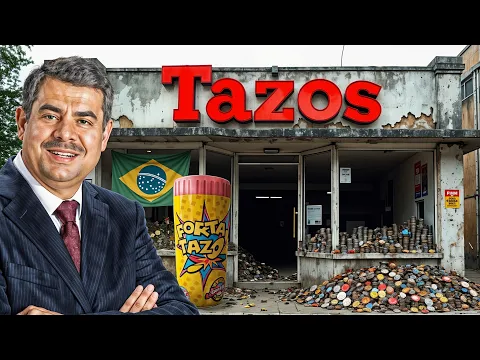

The first collection, called Tazo Mania, featured characters from the Looney Tunes series and quickly became a massive success. The idea was simple: each snack came with a plastic disc that could be collected and used in games. The appeal was immediate — cheap, fun, and visually striking. Consumers went wild.
Over the years, more than 20 collections were launched in the country, including themes like Pokémon, Dragon Ball Z, Naruto, Animaniacs, Tiny Toon, Digimon, Yu-Gi-Oh!, among others.
The Tazos Craze: 90s Toys That Marked Generations
The Tazos craze was a reflection of the marketing creativity of the time, which used Elma Chips freebies as tools for loyalty. The promotion was straightforward: the more snacks you bought, the more chances you had to complete the collection — transforming supermarket shelves into a true hunting ground for the next rare disc.
Children traded, played, and even dueled with Tazos during school breaks. Besides the playful appeal, Tazos also served as a social passport: having many, or the harder-to-find ones, earned prestige among peers.
The psychological and commercial effect was powerful — in 1995, Elma Chips was the third largest operation of PepsiCo Foods International in the world, with an estimated revenue of US$ 400 million, highlighting the brand’s strength in Brazil during the peak of promotions like Tazos.
Why Did Tazos Disappear from Snacks?
Despite massive success, Tazos vanished from snacks due to a combination of economic, legal, and cultural factors. The decline began to be felt from the second half of the 2000s, with the complete end of regular collections around 2013.
Legal Restrictions and Changes in Children’s Advertising
The main reason for the end of the distribution of freebies like Tazos was the shift in children’s advertising regulations. In 2014, the National Council for Children’s and Adolescent Rights (CONANDA) published a resolution considering any advertising aimed at children that encouraged product consumption through freebies as abusive.
Similar laws also emerged in some cities, such as São Paulo and Santa Catarina, restricting promotional actions with industrialized products aimed at children. This made campaigns with freebies, like Tazos, unviable from both legal and economic perspectives.
Changes in Habits and Digitalization of Entertainment
In addition to the legislation, consumer behavior also changed. Childhood became more digital: mobile games, social media, and platforms like YouTube and TikTok took the place once filled by physical toys.
Elma Chips, keeping pace with these transformations, shifted its focus to other marketing strategies, often aimed at an adult audience — such as limited editions and nostalgic campaigns, but with less mass appeal.
Tazos Return in Special Editions and Revive Snack Nostalgia
Despite the regular disappearance of Tazos, the brand attempted to resurrect the success with occasional collections. In 2020, for example, special editions of the Champions League and Pac-Man were launched, available in packages of Doritos, Ruffles, and Cheetos. The action, clearly aimed at a nostalgic audience, sought to revive fond childhood memories from the 90s.
According to PepsiCo, the idea was to combine the physical with the digital, with apps and augmented reality experiences integrating the play. Although they did not achieve the same success as in the 90s, these actions showed that interest in the product still exists — especially among adults who grew up collecting Tazos.
The Strength of Elma Chips Tazos and Their Cultural Impact
More than just simple pieces of plastic, Tazos represented an era where buying a snack came loaded with expectation and emotion. Elma Chips freebies, including Mini Craques, Spinnerz, and other collectibles, were part of the childhood of millions.
Culturally, Tazos established Elma Chips as a reference in creative promotions, influenced consumer behavior, and helped shape the relationship between brands and children.
The simple mechanics of collecting, trading, and playing generated engagement, emotional bonds, and loyalty — something rare in today’s more impersonal and digital promotional actions.
What the End of Tazos Says About the Market and Today’s Childhood
The disappearance of Elma Chips Tazos reveals much more than a shift in corporate strategy. It shows how the children’s universe has transformed over the last 20 years: today, the space for physical and in-person play has been replaced by screens, digital platforms, and online games.
Moreover, concerns about healthy eating, the high sodium and fat content in snacks, and stricter advertising regulations have made the continuation of promotions like this unfeasible. Brands that once relied on physical freebies to differentiate themselves now invest in digital experiences, gamification, and influencers.
But the nostalgia for snacks and the memory of 90s toys remain alive in online communities, collector groups, and in limited editions that attempt, even if for a short time, to revive an era that marked generations.
Much More than Discs: Tazos Disappeared but Were Not Forgotten
Today, even though Tazos have vanished from the shelves, they continue to be fondly remembered. Whether in nostalgic videos on YouTube, in collector communities on Facebook, or in marketplaces where rare editions are sold for high prices, the legacy remains.
Elma Chips Tazos were undoubtedly one of the most successful promotional actions in Brazil. Their disappearance results from a transforming world — but their memory remains strong in the emotional memory of those who lived through that era.
For a new generation of consumers seeking emotional connection with brands, perhaps the key is exactly in recovering what Tazos had of most valuable: simplicity, interaction, and affection.