






 Portuguese
  Spanish


Ventilation Used A Traction Rope And Gears To Generate Wind, Being An Example Of Innovation Before The Modern Electric Era
At the beginning of the 20th century, a Swiss company developed an ingenious solution for heat in areas without electricity. A wind fan powered by a rope, manufactured by E. Paillard & Co. around 1910, demonstrated that it is possible to cool the environment without relying on electricity.
Fan Technology Based On Rope And Spring
The operation of the device is simple and straightforward. No batteries, no wires, and no need for outlets, the fan uses a spring motor.
The rope is manually tensioned, and when released, it moves the blades of the fan. Each full charge provides about 30 minutes of gentle breeze, sufficient to relieve the heat on hot days.
-
Russia and India Lift 320-Ton Pressure Vessel into Kudankulam Nuclear Plant Reactor, Advancing Project That Has Already Prevented 112 Million Tons of CO2 Emissions

-
Brazilian Student Wins Global Science Fair in the U.S. with Sound Wave Method to Alter Alzheimer’s-Linked Genes
-
Bosch Unveils Revolutionary 2.3 kg Hub Motor for E-Bikes with 45 Nm Torque and 400 Watts Power, Eliminating Resistance Above 25 km/h in Historic Shift for German Manufacturer
-
Brazilian Engineer Develops Marine Bacteria from Ubatuba into a Mini Power Plant Generating 227 mW per Square Meter, Cleans Air by Capturing CO₂ and Releasing Oxygen


Designed especially for tropical areas or places without access to the electrical grid, the equipment impresses with its mechanical efficiency and low environmental impact.
It is an alternative that does not generate energy consumption during use and offers modest, yet functional performance.
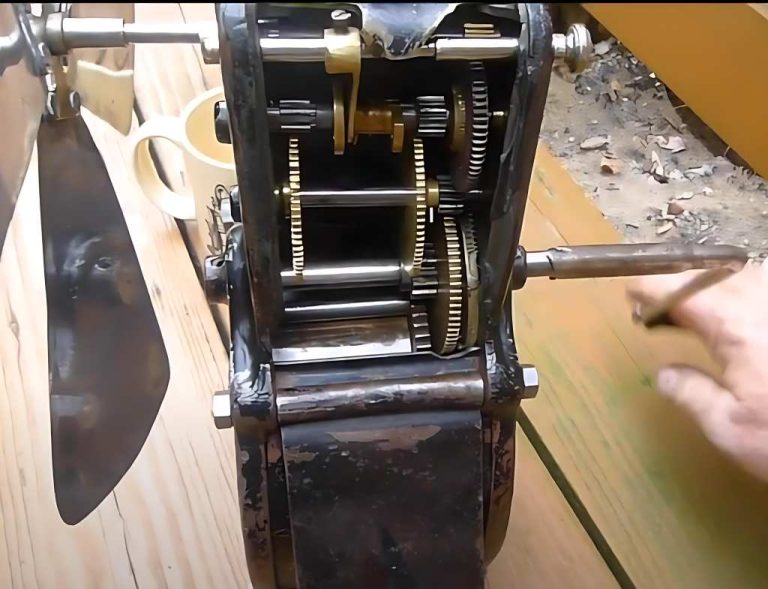
Durability That Lasts Through Generations
More than a hundred years after its creation, many examples of the fan still work perfectly. This is due to its robust construction and design aimed at longevity.
Unlike modern products, marked by short life cycles and planned obsolescence, the Paillard fan stands out for its durability.
This characteristic, combined with the fact that it does not depend on electricity or electronic components, makes it an example of practical sustainability. Its carbon footprint is nearly zero, and it can be used for decades with minimal maintenance.
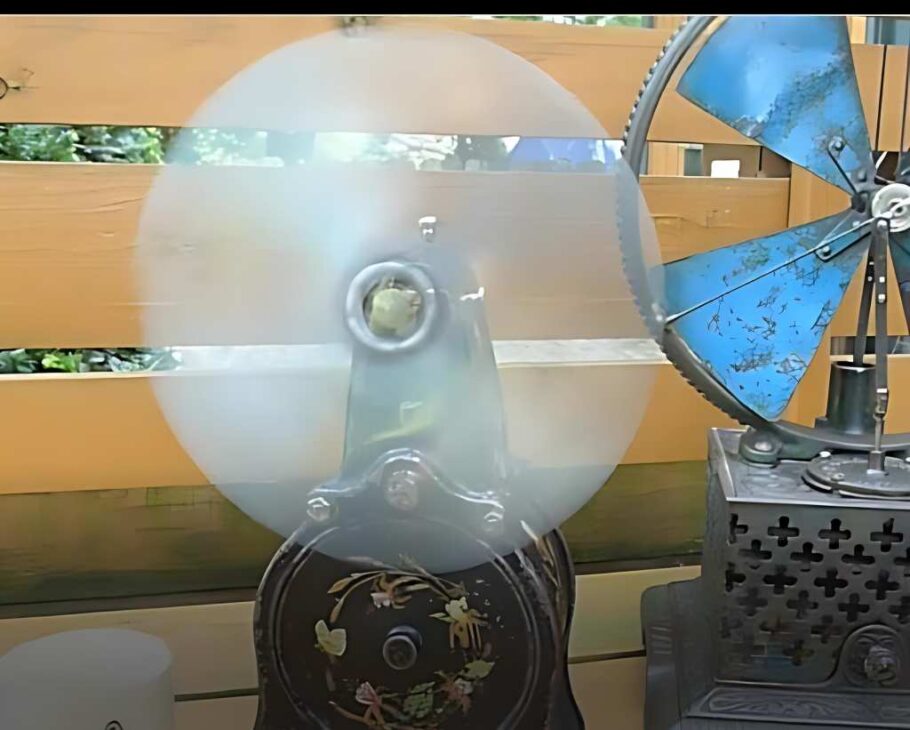
Possible Applications In The Modern World
Although it was developed in the early last century, the concept remains relevant. In rural locations or regions with unstable electricity supply, the rope fan can be a useful solution.
It also fits well in emergency situations, in off-grid homes, or in projects aimed at reducing energy consumption.
The simplicity of the mechanism also offers an educational opportunity. It allows teaching about mechanical energy, sustainability, and reuse, helping to promote environmental awareness in schools and social projects.
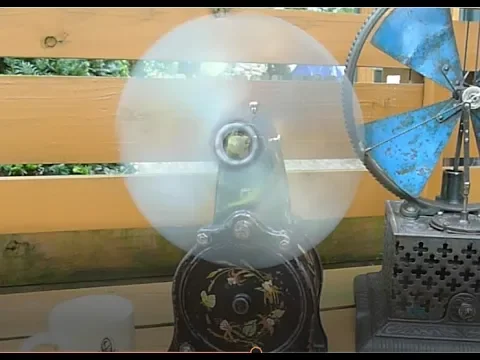

Other Sustainable Models Of The Era
In addition to the rope fan, the Swiss company also tested prototypes based on the Stirling cycle. This is a type of engine that can be powered by renewable thermal sources, such as sunlight.
These models shared the same philosophy: eliminate electrical dependency, reduce complexity, and maximize lifespan.
This type of innovation, considered outdated for decades, is gaining relevance again amid the current demand for sustainable technologies. In a scenario where reducing consumption is a global goal, solutions like this show that the future can be built with ideas from the past.
The mechanical technology created by Paillard in 1910 shows that it is possible to cool environments with intelligence and environmental awareness.
With modern materials and small adaptations, this type of fan can once again be produced and used widely, helping to reduce electricity consumption and promoting a simpler and more efficient life.







-

-

2 people reacted to this.