Portuguese
  Spanish


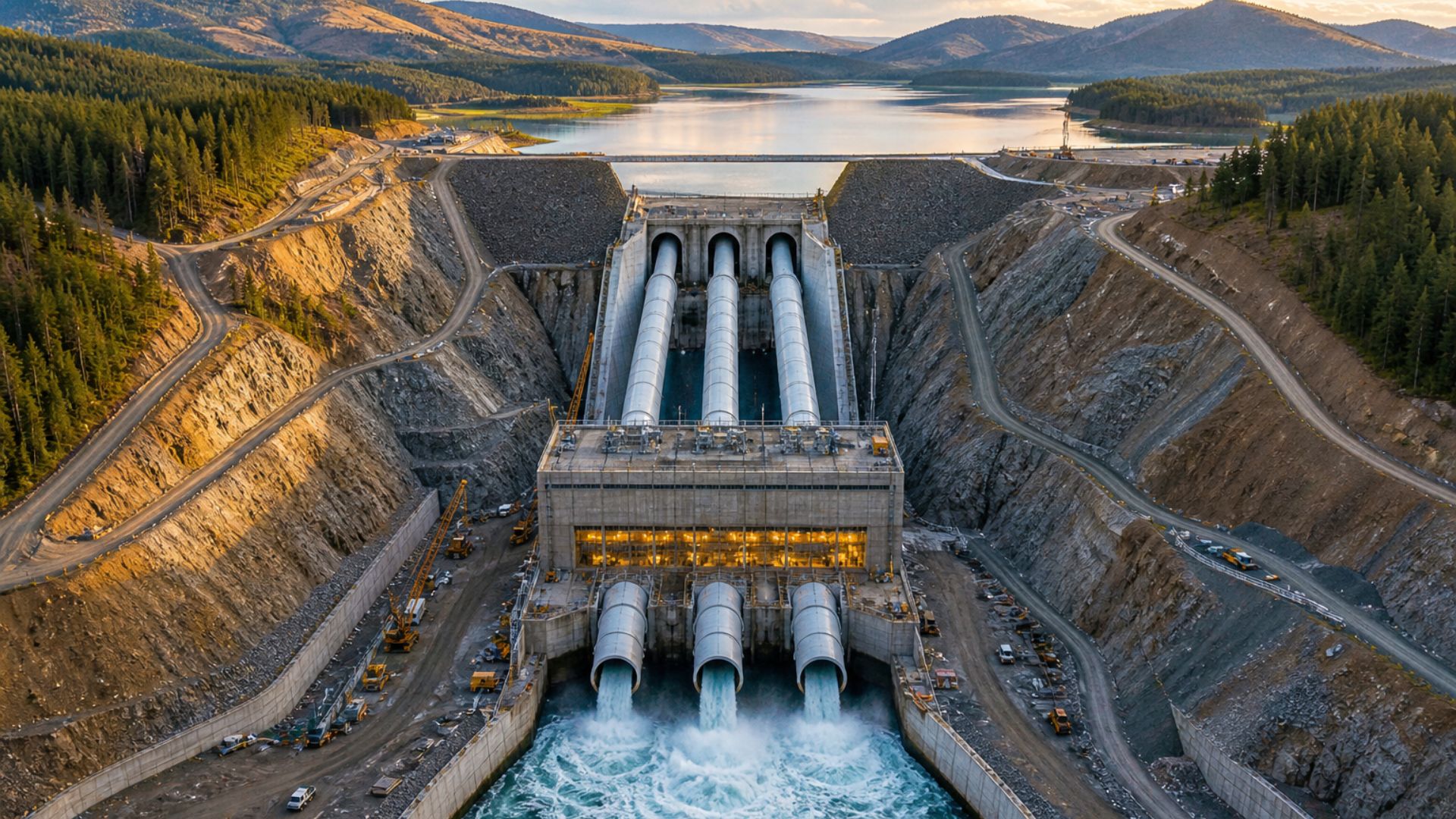

Federal license unlocks strategic energy storage project in the Northwest United States, with 1,200 MW capacity and focus on balancing intermittent generation from wind and solar sources for up to 12 hours, enhancing regional grid stability.
The granting of a 40-year federal license to the Goldendale Energy Storage Project marks a decisive step forward for one of the largest energy storage projects in the United States, planned for Klickitat County, Washington state.
Issued by the Federal Energy Regulatory Commission on January 22, 2026, the authorization permits the construction and operation of a reversible hydroelectric plant with an installed capacity of 1,200 megawatts, considered strategic for the electrical system.
Within the context of renewable energy expansion, the project was conceived as a long-duration storage structure, capable of retaining electricity for up to 12 hours by pumping water between reservoirs positioned at different levels.
-
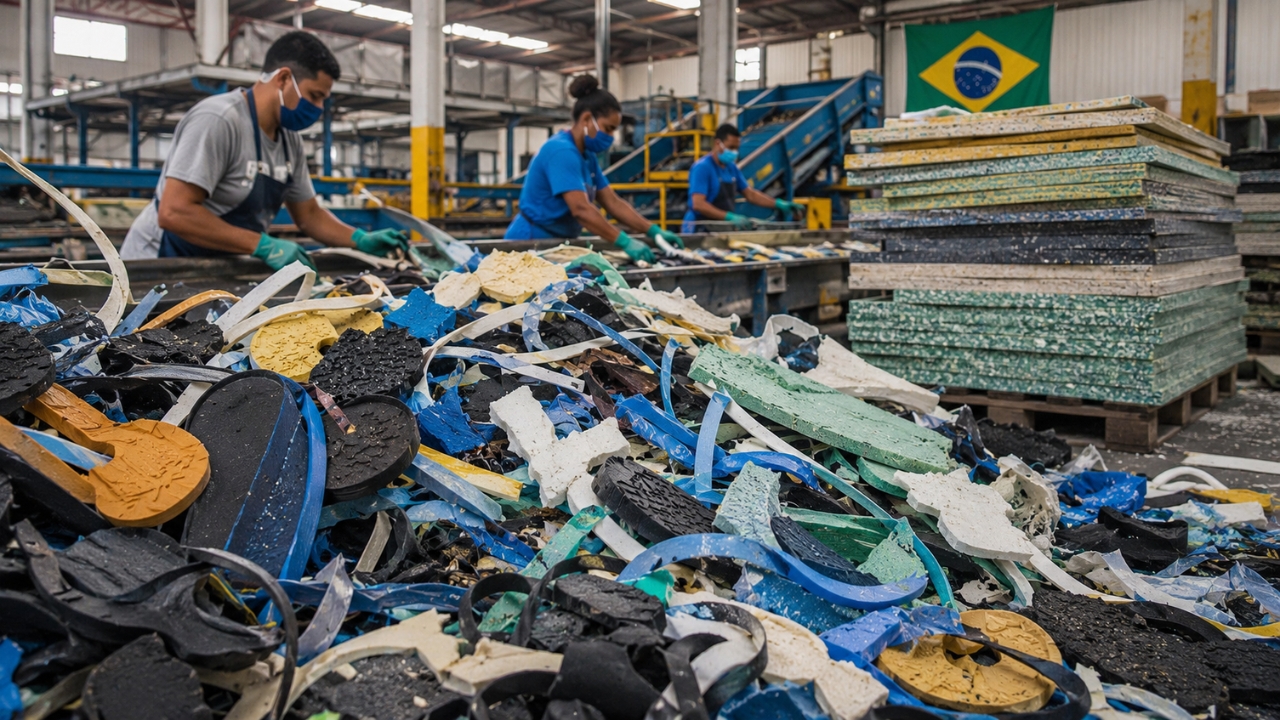
The industrial waste that even recyclers didn’t want has gained value in the interior of Bahia: two entrepreneurs invested R$ 2.8 million to transform 350 tons per year of foam, rubber, and plastic into boards that can replace wood and MDF.

-
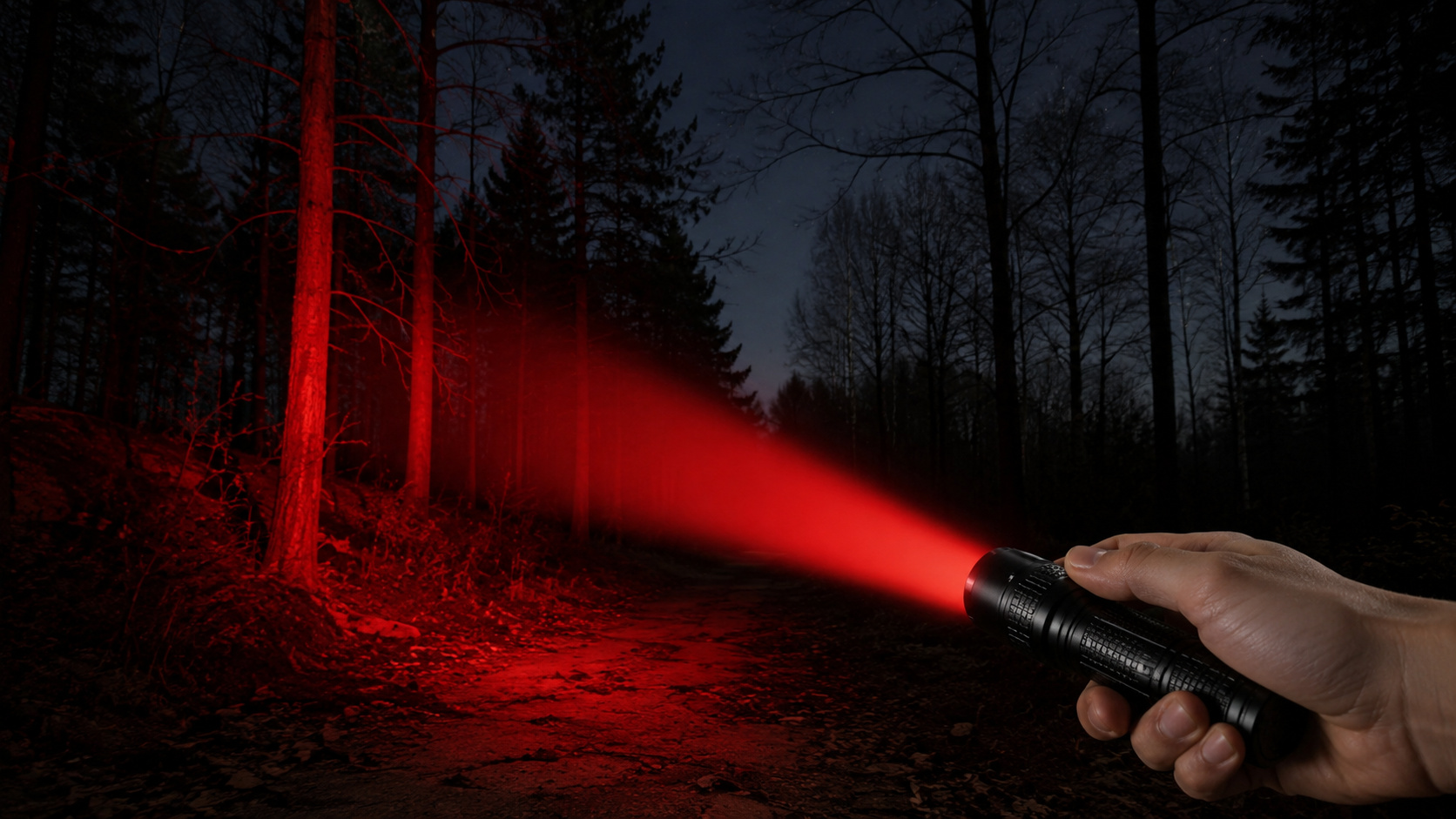
What is a red flashlight used for, after all? See why it is so commonly used at night.

-
He has never read a line of code, but he already knows how to work: the French company UMA presented in Paris the Northstar, its first AI-powered humanoid robot designed for factories and warehouses, capable of copying tasks just by observing an employee in action.

-
A young Kenyan engineer collects plastic waste from the streets and transforms it into robots that translate physics lessons into sign language in real-time, a machine made with old bottles that teaches what was missing to deaf children left out of science.


In operational practice, the facility acts as a large-scale hydraulic battery, offering support to the electrical grid in scenarios of high variability in wind and solar power generation, increasingly present in the North American matrix.
Located approximately 8 miles, or 12.9 kilometers, southeast of the city of Goldendale, the plant will be implemented in a closed-loop system, without direct connection to the natural flow of rivers or streams.
According to FERC, the undertaking will also include transmission lines extending to Sherman County, Oregon, reinforcing the regional integration of the energy system in the country’s Northwest.
This stage represents the most significant regulatory advancement since the initial application was filed in June 2020 by FFP Project 101, LLC, responsible for the project’s development.
In total, the occupied area spans 18.1 acres of federal land belonging to the U.S. Army Corps of Engineers and managed by the Bonneville Power Administration, in a region already established as an energy corridor.
How the Goldendale reversible plant works
Although the operating principle is relatively straightforward, the engineering involved in operating a reversible plant requires high technical complexity and detailed planning to ensure efficiency and stability in energy supply.
During periods of low demand or excess renewable generation, available electricity is used to power pumps that transport water from the lower reservoir to the upper one, storing potential energy in the process.

When there is a need for increased supply, especially during peak hours, water is released back to the lower reservoir through tunnels, moving turbines that convert this energy into electricity.
This mechanism allows for shifting energy supply over time, balancing differences between production and consumption, which is considered essential in systems with high participation of intermittent sources like wind and sun.
With a capacity of 1,200 MW, the project positions itself among the largest storage systems under analysis in the country, which increases the interest of operators, investors, and public policy makers in the electricity sector.
Furthermore, the proposal reinforces a structural change in the energy sector, where the ability to store electricity becomes as relevant as generation itself, especially in scenarios of energy transition.
Environmental licensing and impacts analyzed by FERC
Despite the regulatory advancement, the licensing process highlighted a series of environmental impacts that needed to be thoroughly evaluated before the federal license was granted.
For this purpose, FERC’s technical team prepared an Environmental Impact Statement, with the collaboration of the U.S. Army Corps of Engineers, to examine the effects of the undertaking’s construction and operation.
Among the main points analyzed are risks of soil erosion, dust emission during construction, and possible changes in surface and groundwater quality over time.
The water withdrawal required for the initial filling of the reservoirs, as well as for their replenishment during the continuous operation of the plant, was also considered.
Another sensitive aspect involves aquatic fauna, with emphasis on possible impacts on juvenile salmon migration and the risk of smolt entrainment during the reservoir filling process.
Over time, the study also points to the possibility of an increase in the concentration of dissolved solids, nutrients, and heavy metals in the stored waters.
According to the environmental analysis, the project could result in the loss of 193.6 acres of wildlife habitat, in addition to causing temporary disturbance to another 54.3 acres during the construction phases.
Furthermore, there is an additional risk of bird and bat mortality due to interaction with nearby wind turbines, as the reservoirs can act as an attractive element for these species.
Cultural impacts and indigenous areas at the center of the debate


Parallel to environmental issues, the licensing brought to light significant impacts on areas of historical, archaeological, and cultural value present in the project region.
FERC identified unavoidable adverse effects on five individual archaeological resources, in addition to the Columbia Hills Archaeological District and three Traditional Cultural Properties known as Pushpum, Nch’ima, and T’at’ałíyapa.
Another highlighted point involves the possible restriction of tribal communities’ access to areas traditionally used for plant gathering, which could affect cultural practices and ways of life associated with the territory.
In addition, the alteration of the visual aspect of the landscape was considered relevant, especially due to its symbolic and cultural impact on indigenous populations who maintain historical ties with the region.
Thus, the project began to concentrate a broad set of debates that go beyond electrical engineering, incorporating discussions about heritage, cultural identity, and land use.
Even in the face of these issues, FERC’s technical recommendation was for the adoption of the so-called Staff Alternative, which provides for the granting of the license with a series of conditions and operational adjustments.
Among these requirements are measures proposed by the company, compliance with water quality certification under section 401 of the Clean Water Act, and incorporations suggested by public agencies, tribes, and non-governmental organizations.
Role of storage in renewable energy expansion
In the current scenario of the North American electricity sector, there is a growing need for solutions capable of increasing grid flexibility in the face of the accelerated expansion of intermittent renewable sources.
With wind and solar generation subject to natural variations, storage systems such as pumped-hydro plants become essential to balance supply and demand throughout the day.
Unlike conventional hydroelectric plants, which depend on the continuous flow of rivers, these undertakings use the altitude difference between reservoirs to store energy in a controlled manner.
In the northwestern United States, where there is a strong presence of transmission infrastructure and renewable resources, projects of this type are seen as key pieces to ensure operational stability.
Within this context, the Goldendale project combines high installed capacity, prolonged storage capacity, and strategic connection to the regional grid.
Even so, the 40-year license does not eliminate the challenges associated with implementation, as the work remains conditioned on strict compliance with technical and environmental requirements.
The project’s progress highlights the growing role of large storage systems in the energy transition, while also reinforcing the need to balance operational gains with environmental and cultural protection.