






 Portuguese
  Spanish


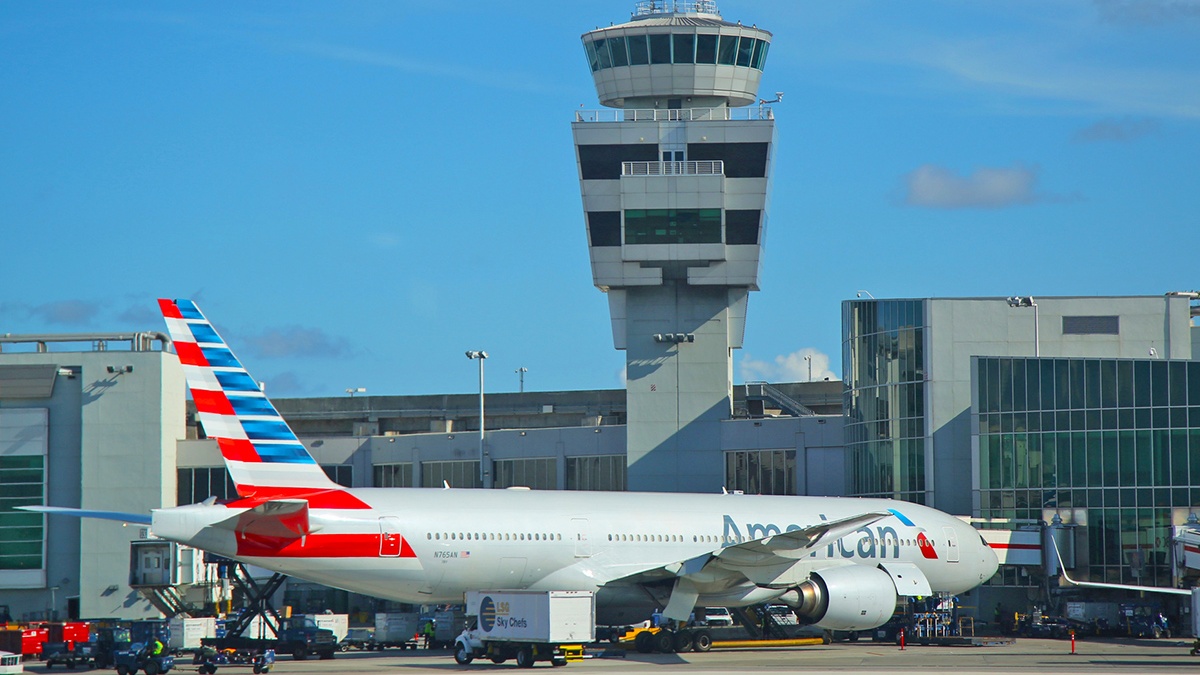

The United States Federal Aviation Administration (FAA) is increasing oversight on intoxicated passengers and may tighten rules related to alcohol consumption before boarding. The measure comes after an increase in incidents involving intoxicated passengers on flights and new actions by the agency to hold airlines accountable for allowing visibly intoxicated people to board.
Additionally, the topic returned to the center of discussions after the FAA proposed a fine of $165,000 against Alaska Airlines, accused of allowing intoxicated passengers to board 11 flights between 2024 and 2025. The case reignited debates about possible restrictions on alcohol consumption in bars located within airports and in areas near boarding gates.
FAA increases pressure against intoxicated passengers
American authorities have been showing growing concern with cases of indiscipline on board.
-
Billionaire says the most valuable skill will help overcome job elimination caused by AI, following Bill Gates’ fears

-
A Dutchman created a ‘box’ that makes trees grow in the desert almost without water and without irrigation: the invention has already brought seedlings to dozens of countries and achieves up to 90% survival where common planting did not exceed 10%.

-
Abandoned warehouse hid a giant collection of rare computers, with over 2,000 artifacts from the 1930s to the 1980s.
-
Scientists warn that melting ice is triggering an alarming chemical transformation in preserved areas, and the first signs are already concerning researchers worldwide.




Furthermore, intoxicated passengers are frequently associated with episodes of aggression, arguments, disobedience to crew instructions, and situations that put flight safety at risk.
Experts state that excessive alcohol consumption continues to be one of the main causes of incidents involving passengers on aircraft.
In this context, new measures have started to be discussed.
Airline received a million-dollar fine
The FAA proposed a penalty of $165,000 against Alaska Airlines.
Furthermore, the agency claims that the company allowed the boarding of passengers who appeared to be intoxicated on several flights conducted over the course of a year.
Experts state that the action sends a strong signal to the entire American aviation sector.
As a result, other companies have started to review internal procedures.
Rules already prohibit boarding of intoxicated people
United States legislation already stipulates that visibly intoxicated passengers cannot board aircraft.
Additionally, flight attendants are also prohibited from serving alcoholic beverages to people who appear to be intoxicated.
Experts state that the problem often begins even before the passenger boards the plane.
In this scenario, airports have started to be included in discussions about consumption control.

Airport bars may come under scrutiny
Although there is no official ban yet, industry experts assess that bars and restaurants located within airports may face stricter inspections.
Moreover, the debate is growing about limiting alcohol sales close to boarding times.
Experts state that many passengers start excessive consumption even before boarding the aircraft.
Therefore, the discussion has gained momentum in recent months.
Cases of aggressive behavior concern authorities
Intoxicated passengers frequently cause disorderly incidents on flights.
Additionally, reports include verbal assaults, threats, confrontations with crew, and even attempts to interfere in restricted areas of the aircraft.
Experts state that these behaviors pose direct risks to operational safety.
In this context, the FAA seeks to proactively reduce such situations.
Aviation sector reinforces team training
Several airlines have started investing in additional training for employees.
Furthermore, boarding agents and flight attendants receive guidance to identify signs of intoxication before the flight.
Experts state that recognizing altered behaviors before boarding can prevent problems during the journey.
Therefore, companies are expanding internal protocols.
FAA wants to strengthen prevention culture
The American agency has been advocating for a more preventive approach.
Additionally, new guidelines emphasize the importance of identifying passengers under the influence of alcohol or drugs before they board.
Experts state that prevention reduces risks for passengers, crew, and flight operations.
In this scenario, inspections are likely to become more stringent.
Number of incidents remains concerning
American authorities have recorded hundreds of occurrences involving unruly passengers in recent years.
Moreover, a significant portion of these cases is directly related to excessive alcohol consumption.
Experts state that the problem continues to generate high costs for airlines.
Therefore, the issue remains a regulatory priority.
Changes may affect travelers’ experience
If new restrictions are implemented, passengers may face stricter controls before boarding.
Additionally, establishments within airports may need to adopt additional procedures related to the sale of alcoholic beverages.
Experts state that there is still no definition regarding potential national limitations.
In this context, the debate continues to advance.
Air safety is the main concern
The FAA emphasizes that the central goal of the measures is to increase operational safety.
Furthermore, intoxicated passengers can compromise emergency procedures and hinder the crew’s work.
Experts state that flights require a controlled environment and passenger cooperation.
Therefore, the agency considers the issue extremely sensitive.

New rules may emerge in the coming months
The sector closely monitors possible regulatory changes.
Moreover, airlines, airports, and authorities discuss alternatives to reduce alcohol-related incidents.
Among the main points analyzed are:
- Monitoring of intoxicated passengers
- Rules for airport bars
- Training of boarding teams
- Operational safety
- Control of onboard incidents
All these factors should influence future regulatory decisions.
Alcohol consumption in airports enters the center of the debate
The possibility of stricter restrictions on alcohol consumption before boarding shows how American authorities are seeking to reduce risks related to air safety.
Moreover, the fine imposed on Alaska Airlines reinforced the pressure for companies and airports to adopt stricter controls over visibly intoxicated passengers.
As the debate progresses in the United States, travelers and industry companies closely follow possible changes that could transform the boarding experience in the coming years.





