Portuguese
  Spanish


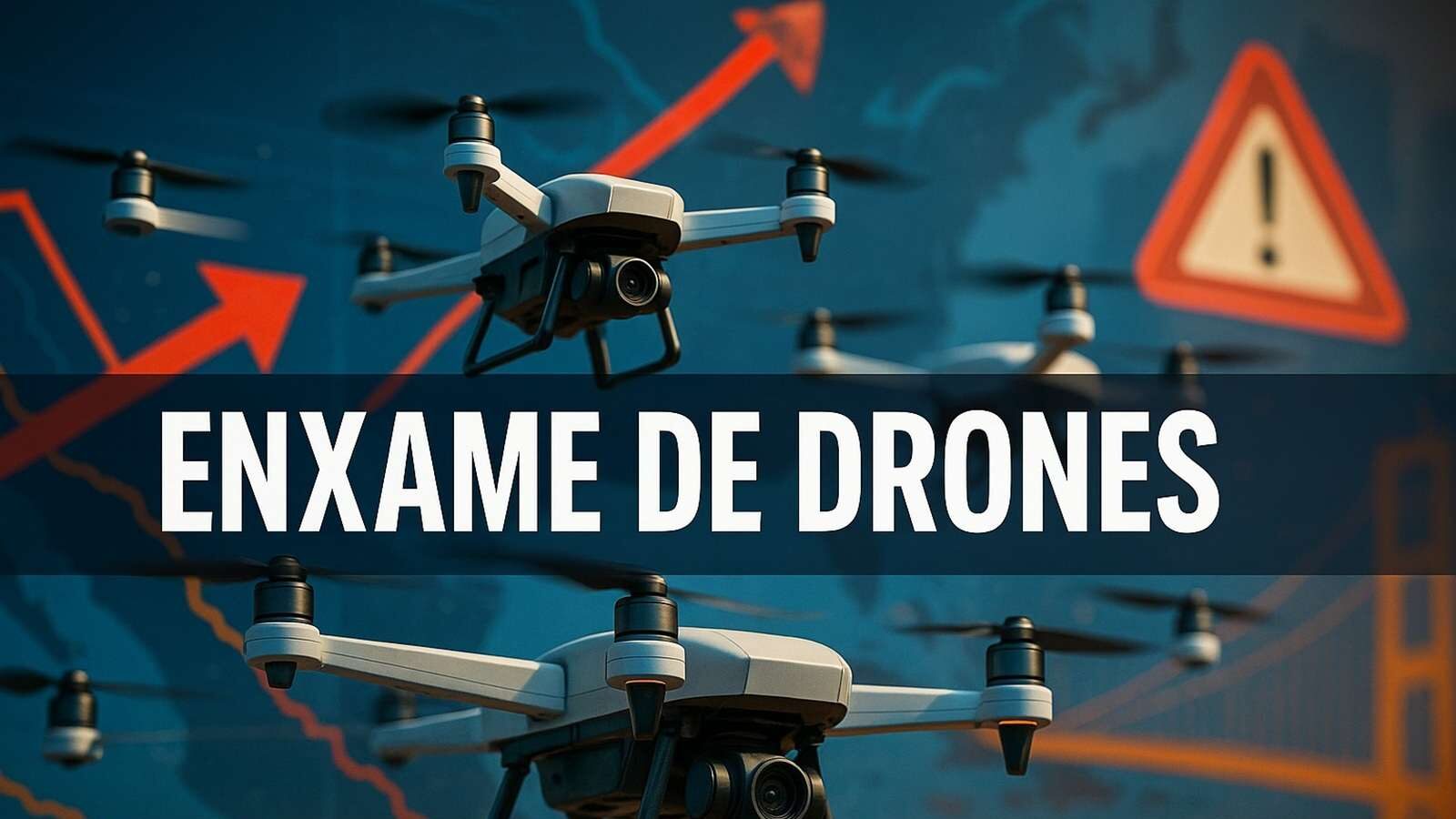

Researchers At Durham University Create The T-STAR System, Which Allows Swarms Of Drones To Fly Faster, With Safety And Unprecedented Coordination In Critical Missions And Complex Environments.
Researchers At Durham University Announced The Development Of A New System For Drones, Called T-STAR. The Acronym Stands For Swarm Trajectory Planning With Optimal Timing. The Goal Is To Allow Groups Of Drones To Fly More Quickly, Safely, And In A Coordinated Manner.
The System Operates Dynamically. It Allows Drones To Share Information In Real-Time And Make Instant Decisions. In This Way, They Can Avoid Obstacles And Maintain High Speed Without The Risk Of Collisions.
The Traditional Problem
Until Now, Swarms Of Drones Faced Limitations. To Avoid Accidents, They Needed To Slow Down In Complex Environments, Such As Urban Areas Or Enclosed Spaces. This Necessity Slowed Down Operations, Resulting In Poor Efficiency In Urgent Situations.
-
Brazilian Engineer Who Grew Up Without Electricity Develops Software, Expands AltoQi to 67,000 Clients, Aiming for $21 Million by Digitizing Brazil’s Construction Industry

-
Spain Launches World’s Largest Floating Dry Dock: 56-Meter Giant Produces Massive Concrete Structures in A Coruña Using Technology Proven in Brazil

-
AI-powered toys that talk, recognize faces, and collect data face scrutiny from Brazilian government over children’s privacy concerns

-
4,000-Year-Old Child’s Skull Unveils Ancient Burial in 7,500-Year-Old Norwegian Rock Shelter, Impressing Archaeologists




This Particularly Complicated Search And Rescue Missions, Disaster Relief, Or Environmental Monitoring. Therefore, The Lack Of Efficiency Prevented Swarms Of Drones From Being Used In Higher-Risk Scenarios. With The Arrival Of T-STAR, This Obstacle Begins To Be Overcome.
How T-STAR Works
The Secret Of The System Lies In Continuous Communication. Drones Exchange Information Among Themselves And Make Collective Decisions, Which Ensures Better Coordination. This Integration Allows Each Unit To Adjust Its Route In Real-Time, Reducing The Chances Of Collision.
In Initial Tests, The Swarms Completed Missions More Quickly Than Before. The Flights Became More Stable, Smooth, And Reliable.
Moreover, Challenging Environments Were Navigated With Greater Precision, Demonstrating That The Technology Has The Potential For Large-Scale Practical Use.
The Lead Researcher, Dr. Junyan Hu, Highlighted The Importance Of This Advancement. According To Him, T-STAR Allows Autonomous Aerial Vehicles To Operate As A Truly Intelligent Swarm, Balancing Speed, Safety, And Teamwork.
Real Applications
The Innovation Opens Up Immediate Uses In Emergencies Such As Earthquakes, Floods, And Wildfires.
The Drones Could Also Deliver Supplies To Isolated Regions. Additionally, Sectors Such As Logistics And Agriculture Have Already Emerged As Candidates For The Use Of This Technology, As They Depend On Quick And Coordinated Operations Over Large Areas.
Other Solutions Around The World
The Technological Race Is Not Limited To Durham University. Earlier This Year, Lockheed Martin And IBM Unveiled Similar Systems, But Focused On War Zones. The Aim Was To Create Swarms Capable Of Evolving In Real-Time And Adapting To The Battlefield.
In Kiev, Ark Robotics Took A Different Route. The Company Created A Unified Interface That Allows An Operator To Control Several Drones Simultaneously.
This Solution Also Seeks To Improve Communication And Increase The Speed Of Missions.
A Glimpse Of The Future
T-STAR Emerges As A Game Changer In The Drone Sector. It Demonstrates That The Combination Of Collective Intelligence And Speed Can Transform Aerial Operations.
With More Harmony In Movements, The Swarms Become A Promising Tool For Rescue, Logistics, Agriculture, And Even Environmental Monitoring. Therefore, The New Technology Offers A Glimpse Into The Future, Where Groups Of Drones Work Together More Intelligently And Safely.