






 Portuguese
  Spanish
 4 min of reading
  0 comments


With An Area Larger Than Belgium And Israel, Porto Velho Concentrates Almost The Entire Population In A Reduced Urban Area, Maintains 14 Districts With Difficult Access, Borders Bolivia And Faces Logistics Challenges Typical Of The Amazon.
Porto Velho, the capital of Rondônia, is the largest capital of Brazil in territorial extension.
According to the Brazilian Institute of Geography and Statistics (IBGE), the municipality has 34,091 km², making it larger than countries like Belgium (30,688 km²) and Israel (22,145 km²).
Despite its size, the effectively urbanized area represents less than 1% of the territory.
-
Survivor of 1966 SS Daniel J. Morrell Shipwreck in Lake Huron Recounts 38-Hour Ordeal in Extreme Cold

-
The Greatest Hoax in World Cup History? The Film That Denied Brazil’s 1958 Victory and Exposed How Fake Evidence Can Seem Convincing on TV
-
Fake South Korean Online Stores Offer Shopping Thrill Without Spending Money or Receiving Products
-
The War of Jenkins’ Ear: How a Severed Ear Sparked One of the 18th Century’s Most Unusual Conflicts


The majority of the municipal surface is composed of forests, rivers, and rural or riverine communities.
The urban nucleus concentrates most of the population and service infrastructure, while the more distant districts have limited access, especially during the rainy season.
Continental Extension And Low Population Density
According to the IBGE, Porto Velho has about 460,000 inhabitants.
The population density is approximately 13 people per square kilometer, reflecting a very dispersed occupation in relation to territorial extension.
For comparison, the city of São Paulo, which is 22 times smaller in area, has a density of over 7,200 inhabitants per square kilometer.
According to urban planning experts, this type of demographic distribution increases the challenge of public management, as services like health, education, and transportation need to serve communities separated by long distances and, in some cases, accessible only by waterways.
The maintenance of rural roads, supply, and emergency service logistics are also affected by this territorial dispersion.
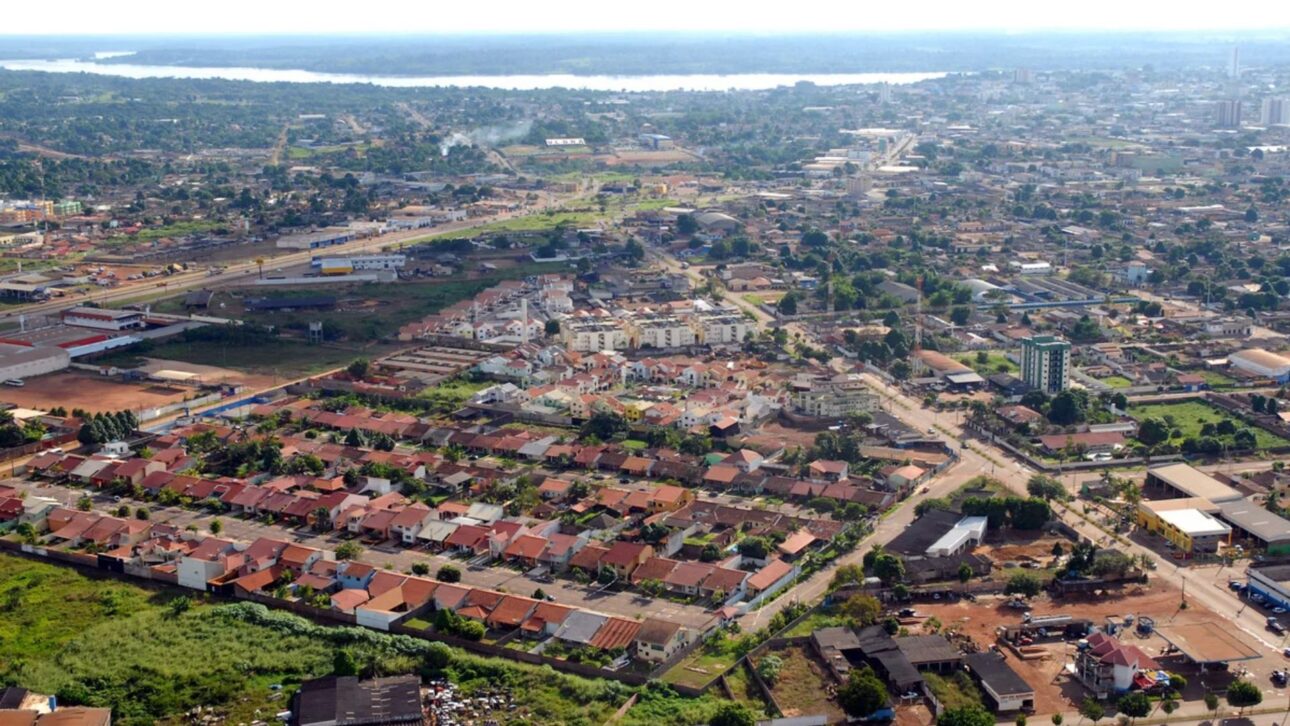
International Border And Isolated Districts
The geographical location of Porto Velho gives it a unique characteristic among Brazilian capitals: it is the only one with an international border.
The municipality borders Bolivia through districts like Fortaleza do Abunã and Extrema, located about 150 kilometers from the seat.
This peculiarity influences regional trade and the circulation of goods, according to data from the Rondônia State Department of Economic Development (Sedec-RO).
The municipality is divided into 14 administrative districts, including Abunã, Calama, Extrema, Nazaré, Nova Califórnia, and São Carlos.
In several of these locations, access occurs only by boats during certain times of the year, according to information from the City Hall of Porto Velho.
The movement of residents and the transportation of supplies depend largely on the rainfall regime and the navigability of the rivers.
Madeira River And Riverine Life
The Madeira River, one of the main rivers in the North region, cuts through the municipal territory and plays a central role in the local economy.
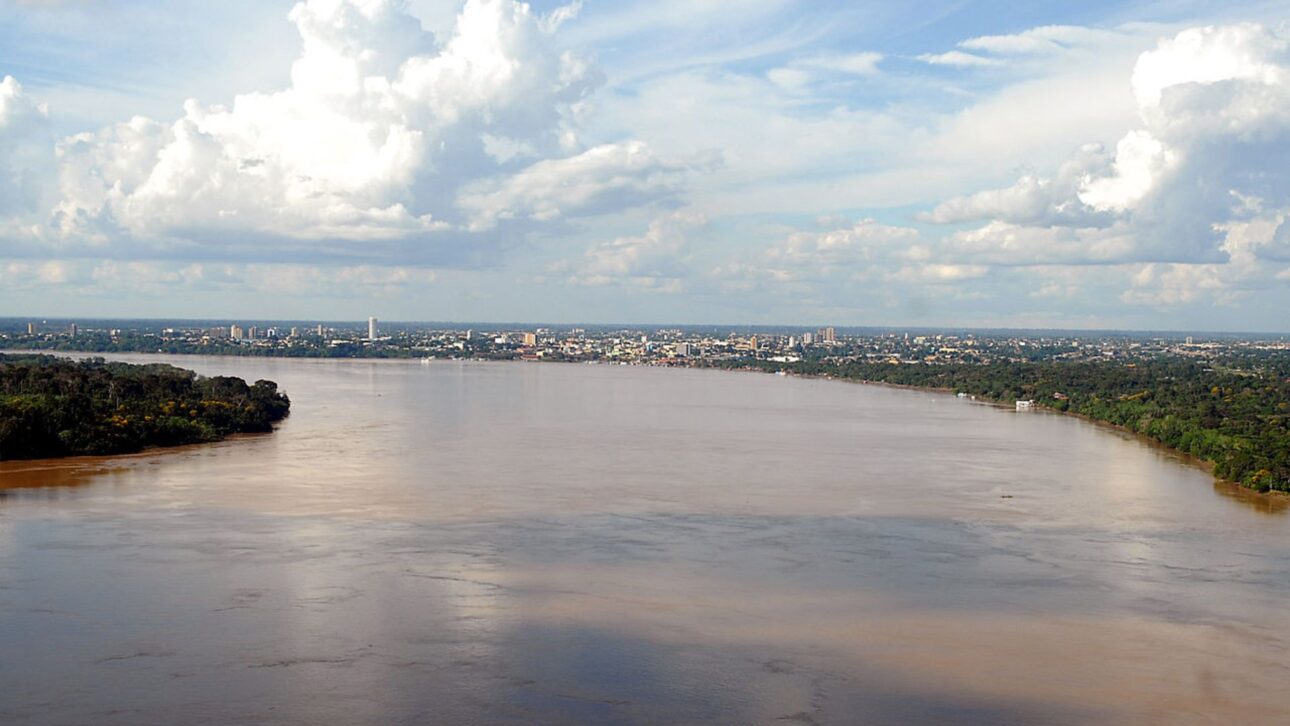
It is used for transporting people, agricultural products, and various cargo, in addition to housing riverine communities that maintain traditional activities, such as fishing and subsistence agriculture.
During the period known regionally as “B-R-Ó BRÓ”, corresponding to the hottest and driest months of the year, high temperatures and low air humidity increase the risk of fires and complicate river transport in some stretches.
According to the National Institute of Meteorology (Inmet), Porto Velho is among the hottest capitals in the country, with averages exceeding 36 °C in September and October.
Environmental Impacts And Oversight Challenges
The large territorial extension also has environmental implications.
Experts in geography and land management point out that the low population density favors the maintenance of large areas of preserved forest, which contributes to the regional ecological balance.
On the other hand, the distances make it difficult to monitor illegal activities, such as deforestation and mining in remote areas.
According to the IBGE, if Porto Velho were a country, it would have enough space to fully accommodate Belgium and part of Israel.
In contrast, Israel concentrates about 9.5 million inhabitants in 22,145 km², which represents a population density approximately 700 times greater than that recorded in Porto Velho.
Large City With An Empty Appearance
The combination of extension, low density, and predominance of natural areas makes much of the territory appear uninhabited in satellite images.
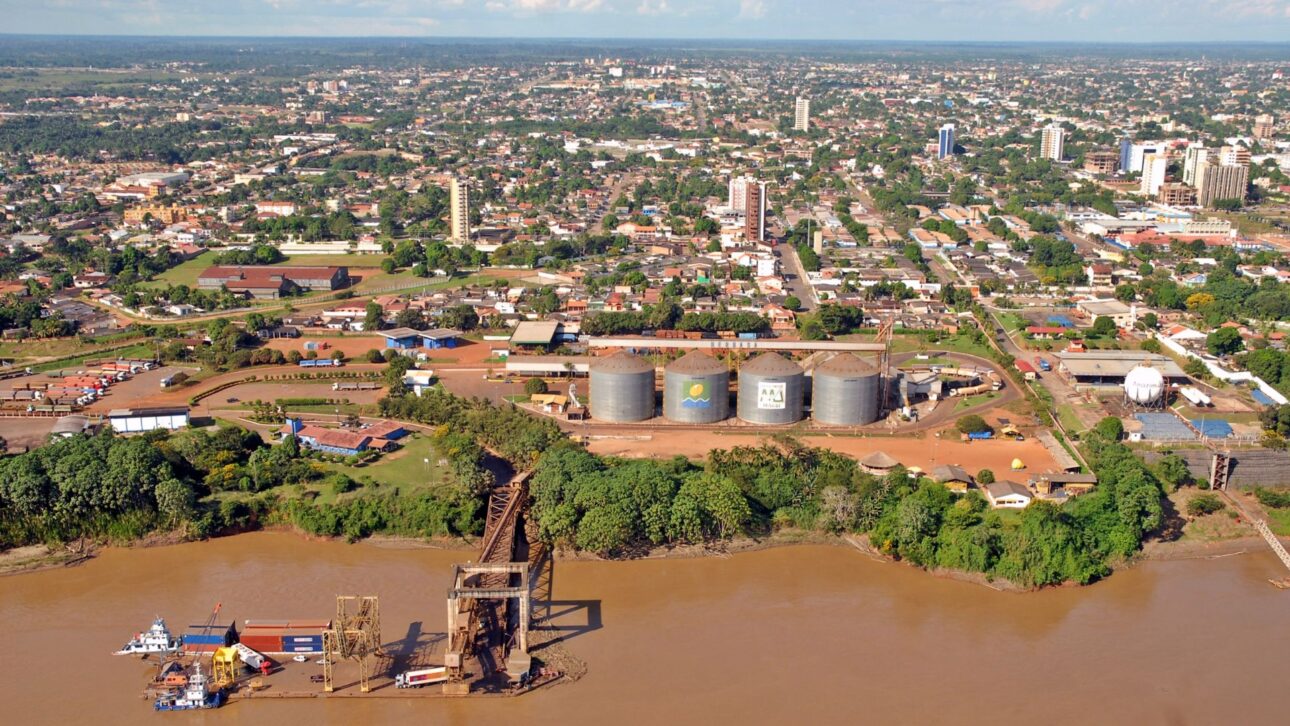
Environmental technicians highlight that, although the population is concentrated in the urban area, the municipality maintains strategic relevance due to its forest reserves, water resources, and border position.
According to the Municipal Planning Department, the main management challenges include increasing connectivity between districts, ensuring regular access to public services, and improving transportation infrastructure.
Pavement and maintenance projects for riverine roads are frequent topics in state and federal investment agendas.
Despite logistical difficulties, Porto Velho remains the main political and economic center of Rondônia, housing state institutions, universities, health services, and regional commerce.
Outside the urban area, the landscapes are formed by rivers, dense forests, and small communities, which explains the contrast between the image of a “large city” and the feeling of isolation in much of the territory.
According to urban planners, this configuration is typical of large Amazonian municipalities, where urban densification occurs in small clusters surrounded by extensive natural areas.
The situation reinforces the importance of public policies focused on mobility and land use planning in the region.





-

-

2 people reacted to this.