





 Portuguese
  English
  Spanish
  3 min of reading
  0 comments


It Was Once Considered The Dirtiest River In Europe, But Today The Emscher Is A Worldwide Example Of Depollution And Environmental Recovery. Understand How Germany Reversed A Scenario Of Degradation With Billion-Dollar Investments And Decades Of Work.
For more than a century, the Emscher was considered the dirtiest river in Europe. Located in the Ruhr region in western Germany, it was known for its unbearable odor and the landscape devastated by sewage and industrial waste.
At the turn of the 19th century, the situation began to worsen with rapid urbanization and the expansion of heavy industry.
The population grew, and diseases such as cholera and typhoid fever spread easily. Contaminated water became a serious threat to public health.
-
Reports about the possible arrest of Diogo Defante in the USA during the 2026 World Cup are making waves on social media and raising questions about what really happened.

-
The 71-year-old Korean pastor who built a box in the wall to save abandoned babies and has already taken in more than 2,000 children without asking for the name of any mother.
-
Mother of four faces financial difficulties in São Paulo, swaps jobs outside the home for sweet and savory pies, and turns the kitchen into a source of income to support the family while studying nursing to change her children’s future.

-
Afghanistan has one of the largest untapped copper reserves in the world, and China wants to control all of it with a billion-dollar deal that could change the fate of Asia’s poorest country.



It was in this context that the Emschergenossenschaft emerged, the first water management association in the country.
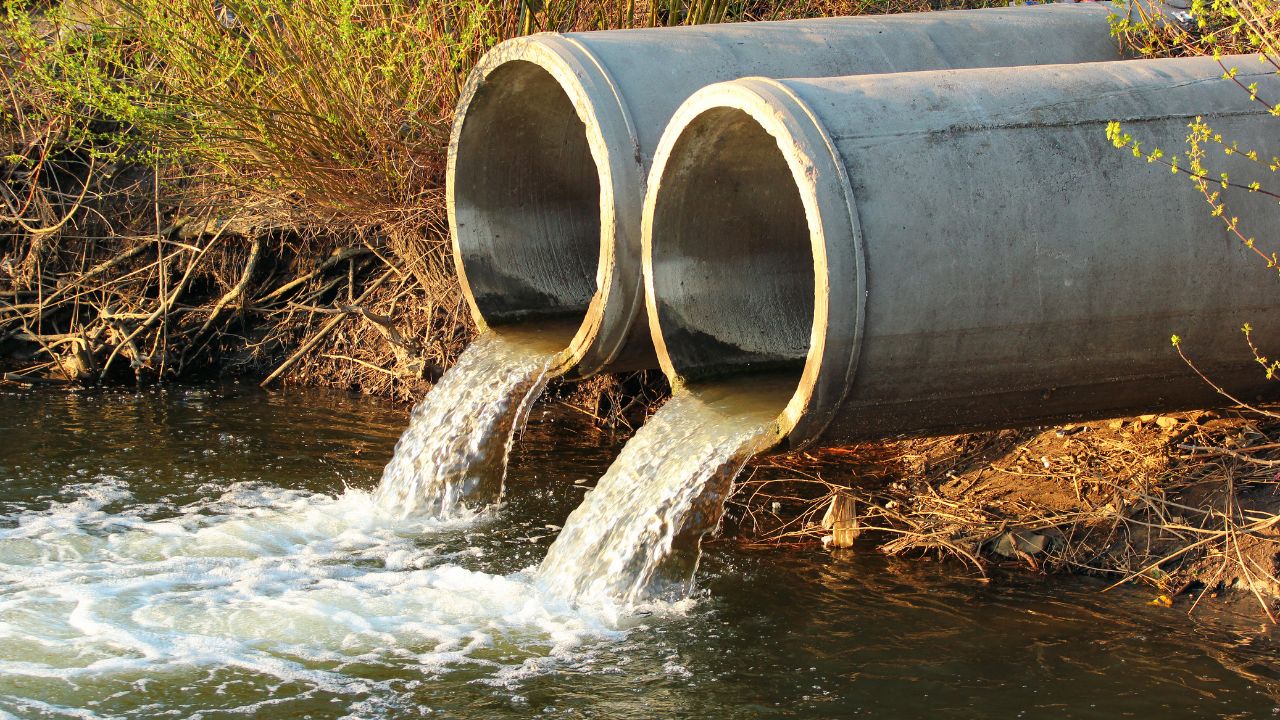
Nevertheless, instead of investing in a structured sewage system, it was decided to dump waste directly into the riverbed. This decision turned the Emscher into an open sewer.
The Decline Of The Coal Industry Paved The Way For Recovery
The situation only began to change with the decline of coal mining in the 1980s. With the collapse of the sector, authorities and environmentalists saw an opportunity to reverse the situation.
The Emschergenossenschaft played a leading role again, this time proposing a complete restructuring.
The plan was ambitious: to build 436 km of underground sewage channels, four large treatment plants, pumping stations, and a central line spanning 51 km.
The cost exceeded 5.5 billion euros, equivalent to more than R$ 35 billion.
Decades Later, The River Becomes An Example Of Environmental Renewal
The results of such effort finally began to appear in recent years. Since 2021, the Emscher is completely free of effluents.
The fauna has returned: fish, shrimp, and even beavers have been seen in the clean waters.
Additionally, more than 130 km of bike paths have been installed along the banks, promoting local tourism and bringing the community closer to nature.
In some stretches, the water is so clear that the riverbed can be seen — an absolute contrast to the prevailing scenario there decades ago.
An Example That Contrasts With The Reality Of Most European Rivers
Despite the success of the Emscher, the overall panorama is still concerning. According to the European Environment Agency, only 37% of surface water bodies in Europe are in what is considered good or high ecological condition. In terms of chemical quality, the percentage is even lower: 29%.
With environmental targets becoming more urgent in light of the climate crisis, the European Union has set a new challenge: to recover 25,000 kilometers of rivers by 2030.
The case of the Emscher shows that even the worst scenarios can be reversed with planning, investment, and persistence.
With information from Olhar Digital.





Be the first to react!