Portuguese
  Spanish


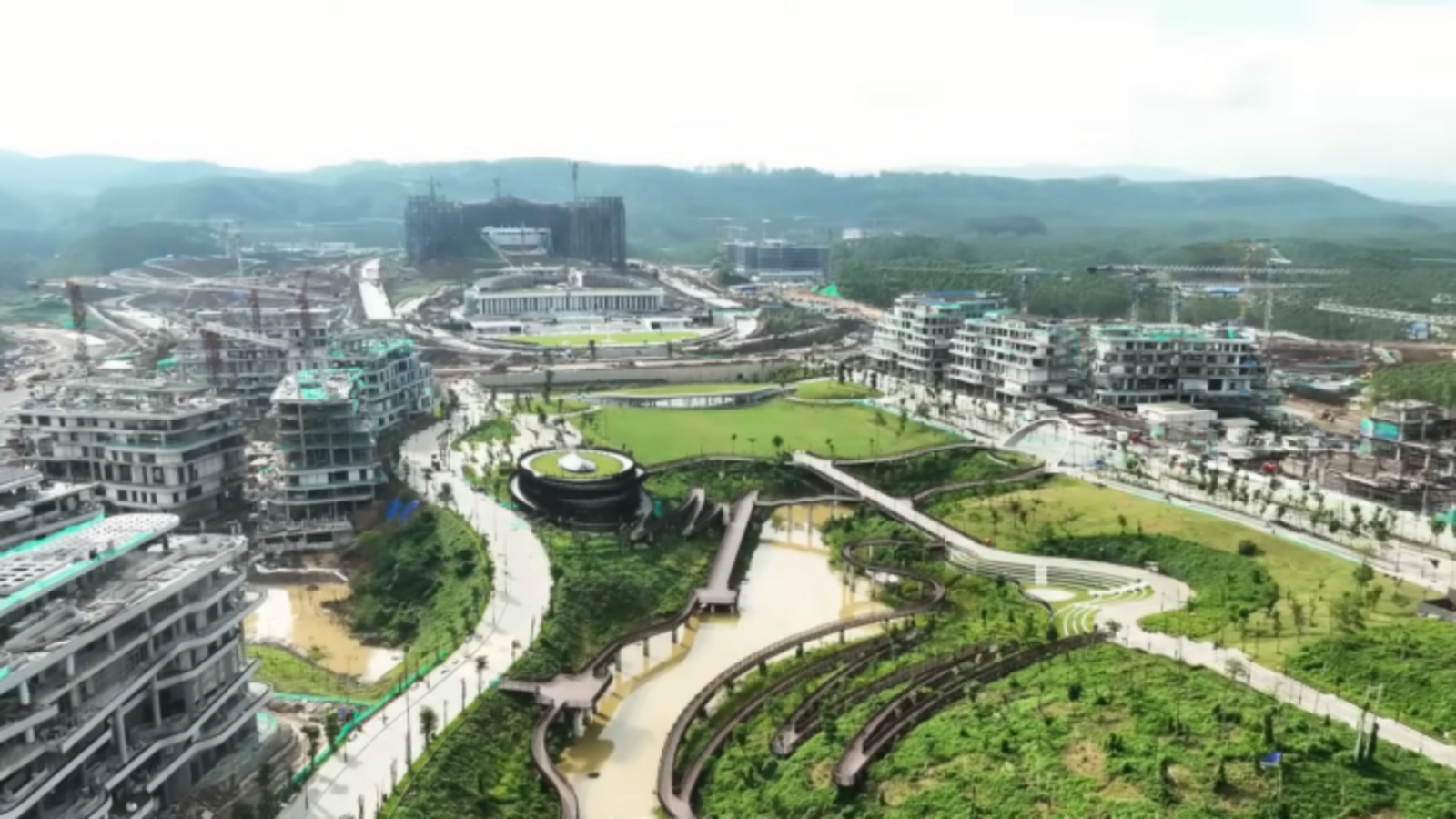


US$ 33 billion project to replace Jakarta with Nusantara advances slowly in Borneo, faces funding cuts, legal doubts, environmental impacts, and concerns about becoming a ghost city before 2030
Budgeted at US$ 33 billion, Nusantara was supposed to replace Jakarta as the capital of Indonesia by 2030, but the project launched in 2019 is advancing slowly in the Borneo jungle, amid funding cuts, legal doubts, and environmental fears.


Planned capital in the jungle
The Indonesian government’s proposal was to build a capital from scratch, far from Jakarta, to alleviate administrative, urban, and environmental problems of the country’s largest city, planned near the geographical center of the archipelago.
Jakarta has a metropolitan area estimated at about 42 million inhabitants. Besides chronic traffic and pressure on public services, the capital faces recurring floods and sinks year after year.
-
Volcanic Soils from Destructive Eruptions Turn into Million-Dollar Crops: Ashes Nourish Grapes in Lanzarote, Bananas in the Canary Islands, Blood Oranges on Mount Etna, and Cacti in Mexico, Showcasing How Lava-Formed Lands Sustain Rare Harvests in Seemingly Barren Regions

-
In the Caucasus Mountains, a Community Preserves a Language So Rare Few Outsiders Can Understand It

-
Slovakia’s Ice Cave Holds Over 110,000 m³ of Frozen Wonders, Boasts Walls Up to 27 Meters Thick, and Was Among the First Electrified Caves Globally

-
Street Cleaner Accidentally Receives $200,000 Transfer, Returns Unexpected Fortune to Rightful Owner
According to the plan announced at the end of the last decade, the seat of power would be transferred to Nusantara, an area in Borneo where only about 10,000 people live. The original deadline foresaw completion in about a decade.
With only a few years left until 2030, there is growing concern that the planned city will not reach the necessary pace and will end up associated with the image of a ghost city.
Construction began after the announcement
The project was launched in 2019 by then-President Joko Widodo, with the promise of creating a planned capital. The cornerstone was laid in the same year, but construction only began in 2022.
In the first two years, progress was consistent. By 2024, important government buildings, commercial buildings, banks, parks, and an airport had already been built in the chosen area.
The scenario changed after Prabowo Subianto took office in October 2024. The new president determined that Nusantara would be transformed into the country’s political capital in 2028, not the full capital envisioned at the beginning.
The difference created uncertainty because the category of political capital does not exist in Indonesian legislation. Since the initial proposal envisaged a complete transfer, institutional viability began to be questioned.
Lower funding and private withdrawal
The doubts have hit the budget. The annual funding, previously in the billions of dollars, has been reduced to just $400 million. The private sector has also pulled back on contributions.
International organizations have started to show environmental concern. The region of Borneo chosen to host Nusantara was practically untouched before the construction and is home to diverse fauna and flora, including endangered species.
In the last two years, the construction has deforested more than 2,000 hectares of mangroves. It has also affected the Balik people, with the destruction of plantations, religious monuments, and loss of access to natural resources.
The government claims to be in tune with the local community, which still wants Nusantara to succeed. It also maintains that the construction will not cause significant environmental impacts.
Supporters of the project say that 75% of the 1,000 hectares of the urban surroundings will be preserved. In the official discourse, the promise to complete the capital remains upheld.
Promises for 2028
The government confirms that the Legislative and Judiciary buildings will be ready next year. It states that the president will move to the city in 2028.
Prabowo Subianto officially visited Nusantara for the first time in January 2026. The visit was presented as a reaffirmation of the commitment to the project inherited from Joko Widodo.
The outcome is still focused on 2028. That year should show whether the city will assume a real role in the government or remain surrounded by doubts about timeline, function, and funding.
Jakarta sinks and remains overcrowded
In the Indonesian case, the idea was to reduce Jakarta’s problems. The city has grown intensely, with disorganized occupation, constant traffic, and pressure on public services.
The floods are worsened by coastal areas below sea level. Extreme rains and climate change increase the recurrence of these episodes.
The sinking is related to the lack of sanitation. Millions resort to artesian wells, which accelerates the withdrawal of water from aquifers and reduces the ground’s support.
The problem involves rapid urbanization, excessive extraction of groundwater, natural geological factors, and poorly consolidated sediments. About 60% of the population depends on artesian wells.
Even if completed, Nusantara may not relieve Jakarta, as the move is not expected to significantly reduce its population. The metropolitan area has 40 million inhabitants, while the new capital was planned for just over 1 million.
With information from Seu Dinheiro.