Portuguese
  Spanish


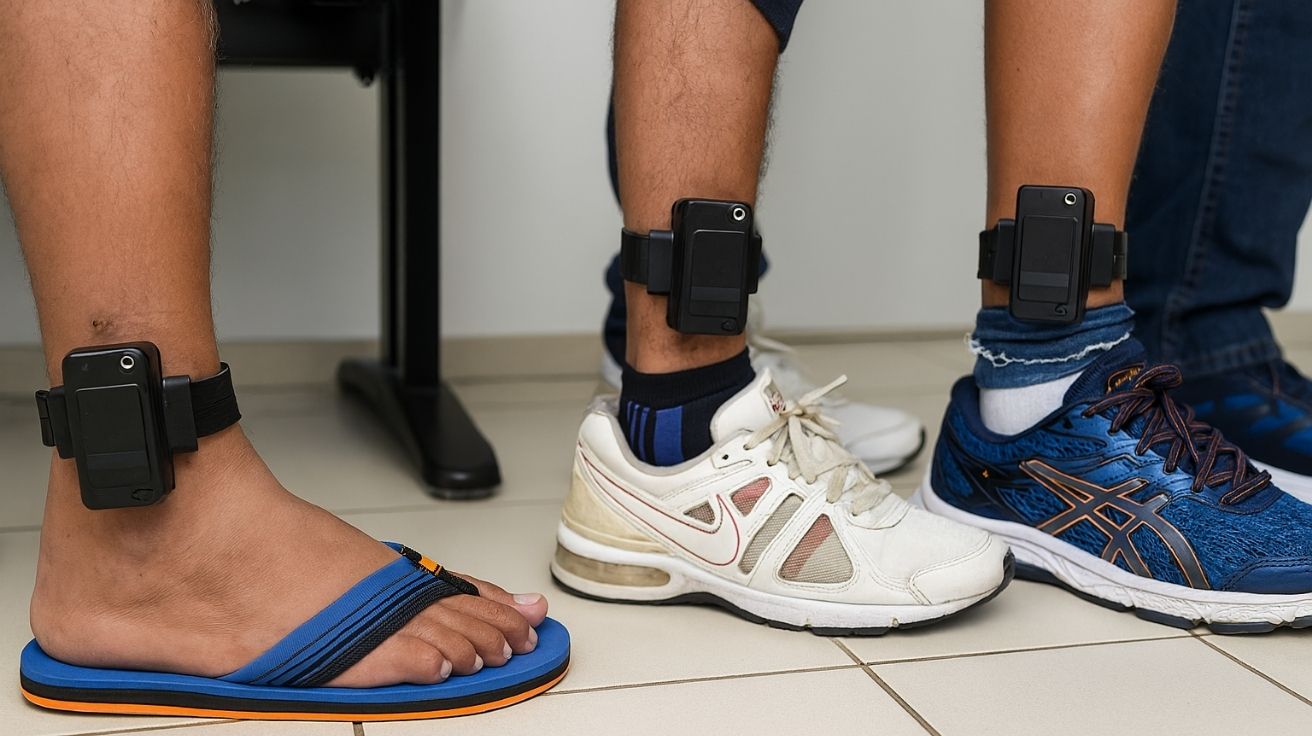

GPS And Radiofrequency Tracking Device Monitors Schedules, Movements, And Behavior Of Investigated And Sentenced Individuals In Alternative Measures To Imprisonment.
The electronic ankle bracelet is a remote monitoring device used in Brazil to oversee investigated and sentenced individuals who are under precautionary measures or serving alternative sentences outside the prison system. The device, which weighs about 200 grams, is attached to the user’s ankle and sends real-time data to monitoring centers via GPS or radiofrequency, allowing authorities to track location and any potential violations.
The use of the ankle bracelet is authorized by judges in different situations: house arrest, semi-open regime, provisional release, and protective measures, such as those applied in cases of domestic violence. The main goal is to ensure that the monitored individual complies with judicial restrictions without needing to be incarcerated, reducing prison overcrowding and facilitating social reintegration.
In addition to tracking movements, the ankle bracelet also emits automatic alerts in case of attempts to remove it, tampering, battery discharge, or proximity to prohibited locations and individuals, allowing for immediate action by authorities.
-
Volcanic Soils from Destructive Eruptions Turn into Million-Dollar Crops: Ashes Nourish Grapes in Lanzarote, Bananas in the Canary Islands, Blood Oranges on Mount Etna, and Cacti in Mexico, Showcasing How Lava-Formed Lands Sustain Rare Harvests in Seemingly Barren Regions

-
In the Caucasus Mountains, a Community Preserves a Language So Rare Few Outsiders Can Understand It

-
Slovakia’s Ice Cave Holds Over 110,000 m³ of Frozen Wonders, Boasts Walls Up to 27 Meters Thick, and Was Among the First Electrified Caves Globally

-
Street Cleaner Accidentally Receives $200,000 Transfer, Returns Unexpected Fortune to Rightful Owner




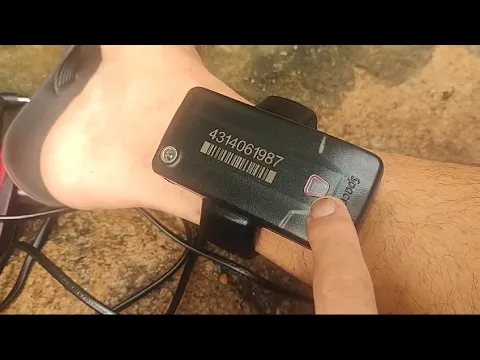

Usage Rules And Types Of Electronic Ankle Bracelets
There are different models of electronic ankle bracelets, such as those that operate via GPS, through radiofrequency connected to a fixed base, and those with sensors to detect violations. In specific cases, there are devices capable of monitoring alcohol or drug consumption. The choice of model depends on the type of judicial measure imposed and the risk level of the monitored individual.
The use of the device comes with strict rules determined by the judge. Among the main obligations are remaining at home during defined hours, not visiting certain locations, regularly charging the device, and maintaining contact with monitoring. Any violation can result in sanctions ranging from fines to revocation of the measure and return to closed regime.
The rules vary depending on the case but typically include geographic restrictions, circulation hours, such as the requirement to stay at home between 10 PM and 6 AM, and immediate communication with monitoring centers in case of technical problems with the device.
Who Can Use An Electronic Ankle Bracelet And In Which Crimes It Applies
The electronic ankle bracelet is mainly applied to defendants and those convicted of non-violent crimes or serious threats, to individuals under provisional release, and to aggressors under protective measures. It is also used in economic and environmental crimes and in cases where there is a need to reduce prison overcrowding.
Individuals in semi-open regime or house arrest can receive judicial authorization to work or study, provided they comply with the authorized hours and routes. In cases of domestic violence, the device is essential to ensure that the aggressor maintains distance from the victim, emitting immediate alerts if there is unauthorized proximity.
According to data and guidelines gathered on institutional and legal portals, the use of the ankle bracelet is regulated by the Penal Execution Law and the Code of Criminal Procedure, with judicial decisions personalized according to the severity of the crime, flight risk, and recidivism.