Portuguese
  Spanish


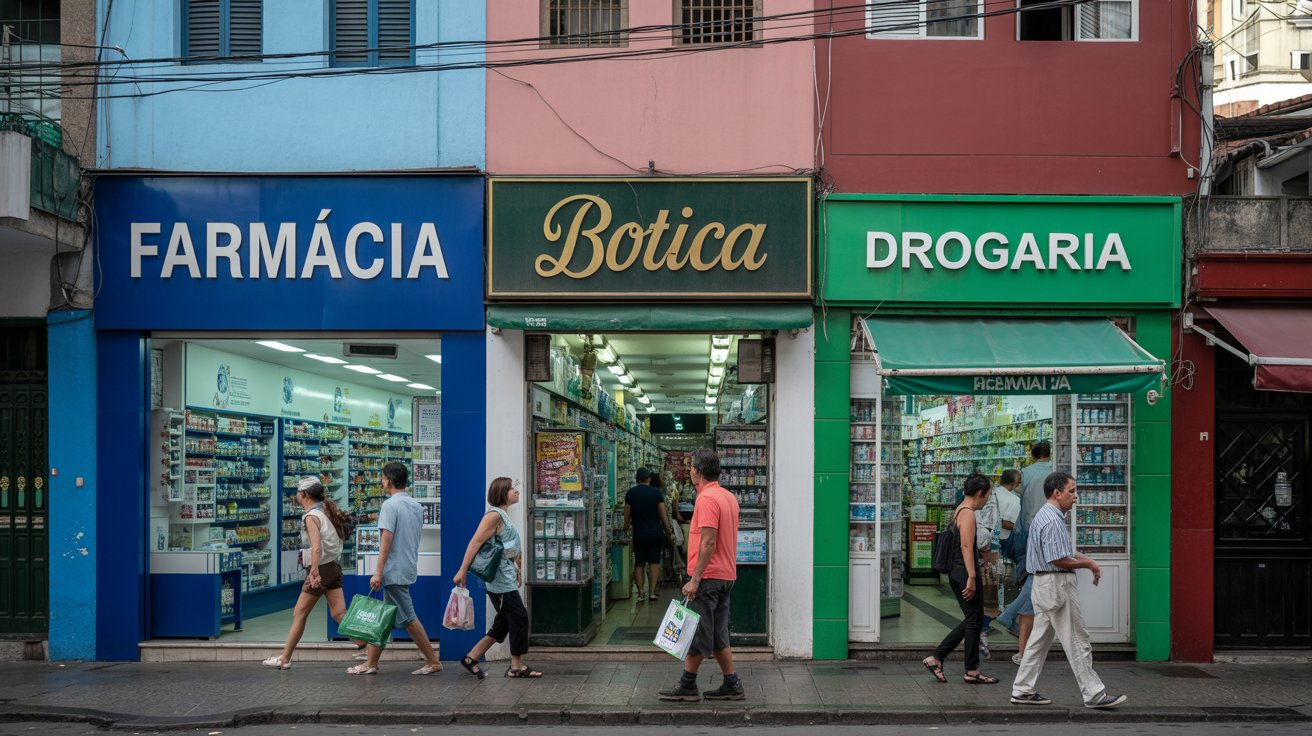

In 2024, Brazil registered the opening of 22 new pharmacies per day, surpassing the mark of 90 thousand establishments in the country and reaching a record revenue of R$ 220.9 billion, according to data from IQVIA. The accelerated growth reveals a deep transformation in pharmaceutical retail, driven by factors such as aging population, digitization of services, and expansion of store portfolios.
The aging of the Brazilian population is one of the main drivers of growth in the pharmaceutical sector. According to the 2023 Census, the country already has more than 32 million people aged 60 or over, and this number is expected to double by 2050. As people age, the need for continuous medication increases, strengthening the presence of pharmacies in neighborhoods and urban centers.
Moreover, mental health has begun to play a central role in the expansion of sales. Between January and May 2024, sales of mood stabilizers and antidepressants increased by 88% compared to the same period in 2023, according to a survey by the Federal Pharmacy Council with consultancy IQVIA. The ease of access to telemedicine and digital prescriptions has also contributed to this advancement.
Another factor contributing to the increase in consumption is self-medication. With the new model of self-service pharmacies, accessible shelves, and a variety of products available, consumers find it easier to acquire medications without prescriptions and preventive health items.
-
Forgotten Map Leads Diver to Shipwreck with Gold, Rare Jewels, and Secrets Hidden for Nearly 350 Years

-
Furong: The 2,000-Year-Old Chinese City Built on a 60-Meter Waterfall Becomes a Global Tourist Phenomenon

-
YouTube Inventor Dubbed “Real-Life Tony Stark” Builds Robotic Legs for Father’s Day, Creating a Wheelchair That Conquers Stairs and Rough Terrain
-
Brazilian Scrap Dealer Processes 3,000 Tons of Ferrous Scrap Monthly, Paying $0.09 to $0.70 per Pound, Reveals Why a Hidden Cylinder Costs 1,500 kg Discount





Expansion of Portfolio and Services Attracts New Audiences
Pharmacies have ceased to be merely places for purchasing medicines. Today, they offer hygiene products, cosmetics, food, and non-alcoholic beverages, as well as services such as vaccinations and rapid tests, thanks to regulations that transformed these establishments into health assistance units starting in 2014.
Federal law 13,021/2014 allowed pharmacies to provide basic care and procedures, such as vaccination and pharmaceutical follow-up. This change strengthened the presence of pharmacies in areas where health posts are scarce or difficult to access, making them strategic points of care for the population.
With technological advancements, networks such as Drogasil, Pague Menos, and Drogaria São Paulo are heavily investing in e-commerce, delivery, and digital marketing, further boosting sales and fostering customer loyalty through data and personalized offers.
Small Pharmacies Face Predatory Competition
Although the sector is expanding, the concentration in the hands of large networks is increasingly evident. In 2024, Abrafarma, which represents the largest companies in the field, increased its market share to 47%, with a growth of 16% compared to the previous year. In contrast, independent pharmacies saw their share drop to 17%.
Of the 7,938 pharmacies that closed in 2024, 87.4% were small businesses. The explanation lies in predatory competition: large networks establish themselves next to local pharmacies, offering better prices and conditions, forcing the small ones to shut down.
According to experts, these networks have expansion teams that map the best commercial locations and establish partnerships with real estate investors. The pharmacy only enters the operation without needing to invest in construction, reducing risks and ensuring long-term contracts.
Associativism Emerges as an Alternative for Small Pharmacies
In the face of unequal competition, the associative model has gained strength among independent pharmacies. In 2024, there was a 13.7% increase in the number of pharmacies associated with Febrafar, which now represents 16.5% of the national market, uniting around 17,000 establishments.
These associations offer advantages such as better negotiation power with suppliers, collective marketing strategies, and access to shared digital platforms, which helps small pharmacies remain competitive in the market.
Still, challenges persist. High operational costs, inflated rents, and difficulty in investing in technology are common barriers faced by small entrepreneurs in the sector.
Regulatory Risks and the Future of Pharmaceutical Retail
A potential change in regulation could significantly alter the market. The government is considering allowing over-the-counter medications (OTCs) to be sold again in supermarkets, which would directly impact sales in traditional pharmacies.
This measure has been debated previously but faced resistance from entities in the pharmaceutical sector. Now, with new momentum, the proposal reignites a dispute between pharmacies and supermarkets for control of health retail in the country.


According to the channel Curioso Mercado, which investigated the backstage of pharmaceutical expansion, Brazil continues to go against countries like China and the United States. While there the physical model loses ground to the digital, here the number of physical stores continues to grow rapidly.
With so many transformations in the pharmaceutical sector and the advancement of digitalization, what is your preference when buying medications? Do you usually go to the physical pharmacy or do you prefer to order through delivery apps and online platforms? Share with us in the comments!